
Contents
- Signs It’s Time for Assisted Living
- Key Takeaways | When to Consider Assisted Living
- Changes in Memory, Organization, and Daily Judgment
- Weight Loss, Nutrition Problems, and Kitchen Red Flags
- Medication Management and Health Oversight
- Mobility Challenges, Falls, and Driving Concerns
- Hygiene, Home Maintenance, and Environmental Clues
- Emotional Changes, Isolation, and Behavioral Shifts
- Next Steps When the Signs Are Adding Up
- Sources & Additional Resources
- More Assisted Living Resources
- Tips for Selling Your Home to Pay for Assisted Living
- Signs It’s Time for Assisted Living, How to Know When Extra Support Is Needed
- Downsizing to Prepare for a Move to Assisted Living
- Discussing Assisted Living with a Reluctant Parent
- Does Assisted Living Provide Medical Care? Understanding Living Options and Care in Assisted Living Communities
- What Amenities Are Offered in Assisted Living? Services, Benefits, and Features for Residents
- What Is the Difference Between Assisted Living and Independent Living? Understanding the Options
- Assisted Living Move-In Checklist (Free PDF Download and Print)
- Assisted Living Facility Tour Checklist – Free PDF Download & Printable Guide
- Assisted Living vs. Senior Living - How Are They Different?
- What is Assisted Living and How Does it Work?
- What Are the Benefits of Assisted Living? 24-Hour Support, Socialization, Nutritious Meals and Peace of Mind
- Cost of Assisted Living in the Greater Los Angeles Area
- When’s the Best Age to Move to a Board and Care Community?
- Using Life Insurance to Pay for Assisted Living

Signs It’s Time for Assisted Living
How to Know When Extra Support Is Needed
Key Takeaways | When to Consider Assisted Living
- Changes in memory, nutrition, and medication routines often signal increased risk.
- Falls, safety incidents, and driving concerns should never be ignored.
- Isolation and personality changes can indicate emotional or cognitive decline.
- Assisted living provides daily support while preserving dignity and independence.
- Early planning creates safer, smoother transitions for seniors and families.
Worrying about an aging parent or loved one who lives alone is something many families quietly carry for months or even years. You may sense that something is off but feel unsure whether your concerns justify a major conversation about assisted living. Are the changes you are seeing normal aging, or are they warning signs that additional support is needed?
This guide walks through the most common signs it may be time for assisted living, explains why they matter, and offers practical next steps for families. It is designed to help you approach this decision with clarity, compassion, and confidence.
If you are exploring care options in Southern California, Raya’s Paradise supports families with personalized assisted living services, including assisted living in Orange County and communities throughout Los Angeles.

Changes in Memory, Organization, and Daily Judgment
Occasional forgetfulness is common with aging, but consistent difficulty managing everyday responsibilities is often an early sign that independent living may no longer be safe.
Warning signs include missed medical appointments, unpaid bills, forgetting to eat, or confusion around daily schedules. You may also notice unopened mail piling up or utilities being shut off unexpectedly. These patterns suggest that executive functioning and organization are becoming harder to manage alone.
If you are unsure how these changes differ from normal aging, the guide what assisted living is and how it works explains how communities support seniors who need structure without full-time medical care.

Weight Loss, Nutrition Problems, and Kitchen Red Flags
Unintentional weight loss or gain can indicate difficulty shopping for groceries, preparing meals, or remembering to eat. Opening a refrigerator that is either empty or full of expired food is often a strong signal that daily nutrition is being neglected.
Cooking safely may also become an issue. Burned pots, small kitchen fires, or confusion around appliances raise serious safety concerns. Assisted living communities address these challenges by providing balanced meals, monitored nutrition, and safe dining environments, while still respecting personal preferences.
Families comparing options may find it helpful to review the benefits of assisted living compared to in-home care, especially when nutrition and safety are ongoing concerns.

Medication Management and Health Oversight
Medication errors are one of the most overlooked risks for seniors living alone. If your loved one cannot explain what their medications are for, misses doses, doubles doses, or mixes prescriptions incorrectly, their health may be at serious risk.
Assisted living communities provide structured medication support and monitoring as part of daily care. This reduces hospitalizations and helps families feel confident that health routines are being followed consistently.
If cost concerns are part of your decision-making process, this guide to assisted living costs in Los Angeles and Orange County offers realistic planning insight.

Mobility Challenges, Falls, and Driving Concerns
Falls are one of the clearest indicators that independent living may no longer be appropriate. Bruises, unexplained injuries, or stories that do not add up can signal balance issues or fear of admitting a fall.
Driving concerns are equally serious. Scratches on the car, recent traffic incidents, or growing anxiety behind the wheel suggest declining reaction time or judgment. If emergencies arise, families should also ask whether their loved one can respond appropriately or call for help.
Resources like how seniors can reduce fall risk can help families understand when preventive steps are no longer enough on their own.
Hygiene, Home Maintenance, and Environmental Clues
Neglected personal hygiene is often one of the most emotionally difficult signs for families to acknowledge. Wearing the same clothes repeatedly, strong body odor, or noticeable urine smells may indicate difficulty bathing, laundering, or recognizing hygiene needs.
Home conditions also tell an important story. Unwashed dishes, clutter, unkept yards, or broken fixtures may show that physical stamina or motivation has declined. Assisted living environments are designed to remove these burdens while allowing seniors to maintain privacy and dignity.
Families preparing for this transition may benefit from guidance on making a smooth move to assisted living.
Emotional Changes, Isolation, and Behavioral Shifts
Social withdrawal, increased fearfulness, or unusual suspicion can point to depression, anxiety, or early cognitive decline. Seniors who isolate themselves often experience faster physical and emotional decline, especially when living alone.
Assisted living communities counter isolation through daily engagement, structured activities, and consistent social interaction. For many seniors, this renewed sense of community improves mood, confidence, and overall quality of life.
If caregiver stress is building as these issues emerge, recognizing caregiver burnout is an important step in protecting your own well-being.
Next Steps When the Signs Are Adding Up
Talking with a parent about assisted living is never easy. Many seniors value independence deeply and may not recognize the seriousness of the risks they face. Approaching the conversation with empathy, specific observations, and reassurance is key.
Once concerns are identified, families should consider a geriatric assessment, clarify care priorities, and research communities that align with their loved one’s needs. Touring smaller residential settings often helps seniors feel more comfortable than large, institutional environments.
At Raya’s Paradise, families can explore our assisted living and memory care communities or contact our team for guidance on next steps. We also offer short-term options like respite care for families who need immediate support while planning longer-term solutions.
Our Orange County Senior Assisted Living with Memory Care Community
Our Los Angeles Assisted Living Residences
Sources & Additional Resources
Disclaimer:
This article is for educational and informational purposes only and does not constitute medical, legal, or financial advice. Assisted living needs and health conditions vary by individual. Families are encouraged to consult qualified healthcare providers, elder law attorneys, or licensed professionals when making care decisions.
 https://rayasparadise.com/wp-content/uploads/2026/01/Tips-for-Selling-Your-Home-to-Pay-for-Assisted-Living.jpg
1702
2555
Moti Gamburd
https://rayasparadise.com//wp-content/uploads/2019/07/RP-LOGO-Horizontal-Name-Only-websitetrans.png
Moti Gamburd2026-01-22 04:00:552026-01-22 18:04:19Tips for Selling Your Home to Pay for Assisted Living
https://rayasparadise.com/wp-content/uploads/2026/01/Tips-for-Selling-Your-Home-to-Pay-for-Assisted-Living.jpg
1702
2555
Moti Gamburd
https://rayasparadise.com//wp-content/uploads/2019/07/RP-LOGO-Horizontal-Name-Only-websitetrans.png
Moti Gamburd2026-01-22 04:00:552026-01-22 18:04:19Tips for Selling Your Home to Pay for Assisted Living https://rayasparadise.com/wp-content/uploads/2012/10/Signs-Its-Time-for-Assisted-Living.jpg
1697
2555
Raya's Paradise
https://rayasparadise.com//wp-content/uploads/2019/07/RP-LOGO-Horizontal-Name-Only-websitetrans.png
Raya's Paradise2026-01-19 03:09:442026-01-20 17:17:15Signs It’s Time for Assisted Living, How to Know When Extra Support Is Needed
https://rayasparadise.com/wp-content/uploads/2012/10/Signs-Its-Time-for-Assisted-Living.jpg
1697
2555
Raya's Paradise
https://rayasparadise.com//wp-content/uploads/2019/07/RP-LOGO-Horizontal-Name-Only-websitetrans.png
Raya's Paradise2026-01-19 03:09:442026-01-20 17:17:15Signs It’s Time for Assisted Living, How to Know When Extra Support Is Needed https://rayasparadise.com/wp-content/uploads/2012/12/Downsizing-to-Prepare-for-Assisted-Living.jpeg
1704
2558
Moti Gamburd
https://rayasparadise.com//wp-content/uploads/2019/07/RP-LOGO-Horizontal-Name-Only-websitetrans.png
Moti Gamburd2026-01-13 04:02:202026-01-15 22:28:54Downsizing to Prepare for a Move to Assisted Living
https://rayasparadise.com/wp-content/uploads/2012/12/Downsizing-to-Prepare-for-Assisted-Living.jpeg
1704
2558
Moti Gamburd
https://rayasparadise.com//wp-content/uploads/2019/07/RP-LOGO-Horizontal-Name-Only-websitetrans.png
Moti Gamburd2026-01-13 04:02:202026-01-15 22:28:54Downsizing to Prepare for a Move to Assisted Living https://rayasparadise.com/wp-content/uploads/2012/11/How-to-Discuss-Assisted-Living-With-a-Reluctant-Parent.jpeg
1704
2553
Moti Gamburd
https://rayasparadise.com//wp-content/uploads/2019/07/RP-LOGO-Horizontal-Name-Only-websitetrans.png
Moti Gamburd2026-01-12 02:33:232026-01-15 23:41:56Discussing Assisted Living with a Reluctant Parent
https://rayasparadise.com/wp-content/uploads/2012/11/How-to-Discuss-Assisted-Living-With-a-Reluctant-Parent.jpeg
1704
2553
Moti Gamburd
https://rayasparadise.com//wp-content/uploads/2019/07/RP-LOGO-Horizontal-Name-Only-websitetrans.png
Moti Gamburd2026-01-12 02:33:232026-01-15 23:41:56Discussing Assisted Living with a Reluctant Parent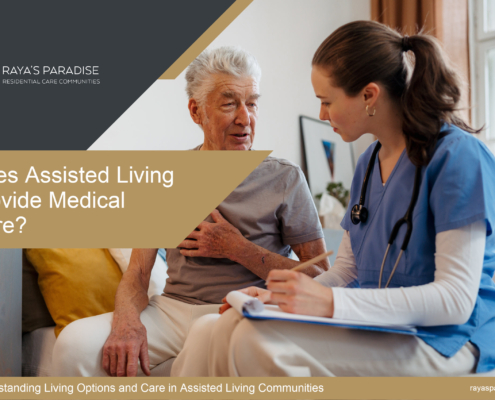 https://rayasparadise.com/wp-content/uploads/2025/08/Does-Assisted-Living-Provide-Medical-Care.jpg
1704
2548
Raya's Paradise
https://rayasparadise.com//wp-content/uploads/2019/07/RP-LOGO-Horizontal-Name-Only-websitetrans.png
Raya's Paradise2025-08-27 20:32:462026-01-14 19:35:28Does Assisted Living Provide Medical Care? Understanding Living Options and Care in Assisted Living Communities
https://rayasparadise.com/wp-content/uploads/2025/08/Does-Assisted-Living-Provide-Medical-Care.jpg
1704
2548
Raya's Paradise
https://rayasparadise.com//wp-content/uploads/2019/07/RP-LOGO-Horizontal-Name-Only-websitetrans.png
Raya's Paradise2025-08-27 20:32:462026-01-14 19:35:28Does Assisted Living Provide Medical Care? Understanding Living Options and Care in Assisted Living Communities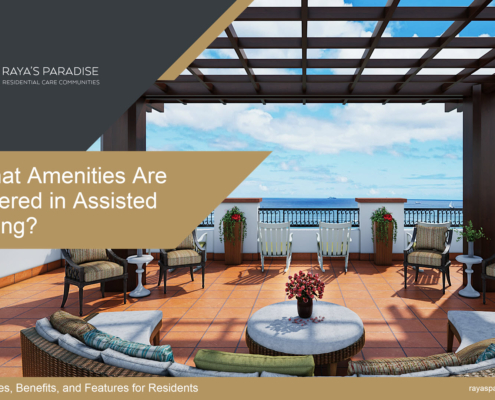 https://rayasparadise.com/wp-content/uploads/2025/08/What-Amenities-Are-Offered-In-Assisted-Living.jpg
1080
1621
Raya's Paradise
https://rayasparadise.com//wp-content/uploads/2019/07/RP-LOGO-Horizontal-Name-Only-websitetrans.png
Raya's Paradise2025-08-27 16:58:562025-10-22 19:10:12What Amenities Are Offered in Assisted Living? Services, Benefits, and Features for Residents
https://rayasparadise.com/wp-content/uploads/2025/08/What-Amenities-Are-Offered-In-Assisted-Living.jpg
1080
1621
Raya's Paradise
https://rayasparadise.com//wp-content/uploads/2019/07/RP-LOGO-Horizontal-Name-Only-websitetrans.png
Raya's Paradise2025-08-27 16:58:562025-10-22 19:10:12What Amenities Are Offered in Assisted Living? Services, Benefits, and Features for Residents https://rayasparadise.com/wp-content/uploads/2025/08/What-Is-the-Difference-Between-Assisted-Living-and-Independent-Living.jpg
1695
2551
Raya's Paradise
https://rayasparadise.com//wp-content/uploads/2019/07/RP-LOGO-Horizontal-Name-Only-websitetrans.png
Raya's Paradise2025-08-27 15:32:152026-01-14 19:36:26What Is the Difference Between Assisted Living and Independent Living? Understanding the Options
https://rayasparadise.com/wp-content/uploads/2025/08/What-Is-the-Difference-Between-Assisted-Living-and-Independent-Living.jpg
1695
2551
Raya's Paradise
https://rayasparadise.com//wp-content/uploads/2019/07/RP-LOGO-Horizontal-Name-Only-websitetrans.png
Raya's Paradise2025-08-27 15:32:152026-01-14 19:36:26What Is the Difference Between Assisted Living and Independent Living? Understanding the Options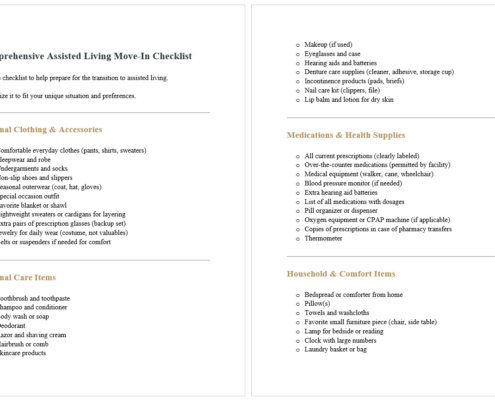 https://rayasparadise.com/wp-content/uploads/2025/07/Assisted-Living-Move-In-Checklist-PDF-Word.jpg
865
1337
Raya's Paradise
https://rayasparadise.com//wp-content/uploads/2019/07/RP-LOGO-Horizontal-Name-Only-websitetrans.png
Raya's Paradise2025-07-09 20:11:342025-12-09 02:12:30Assisted Living Move-In Checklist (Free PDF Download and Print)
https://rayasparadise.com/wp-content/uploads/2025/07/Assisted-Living-Move-In-Checklist-PDF-Word.jpg
865
1337
Raya's Paradise
https://rayasparadise.com//wp-content/uploads/2019/07/RP-LOGO-Horizontal-Name-Only-websitetrans.png
Raya's Paradise2025-07-09 20:11:342025-12-09 02:12:30Assisted Living Move-In Checklist (Free PDF Download and Print)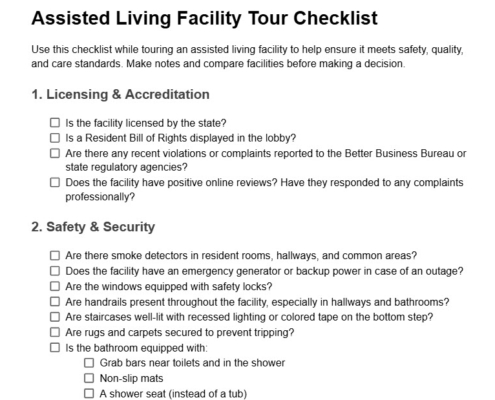 https://rayasparadise.com/wp-content/uploads/2025/03/Assisted-Living-Facility-Tour-Checklist-–-Free-PDF-Download-Printable-Guide.jpg
619
840
Raya's Paradise
https://rayasparadise.com//wp-content/uploads/2019/07/RP-LOGO-Horizontal-Name-Only-websitetrans.png
Raya's Paradise2025-03-11 19:17:172026-01-14 19:36:54Assisted Living Facility Tour Checklist – Free PDF Download & Printable Guide
https://rayasparadise.com/wp-content/uploads/2025/03/Assisted-Living-Facility-Tour-Checklist-–-Free-PDF-Download-Printable-Guide.jpg
619
840
Raya's Paradise
https://rayasparadise.com//wp-content/uploads/2019/07/RP-LOGO-Horizontal-Name-Only-websitetrans.png
Raya's Paradise2025-03-11 19:17:172026-01-14 19:36:54Assisted Living Facility Tour Checklist – Free PDF Download & Printable Guide https://rayasparadise.com/wp-content/uploads/2025/01/Assisted-Living-vs-Senior-Living-scaled.jpg
1350
2560
Raya's Paradise
https://rayasparadise.com//wp-content/uploads/2019/07/RP-LOGO-Horizontal-Name-Only-websitetrans.png
Raya's Paradise2025-01-25 21:43:382026-01-14 19:37:10Assisted Living vs. Senior Living - How Are They Different?
https://rayasparadise.com/wp-content/uploads/2025/01/Assisted-Living-vs-Senior-Living-scaled.jpg
1350
2560
Raya's Paradise
https://rayasparadise.com//wp-content/uploads/2019/07/RP-LOGO-Horizontal-Name-Only-websitetrans.png
Raya's Paradise2025-01-25 21:43:382026-01-14 19:37:10Assisted Living vs. Senior Living - How Are They Different? https://rayasparadise.com/wp-content/uploads/2025/01/What-is-Assisted-Living-and-How-Does-it-Work.jpg
1709
2540
Raya's Paradise
https://rayasparadise.com//wp-content/uploads/2019/07/RP-LOGO-Horizontal-Name-Only-websitetrans.png
Raya's Paradise2025-01-14 23:14:422025-10-22 19:10:16What is Assisted Living and How Does it Work?
https://rayasparadise.com/wp-content/uploads/2025/01/What-is-Assisted-Living-and-How-Does-it-Work.jpg
1709
2540
Raya's Paradise
https://rayasparadise.com//wp-content/uploads/2019/07/RP-LOGO-Horizontal-Name-Only-websitetrans.png
Raya's Paradise2025-01-14 23:14:422025-10-22 19:10:16What is Assisted Living and How Does it Work? https://rayasparadise.com/wp-content/uploads/2024/12/Benefits-of-Assisted-Living-for-Seniors-1.jpg
1702
2560
Raya's Paradise
https://rayasparadise.com//wp-content/uploads/2019/07/RP-LOGO-Horizontal-Name-Only-websitetrans.png
Raya's Paradise2024-12-24 20:22:242025-10-22 19:10:16What Are the Benefits of Assisted Living? 24-Hour Support, Socialization, Nutritious Meals and Peace of Mind
https://rayasparadise.com/wp-content/uploads/2024/12/Benefits-of-Assisted-Living-for-Seniors-1.jpg
1702
2560
Raya's Paradise
https://rayasparadise.com//wp-content/uploads/2019/07/RP-LOGO-Horizontal-Name-Only-websitetrans.png
Raya's Paradise2024-12-24 20:22:242025-10-22 19:10:16What Are the Benefits of Assisted Living? 24-Hour Support, Socialization, Nutritious Meals and Peace of Mind https://rayasparadise.com/wp-content/uploads/2024/12/Assisted-Living-Cost-in-Los-Angeles.jpg
1455
2059
Raya's Paradise
https://rayasparadise.com//wp-content/uploads/2019/07/RP-LOGO-Horizontal-Name-Only-websitetrans.png
Raya's Paradise2024-12-06 19:40:182025-10-22 19:10:17Cost of Assisted Living in the Greater Los Angeles Area
https://rayasparadise.com/wp-content/uploads/2024/12/Assisted-Living-Cost-in-Los-Angeles.jpg
1455
2059
Raya's Paradise
https://rayasparadise.com//wp-content/uploads/2019/07/RP-LOGO-Horizontal-Name-Only-websitetrans.png
Raya's Paradise2024-12-06 19:40:182025-10-22 19:10:17Cost of Assisted Living in the Greater Los Angeles Area https://rayasparadise.com/wp-content/uploads/2019/09/Whens-the-Best-Age-to-Move-to-a-Board-and-Care-Community.jpg
1697
2555
Raya's Paradise
https://rayasparadise.com//wp-content/uploads/2019/07/RP-LOGO-Horizontal-Name-Only-websitetrans.png
Raya's Paradise2019-09-18 16:51:092025-10-22 19:10:34When’s the Best Age to Move to a Board and Care Community?
https://rayasparadise.com/wp-content/uploads/2019/09/Whens-the-Best-Age-to-Move-to-a-Board-and-Care-Community.jpg
1697
2555
Raya's Paradise
https://rayasparadise.com//wp-content/uploads/2019/07/RP-LOGO-Horizontal-Name-Only-websitetrans.png
Raya's Paradise2019-09-18 16:51:092025-10-22 19:10:34When’s the Best Age to Move to a Board and Care Community? https://rayasparadise.com/wp-content/uploads/2013/12/Using-Life-Insurance-to-Pay-for-Assisted-Living.jpg
1700
2549
Raya's Paradise
https://rayasparadise.com//wp-content/uploads/2019/07/RP-LOGO-Horizontal-Name-Only-websitetrans.png
Raya's Paradise2013-12-17 04:00:242026-01-14 19:40:32Using Life Insurance to Pay for Assisted Living
https://rayasparadise.com/wp-content/uploads/2013/12/Using-Life-Insurance-to-Pay-for-Assisted-Living.jpg
1700
2549
Raya's Paradise
https://rayasparadise.com//wp-content/uploads/2019/07/RP-LOGO-Horizontal-Name-Only-websitetrans.png
Raya's Paradise2013-12-17 04:00:242026-01-14 19:40:32Using Life Insurance to Pay for Assisted Living
