
Contents
- Downsizing to Prepare for Assisted Living
- Key Takeaways | Assisted Living Prep Downsizing
- Why Downsizing Is Part of the Assisted Living Transition
- Start Early and Set Realistic Expectations
- Break Downsizing Into Manageable Steps
- Reevaluate Belongings Through a New Lens
- What To Do With Items You Do Not Keep
- Emotional Support During Downsizing
- How Assisted Living Supports a Simpler Lifestyle
- Take The Next Step With Confidence
- More Assisted Living Resources
- Choosing Assisted Living for Senior Couples
- History of Assisted Living |How the Option of Assisted Living Developed
- Choosing Assisted Living for Those with Alzheimer's or Dementia
- Paying for Assisted Living, Costs, Insurance, VA Benefits, and Smart Ways to Plan
- Six Myths About Assisted Living - What Senior Living Really Looks Like
- The Benefits of Assisted Living Over In-Home Care
- How to Care for a Loved One in Assisted Living From Afar
- Making a Smooth Transition to Assisted Living
- The Benefits of Small Assisted Living Facilities
- Tips for Selling Your Home to Pay for Assisted Living
- Signs It’s Time for Assisted Living, How to Know When Extra Support Is Needed
- Downsizing to Prepare for a Move to Assisted Living
- Discussing Assisted Living with a Reluctant Parent
- Does Assisted Living Provide Medical Care? Understanding Living Options and Care in Assisted Living Communities
- What Amenities Are Offered in Assisted Living? Services, Benefits, and Features for Residents

Downsizing to Prepare for Assisted Living
A Practical Guide for Seniors and Families
Key Takeaways | Assisted Living Prep Downsizing
Downsizing takes time and emotional energy, not just organization.
Starting early and breaking tasks into small steps reduces stress.
Decisions should reflect the reality of assisted living spaces and daily needs.
Letting go of possessions can be freeing and create room for connection, safety, and peace of mind.
Downsizing is often one of the most emotional and underestimated parts of preparing for assisted living. Families tell us this step feels harder than choosing a community or arranging care. A home holds decades of memories, routines, and identity. Letting go of belongings can feel like letting go of pieces of life itself.
If you or a loved one are preparing for assisted living, this guide is here to help you approach downsizing with clarity, compassion, and confidence. With the right mindset and plan, downsizing can become a meaningful transition rather than a painful one. If you would like support choosing the right next step, our team is always available through our contact page or you can explore our residential care communities to understand how much space and personalization are truly needed.

Why Downsizing Is Part of the Assisted Living Transition
Moving into assisted living usually means moving into a smaller, more supportive environment. While assisted living communities are designed to feel like home, they do not offer the same storage or square footage as a long-time residence. Downsizing allows seniors to bring what truly matters without feeling overwhelmed by excess belongings.
Beyond space limitations, downsizing supports safety and ease of movement. Fewer items mean fewer tripping hazards, less clutter, and simpler daily routines. Many families notice that once downsizing begins, anxiety often decreases because decisions are being made intentionally rather than under pressure.
If you are still exploring care options, our article on what assisted living is and how it works can help clarify how lifestyle changes after the move.

Start Early and Set Realistic Expectations
Downsizing an entire home cannot be done well in a few days. When families wait until a move date is looming, the process often becomes rushed, emotional, and exhausting. Starting early allows time to reflect, involve family members, and avoid burnout.
Set realistic goals. Some people do best working one room per week. Others prefer tackling one drawer or closet at a time. There is no correct pace. What matters is steady progress without overwhelming yourself or your loved one.
Families navigating this transition often benefit from understanding the emotional side of change. Our resource on making a smooth transition to assisted living offers additional guidance.

Break Downsizing Into Manageable Steps
Trying to decide the fate of everything at once can quickly become overwhelming. A room-by-room approach keeps the process structured and achievable. Within each room, focus on one category at a time such as clothing, books, or paperwork.
It helps to create clear categories early on. Keep, donate, give to family, sell, or discard. Having defined options prevents indecision and reduces the temptation to postpone choices indefinitely.
If family dynamics are involved, you may also find value in reading about keeping peace among siblings when caring for an aging parent.

Reevaluate Belongings Through a New Lens
Downsizing is not about getting rid of everything. It is about choosing what supports the next stage of life. When evaluating an item, ask practical questions. Will it fit comfortably in the new space. Will it require maintenance or upkeep. Will it realistically be used.
Sentimental items deserve special care. Photos, heirlooms, and meaningful keepsakes often bring comfort and continuity in a new environment. Many assisted living residents personalize their rooms with familiar objects that make the space feel like home.
Understanding how much space is available can help guide decisions. Touring communities using an assisted living facility tour checklist can provide clarity before final choices are made.
What To Do With Items You Do Not Keep
Once you begin downsizing, the question becomes what to do with the belongings you no longer need. Donating items to charities can be deeply fulfilling, especially when items are still in good condition. Giving meaningful pieces to family members or friends often helps preserve memories while lightening the emotional load.
Some families choose estate sales or yard sales, though these take planning and energy. The right option depends on timelines, emotional readiness, and personal values. What matters most is avoiding the trap of keeping everything out of obligation rather than intention.
If caregiving stress is part of this transition, you may benefit from our article on reducing caregiver stress during major life changes.
Emotional Support During Downsizing
Downsizing is rarely just about belongings. It often brings up grief, fear, and uncertainty about aging and independence. Acknowledging these feelings is essential. Encouraging open conversations and honoring memories can make the process more compassionate.
Many seniors find relief once downsizing is complete. Fewer possessions can mean more freedom, less responsibility, and greater focus on relationships and daily enjoyment. Assisted living offers the opportunity to build new friendships, routines, and a sense of community.
For families unsure when to take the next step, our guide on signs it may be time for assisted living may help provide reassurance.
How Assisted Living Supports a Simpler Lifestyle
Assisted living is designed to remove daily burdens while preserving independence. At Raya’s Paradise, residents receive personalized support, home-cooked meals, and engaging social opportunities in a residential setting. This allows seniors to focus on living rather than managing a household.
If you are considering care options, explore our assisted living services as well as assisted living in Orange County and Los Angeles.
For families needing temporary support during transitions, short-term respite care can be a helpful bridge.
Take The Next Step With Confidence
Downsizing is a process, not a single decision. With time, support, and a clear plan, it can become a meaningful part of moving toward safer, more connected living. You do not have to do this alone.
If you would like to see what life looks like after the transition, we invite you to schedule a visit. You can request a tour through our Los Angeles tour request page or our Orange County tour request page.
Our Orange County Senior Assisted Living with Memory Care Community
Our Los Angeles Assisted Living Residences
Disclaimer:
This article is for informational purposes only and does not provide medical, legal, or financial advice. Downsizing decisions may involve estate, financial, or care planning considerations. Always consult qualified professionals for guidance specific to your situation.
 https://rayasparadise.com/wp-content/uploads/2013/03/Choosing-Assisted-Living-for-Senior-Couples.jpg
1700
2555
Moti Gamburd
https://rayasparadise.com//wp-content/uploads/2019/07/RP-LOGO-Horizontal-Name-Only-websitetrans.png
Moti Gamburd2026-02-14 06:37:342026-02-15 16:24:24Choosing Assisted Living for Senior Couples
https://rayasparadise.com/wp-content/uploads/2013/03/Choosing-Assisted-Living-for-Senior-Couples.jpg
1700
2555
Moti Gamburd
https://rayasparadise.com//wp-content/uploads/2019/07/RP-LOGO-Horizontal-Name-Only-websitetrans.png
Moti Gamburd2026-02-14 06:37:342026-02-15 16:24:24Choosing Assisted Living for Senior Couples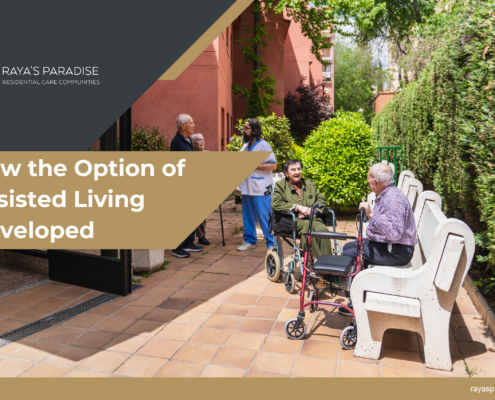 https://rayasparadise.com/wp-content/uploads/2012/12/How-the-Option-of-Assisted-Living-Developed.jpg
1702
2553
Moti Gamburd
https://rayasparadise.com//wp-content/uploads/2019/07/RP-LOGO-Horizontal-Name-Only-websitetrans.png
Moti Gamburd2026-02-12 04:33:042026-02-14 21:30:20History of Assisted Living |How the Option of Assisted Living Developed
https://rayasparadise.com/wp-content/uploads/2012/12/How-the-Option-of-Assisted-Living-Developed.jpg
1702
2553
Moti Gamburd
https://rayasparadise.com//wp-content/uploads/2019/07/RP-LOGO-Horizontal-Name-Only-websitetrans.png
Moti Gamburd2026-02-12 04:33:042026-02-14 21:30:20History of Assisted Living |How the Option of Assisted Living Developed https://rayasparadise.com/wp-content/uploads/2012/10/Choosing-Assisted-Living-for-Those-with-Alzheimers-or-Dementia.jpeg
1695
2546
Moti Gamburd
https://rayasparadise.com//wp-content/uploads/2019/07/RP-LOGO-Horizontal-Name-Only-websitetrans.png
Moti Gamburd2026-02-11 08:14:422026-02-14 20:05:38Choosing Assisted Living for Those with Alzheimer's or Dementia
https://rayasparadise.com/wp-content/uploads/2012/10/Choosing-Assisted-Living-for-Those-with-Alzheimers-or-Dementia.jpeg
1695
2546
Moti Gamburd
https://rayasparadise.com//wp-content/uploads/2019/07/RP-LOGO-Horizontal-Name-Only-websitetrans.png
Moti Gamburd2026-02-11 08:14:422026-02-14 20:05:38Choosing Assisted Living for Those with Alzheimer's or Dementia https://rayasparadise.com/wp-content/uploads/2012/10/Paying-for-Assisted-Living.jpg
1700
2542
Moti Gamburd
https://rayasparadise.com//wp-content/uploads/2019/07/RP-LOGO-Horizontal-Name-Only-websitetrans.png
Moti Gamburd2026-02-10 03:30:062026-02-11 17:07:19Paying for Assisted Living, Costs, Insurance, VA Benefits, and Smart Ways to Plan
https://rayasparadise.com/wp-content/uploads/2012/10/Paying-for-Assisted-Living.jpg
1700
2542
Moti Gamburd
https://rayasparadise.com//wp-content/uploads/2019/07/RP-LOGO-Horizontal-Name-Only-websitetrans.png
Moti Gamburd2026-02-10 03:30:062026-02-11 17:07:19Paying for Assisted Living, Costs, Insurance, VA Benefits, and Smart Ways to Plan https://rayasparadise.com/wp-content/uploads/2012/10/Six-Myths-About-Assisted-Living.jpg
1702
2555
Moti Gamburd
https://rayasparadise.com//wp-content/uploads/2019/07/RP-LOGO-Horizontal-Name-Only-websitetrans.png
Moti Gamburd2026-02-09 04:02:312026-02-11 18:00:01Six Myths About Assisted Living - What Senior Living Really Looks Like
https://rayasparadise.com/wp-content/uploads/2012/10/Six-Myths-About-Assisted-Living.jpg
1702
2555
Moti Gamburd
https://rayasparadise.com//wp-content/uploads/2019/07/RP-LOGO-Horizontal-Name-Only-websitetrans.png
Moti Gamburd2026-02-09 04:02:312026-02-11 18:00:01Six Myths About Assisted Living - What Senior Living Really Looks Like https://rayasparadise.com/wp-content/uploads/2026/02/Assisted-Living-vs-In-Home-Care.jpg
1695
2553
Moti Gamburd
https://rayasparadise.com//wp-content/uploads/2019/07/RP-LOGO-Horizontal-Name-Only-websitetrans.png
Moti Gamburd2026-02-08 06:00:482026-02-15 17:35:09The Benefits of Assisted Living Over In-Home Care
https://rayasparadise.com/wp-content/uploads/2026/02/Assisted-Living-vs-In-Home-Care.jpg
1695
2553
Moti Gamburd
https://rayasparadise.com//wp-content/uploads/2019/07/RP-LOGO-Horizontal-Name-Only-websitetrans.png
Moti Gamburd2026-02-08 06:00:482026-02-15 17:35:09The Benefits of Assisted Living Over In-Home Care https://rayasparadise.com/wp-content/uploads/2013/01/Caring-for-a-Parent-in-Assisted-Living-From-Afar.jpeg
1702
2556
Moti Gamburd
https://rayasparadise.com//wp-content/uploads/2019/07/RP-LOGO-Horizontal-Name-Only-websitetrans.png
Moti Gamburd2026-02-06 08:00:312026-02-13 00:13:06How to Care for a Loved One in Assisted Living From Afar
https://rayasparadise.com/wp-content/uploads/2013/01/Caring-for-a-Parent-in-Assisted-Living-From-Afar.jpeg
1702
2556
Moti Gamburd
https://rayasparadise.com//wp-content/uploads/2019/07/RP-LOGO-Horizontal-Name-Only-websitetrans.png
Moti Gamburd2026-02-06 08:00:312026-02-13 00:13:06How to Care for a Loved One in Assisted Living From Afar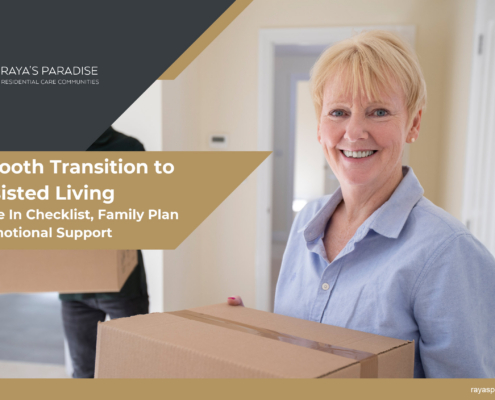 https://rayasparadise.com/wp-content/uploads/2012/10/Smooth-Transition-to-Assisted-Living.jpeg
1696
2555
Moti Gamburd
https://rayasparadise.com//wp-content/uploads/2019/07/RP-LOGO-Horizontal-Name-Only-websitetrans.png
Moti Gamburd2026-02-06 01:00:082026-02-12 23:35:09Making a Smooth Transition to Assisted Living
https://rayasparadise.com/wp-content/uploads/2012/10/Smooth-Transition-to-Assisted-Living.jpeg
1696
2555
Moti Gamburd
https://rayasparadise.com//wp-content/uploads/2019/07/RP-LOGO-Horizontal-Name-Only-websitetrans.png
Moti Gamburd2026-02-06 01:00:082026-02-12 23:35:09Making a Smooth Transition to Assisted Living https://rayasparadise.com/wp-content/uploads/2012/10/Benefits-of-Small-Assisted-Living-Facilities.jpg
1702
2551
Moti Gamburd
https://rayasparadise.com//wp-content/uploads/2019/07/RP-LOGO-Horizontal-Name-Only-websitetrans.png
Moti Gamburd2026-02-04 04:23:062026-02-11 19:20:11The Benefits of Small Assisted Living Facilities
https://rayasparadise.com/wp-content/uploads/2012/10/Benefits-of-Small-Assisted-Living-Facilities.jpg
1702
2551
Moti Gamburd
https://rayasparadise.com//wp-content/uploads/2019/07/RP-LOGO-Horizontal-Name-Only-websitetrans.png
Moti Gamburd2026-02-04 04:23:062026-02-11 19:20:11The Benefits of Small Assisted Living Facilities https://rayasparadise.com/wp-content/uploads/2026/01/Tips-for-Selling-Your-Home-to-Pay-for-Assisted-Living.jpg
1702
2555
Moti Gamburd
https://rayasparadise.com//wp-content/uploads/2019/07/RP-LOGO-Horizontal-Name-Only-websitetrans.png
Moti Gamburd2026-01-22 04:00:552026-01-22 18:04:19Tips for Selling Your Home to Pay for Assisted Living
https://rayasparadise.com/wp-content/uploads/2026/01/Tips-for-Selling-Your-Home-to-Pay-for-Assisted-Living.jpg
1702
2555
Moti Gamburd
https://rayasparadise.com//wp-content/uploads/2019/07/RP-LOGO-Horizontal-Name-Only-websitetrans.png
Moti Gamburd2026-01-22 04:00:552026-01-22 18:04:19Tips for Selling Your Home to Pay for Assisted Living https://rayasparadise.com/wp-content/uploads/2012/10/Signs-Its-Time-for-Assisted-Living.jpg
1697
2555
Raya's Paradise
https://rayasparadise.com//wp-content/uploads/2019/07/RP-LOGO-Horizontal-Name-Only-websitetrans.png
Raya's Paradise2026-01-19 03:09:442026-01-20 17:17:15Signs It’s Time for Assisted Living, How to Know When Extra Support Is Needed
https://rayasparadise.com/wp-content/uploads/2012/10/Signs-Its-Time-for-Assisted-Living.jpg
1697
2555
Raya's Paradise
https://rayasparadise.com//wp-content/uploads/2019/07/RP-LOGO-Horizontal-Name-Only-websitetrans.png
Raya's Paradise2026-01-19 03:09:442026-01-20 17:17:15Signs It’s Time for Assisted Living, How to Know When Extra Support Is Needed https://rayasparadise.com/wp-content/uploads/2012/12/Downsizing-to-Prepare-for-Assisted-Living.jpeg
1704
2558
Moti Gamburd
https://rayasparadise.com//wp-content/uploads/2019/07/RP-LOGO-Horizontal-Name-Only-websitetrans.png
Moti Gamburd2026-01-13 04:02:202026-01-15 22:28:54Downsizing to Prepare for a Move to Assisted Living
https://rayasparadise.com/wp-content/uploads/2012/12/Downsizing-to-Prepare-for-Assisted-Living.jpeg
1704
2558
Moti Gamburd
https://rayasparadise.com//wp-content/uploads/2019/07/RP-LOGO-Horizontal-Name-Only-websitetrans.png
Moti Gamburd2026-01-13 04:02:202026-01-15 22:28:54Downsizing to Prepare for a Move to Assisted Living https://rayasparadise.com/wp-content/uploads/2012/11/How-to-Discuss-Assisted-Living-With-a-Reluctant-Parent.jpeg
1704
2553
Moti Gamburd
https://rayasparadise.com//wp-content/uploads/2019/07/RP-LOGO-Horizontal-Name-Only-websitetrans.png
Moti Gamburd2026-01-12 02:33:232026-01-15 23:41:56Discussing Assisted Living with a Reluctant Parent
https://rayasparadise.com/wp-content/uploads/2012/11/How-to-Discuss-Assisted-Living-With-a-Reluctant-Parent.jpeg
1704
2553
Moti Gamburd
https://rayasparadise.com//wp-content/uploads/2019/07/RP-LOGO-Horizontal-Name-Only-websitetrans.png
Moti Gamburd2026-01-12 02:33:232026-01-15 23:41:56Discussing Assisted Living with a Reluctant Parent https://rayasparadise.com/wp-content/uploads/2025/08/Does-Assisted-Living-Provide-Medical-Care.jpg
1704
2548
Raya's Paradise
https://rayasparadise.com//wp-content/uploads/2019/07/RP-LOGO-Horizontal-Name-Only-websitetrans.png
Raya's Paradise2025-08-27 20:32:462026-01-14 19:35:28Does Assisted Living Provide Medical Care? Understanding Living Options and Care in Assisted Living Communities
https://rayasparadise.com/wp-content/uploads/2025/08/Does-Assisted-Living-Provide-Medical-Care.jpg
1704
2548
Raya's Paradise
https://rayasparadise.com//wp-content/uploads/2019/07/RP-LOGO-Horizontal-Name-Only-websitetrans.png
Raya's Paradise2025-08-27 20:32:462026-01-14 19:35:28Does Assisted Living Provide Medical Care? Understanding Living Options and Care in Assisted Living Communities https://rayasparadise.com/wp-content/uploads/2025/08/What-Amenities-Are-Offered-In-Assisted-Living.jpg
1080
1621
Raya's Paradise
https://rayasparadise.com//wp-content/uploads/2019/07/RP-LOGO-Horizontal-Name-Only-websitetrans.png
Raya's Paradise2025-08-27 16:58:562025-10-22 19:10:12What Amenities Are Offered in Assisted Living? Services, Benefits, and Features for Residents
https://rayasparadise.com/wp-content/uploads/2025/08/What-Amenities-Are-Offered-In-Assisted-Living.jpg
1080
1621
Raya's Paradise
https://rayasparadise.com//wp-content/uploads/2019/07/RP-LOGO-Horizontal-Name-Only-websitetrans.png
Raya's Paradise2025-08-27 16:58:562025-10-22 19:10:12What Amenities Are Offered in Assisted Living? Services, Benefits, and Features for Residents
