
Contents
- Caring for a Parent in Assisted Living From Afar
- Key Takeaways
- Build a Long Distance Caregiving Game Plan That Actually Holds Up
- Support the Local Sibling Without Accidentally Becoming Another Burden
- Get Better Information Than “I’m Fine”
- Stay Involved in Medical Care Without Crossing Privacy Lines
- Make Your Visits Count With a Tour Style Checklist
- Where Raya’s Paradise Fits for Families Who Live Far Away
- Sources & Additional Resources
- More Assisted Living Resources
- When a Parent Is Running Out of Money in Assisted Living in California
- Alternatives to Nursing Home Care in California Through PACE, ALW, IHSS and MSSP
- Hospital Discharge to Assisted Living in California and the Admission Checks That Matter
- Choosing Assisted Living for Senior Couples
- History of Assisted Living |How the Option of Assisted Living Developed
- Choosing Assisted Living for Those with Alzheimer's or Dementia
- Paying for Assisted Living, Costs, Insurance, VA Benefits, and Smart Ways to Plan
- Six Myths About Assisted Living - What Senior Living Really Looks Like
- The Benefits of Assisted Living Over In-Home Care
- How to Care for a Loved One in Assisted Living From Afar
- Making a Smooth Transition to Assisted Living
- The Benefits of Small Assisted Living Facilities
- Tips for Selling Your Home to Pay for Assisted Living
- Signs It’s Time for Assisted Living, How to Know When Extra Support Is Needed
- Downsizing to Prepare for a Move to Assisted Living

Caring for a Parent in Assisted Living From Afar
Long Distance Caregiving Tips
Key Takeaways
- Long-distance caregiving works best when you build a communication rhythm with staff, family, and your parent.
- Support your local sibling by clarifying roles, sharing decision-making, and taking on tasks they cannot easily do.
- Make your visits count with a simple checklist, specific questions, and scheduled care conferences.
- Use “third-party eyes” when needed, trusted friends, relatives, or California’s Long-Term Care Ombudsman if something feels off (Statewide CRISISline: 1-800-231-4024).
- Know the boundaries of information sharing. Consent and legal roles matter when you are trying to access health updates.
Living far away from a parent in assisted living can mess with your head in a very specific way. You know they are safer than they were at home, yet you still worry you are not doing enough. You call, they say, “I’m fine,” and you are left trying to decode what “fine” actually means.
This guide is for long-distance caregivers who want a real plan. Not a vague “call more often” plan. A workable system that protects your parent, supports the sibling who is nearby, and lets you show up in meaningful ways even when you are states away.
Quick help option: If you want a care team you can partner with for updates, planning, and next steps, explore the Raya’s Paradise communities and message us through the contact page. If you are planning a visit to Los Angeles or San Clemente, you can set up a Los Angeles tour or a San Clemente tour so your trip actually moves things forward.

Build a Long Distance Caregiving Game Plan That Actually Holds Up
Start by writing down the basics you want to keep stable, then assign who handles what. Long-distance caregiving gets shaky when everyone assumes someone else is tracking the important stuff.
Your core plan can be simple:
- One shared family update channel: a group text or a shared doc where updates live in one place.
- Weekly check-in schedule: one call with your parent, one quick touchpoint with your local sibling, one staff update if needed.
- Monthly “big picture” review: meds, falls, appetite, mood, sleep, participation, any care plan changes.
- Clear escalation rules: who gets called first if there is a fall, ER visit, medication change, or behavioral change.
If your family dynamics are complicated, you will save yourself stress by formalizing the decision process early. This guide on holding family meetings about senior care is a helpful framework for setting expectations without lighting the fuse on old sibling patterns.
If you are still learning the basics of assisted living routines and who does what, start with how assisted living works, then review the practical benefits in what families gain from assisted living.

Support the Local Sibling Without Accidentally Becoming Another Burden
When one sibling is nearby, they often become the default caregiver. Even in assisted living, they are the one who gets the calls, attends appointments, handles the “can you run over there” moments, and absorbs the day-to-day worry. The fastest way to damage trust is to criticize from afar without carrying any weight.
Instead, ask a direct question that invites clarity: “What would genuinely help you this month?” Then be ready to follow through.
High-impact ways to contribute from a distance:
- Coordinate logistics: schedule appointments, arrange transportation, track medication lists, handle pharmacy refills.
- Manage admin tasks: insurance calls, bill pay organization, paperwork scanning, replacement IDs.
- Financial participation: cover extras that are hard for your local sibling to carry alone, haircuts, shoes, companion outings, travel costs for visits.
- Planned relief: fly in for a week so your sibling can rest, or arrange a short-term respite care stay when the family needs a reset.
If your sibling is burning out, it helps to name it without shaming anyone. This article on signs of caregiver burnout can make the conversation feel less personal and more practical.

Get Better Information Than “I’m Fine”
Many parents protect their adult children by minimizing issues. Others forget details, especially if memory is changing. Either way, you need more than a yes or no check-in call.
Try questions that invite specifics:
- What was the best part of your day today?
- Who did you sit with at lunch?
- Did you go outside this week?
- What did you have for breakfast?
- What is something that has been annoying lately?
- Is there anything you wish staff knew about you right now?
Then build in “third-party eyes.” If you have a nearby relative, trusted friend, or longtime neighbor, ask if they can visit once a month and tell you what they notice. Not in a spying way. In a caring way. A familiar face can also lift your parent’s spirits.
If memory changes are part of the picture, you may need additional structure. Explore memory care services and, for families looking in South Orange County, memory care in Orange County. These environments are designed for safety, cues, routine, and dementia-informed engagement.

Stay Involved in Medical Care Without Crossing Privacy Lines
It is smart to be involved in medical care, especially when you live far away. It is also important to understand that privacy rules depend on who is sharing information. HIPAA applies to many doctors, clinics, hospitals, and health plans (covered entities). Assisted living communities may or may not be HIPAA covered entities depending on how they are structured and whether they meet HIPAA’s covered entity requirements. Even when HIPAA does not apply, assisted living providers typically have privacy policies and may require resident consent before sharing details.
In many cases, your parent can give permission for a doctor, hospital, or health plan to discuss relevant information with you. If your parent has capacity and agrees, providers can include you in conversations. If your parent is not present or is incapacitated, providers may share information that is directly relevant to your involvement in care or payment when, using professional judgment, they believe it is in the patient’s best interest. The HHS overview on sharing health information with family and friends explains the basics. For more specific examples, review the HIPAA FAQ on disclosures to family and friends.
Practical steps that make coordination easier:
- Ask your parent to sign a provider authorization so you can receive updates when appropriate.
- Keep a current medication list and diagnoses list in one shared place.
- Join appointments by speakerphone or video when possible.
- Request a care conference with the assisted living team after major changes, falls, hospitalizations, or behavior shifts.
If your parent is approaching end-of-life care or has a serious illness, you may also be coordinating comfort-focused support. Raya’s Paradise works alongside hospice partners through hospice care services, which can provide extra layers of support while your loved one remains in a residential setting.
Make Your Visits Count With a Tour Style Checklist
When you do visit, skip the “let’s just see how it feels” approach. Come with a plan so you can leave with clarity and not just emotions.
During a visit, quietly observe:
- Is your parent eating well and staying hydrated?
- Are clothes clean, nails trimmed, and personal grooming supported?
- Does your parent seem engaged, lonely, sleepy, or withdrawn?
- Are there new bruises, unexplained pain complaints, or sudden confusion?
- Do staff greet your parent by name and interact warmly?
Use a printable guide for structure. This assisted living facility tour checklist helps you ask better questions and notice details that matter.
If you are helping from afar after a move, an Orange County first month in assisted living checklist can also help you confirm care updates, staff communication, visits, routines, family contacts, and early adjustment details are being handled.
If you are worried about quality, review warning signs when touring assisted living facilities.
If you are trying to be thoughtful about visit frequency, this guide on how often to visit a parent in assisted living offers a realistic approach.
Where Raya’s Paradise Fits for Families Who Live Far Away
Long-distance caregiving gets easier when you have a responsive team and a setting designed for safety, dignity and connection. Raya’s Paradise supports families across Los Angeles and Orange County through assisted living services, including options for refined assisted living in coastal Orange County. For cognitive change, we also provide memory care support and personalized dementia care for Orange County seniors.
If you are evaluating next steps, start with our communities page, then reach out through the contact page. If you are flying in soon, booking a Los Angeles tour appointment or a San Clemente tour visit is one of the best ways to turn a short trip into progress.
Our Orange County Senior Assisted Living Facility
Our Los Angeles Senior Assisted Living Residential Homes
Sources & Additional Resources
HHS overview of HIPAA covered entities
HHS guidance on when health information may be shared with family and friends under HIPAA
HIPAA FAQ on disclosures to family, friends, and others involved in care
California Department of Aging, Long-Term Care Ombudsman Program (includes Statewide CRISISline)
Medicare explanation of long-term care and custodial care coverage limits
Disclaimer:
This article is general information, not medical advice, legal advice, or financial advice. Rules for sharing health information can vary by situation and by provider. When in doubt, speak with an attorney or the healthcare provider directly.
 https://rayasparadise.com/wp-content/uploads/2026/10/Senior-Woman-Concerned-About-Running-Out-of-Money-in-Assisted-Living.jpg
1706
2560
Moti Gamburd
https://rayasparadise.com//wp-content/uploads/2019/07/RP-LOGO-Horizontal-Name-Only-websitetrans.png
Moti Gamburd2026-10-20 10:26:362026-10-20 18:19:50When a Parent Is Running Out of Money in Assisted Living in California
https://rayasparadise.com/wp-content/uploads/2026/10/Senior-Woman-Concerned-About-Running-Out-of-Money-in-Assisted-Living.jpg
1706
2560
Moti Gamburd
https://rayasparadise.com//wp-content/uploads/2019/07/RP-LOGO-Horizontal-Name-Only-websitetrans.png
Moti Gamburd2026-10-20 10:26:362026-10-20 18:19:50When a Parent Is Running Out of Money in Assisted Living in California https://rayasparadise.com/wp-content/uploads/2026/10/In-Home-Senior-Care-and-Alternatives-to-Nursing-Home-Placement-in-California.jpg
1707
2560
Moti Gamburd
https://rayasparadise.com//wp-content/uploads/2019/07/RP-LOGO-Horizontal-Name-Only-websitetrans.png
Moti Gamburd2026-10-18 15:03:492026-10-16 19:30:18Alternatives to Nursing Home Care in California Through PACE, ALW, IHSS and MSSP
https://rayasparadise.com/wp-content/uploads/2026/10/In-Home-Senior-Care-and-Alternatives-to-Nursing-Home-Placement-in-California.jpg
1707
2560
Moti Gamburd
https://rayasparadise.com//wp-content/uploads/2019/07/RP-LOGO-Horizontal-Name-Only-websitetrans.png
Moti Gamburd2026-10-18 15:03:492026-10-16 19:30:18Alternatives to Nursing Home Care in California Through PACE, ALW, IHSS and MSSP https://rayasparadise.com/wp-content/uploads/2026/10/Hospital-Discharge-Planning-and-Assisted-Living-Care-Assessment.jpg
1708
2560
Moti Gamburd
https://rayasparadise.com//wp-content/uploads/2019/07/RP-LOGO-Horizontal-Name-Only-websitetrans.png
Moti Gamburd2026-10-16 14:54:522026-10-16 14:54:52Hospital Discharge to Assisted Living in California and the Admission Checks That Matter
https://rayasparadise.com/wp-content/uploads/2026/10/Hospital-Discharge-Planning-and-Assisted-Living-Care-Assessment.jpg
1708
2560
Moti Gamburd
https://rayasparadise.com//wp-content/uploads/2019/07/RP-LOGO-Horizontal-Name-Only-websitetrans.png
Moti Gamburd2026-10-16 14:54:522026-10-16 14:54:52Hospital Discharge to Assisted Living in California and the Admission Checks That Matter https://rayasparadise.com/wp-content/uploads/2013/03/Choosing-Assisted-Living-for-Senior-Couples.jpg
1700
2555
Moti Gamburd
https://rayasparadise.com//wp-content/uploads/2019/07/RP-LOGO-Horizontal-Name-Only-websitetrans.png
Moti Gamburd2026-02-14 06:37:342026-10-12 22:26:28Choosing Assisted Living for Senior Couples
https://rayasparadise.com/wp-content/uploads/2013/03/Choosing-Assisted-Living-for-Senior-Couples.jpg
1700
2555
Moti Gamburd
https://rayasparadise.com//wp-content/uploads/2019/07/RP-LOGO-Horizontal-Name-Only-websitetrans.png
Moti Gamburd2026-02-14 06:37:342026-10-12 22:26:28Choosing Assisted Living for Senior Couples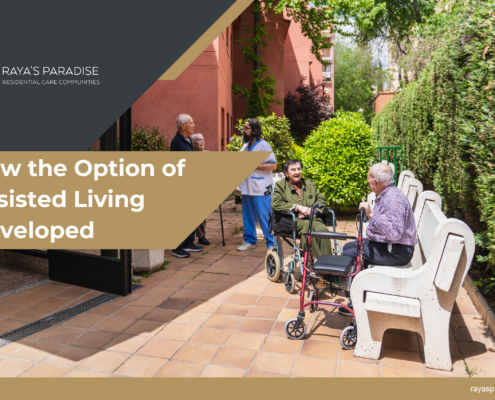 https://rayasparadise.com/wp-content/uploads/2012/12/How-the-Option-of-Assisted-Living-Developed.jpg
1702
2553
Moti Gamburd
https://rayasparadise.com//wp-content/uploads/2019/07/RP-LOGO-Horizontal-Name-Only-websitetrans.png
Moti Gamburd2026-02-12 04:33:042026-10-12 22:09:43History of Assisted Living |How the Option of Assisted Living Developed
https://rayasparadise.com/wp-content/uploads/2012/12/How-the-Option-of-Assisted-Living-Developed.jpg
1702
2553
Moti Gamburd
https://rayasparadise.com//wp-content/uploads/2019/07/RP-LOGO-Horizontal-Name-Only-websitetrans.png
Moti Gamburd2026-02-12 04:33:042026-10-12 22:09:43History of Assisted Living |How the Option of Assisted Living Developed https://rayasparadise.com/wp-content/uploads/2012/10/Choosing-Assisted-Living-for-Those-with-Alzheimers-or-Dementia.jpeg
1695
2546
Moti Gamburd
https://rayasparadise.com//wp-content/uploads/2019/07/RP-LOGO-Horizontal-Name-Only-websitetrans.png
Moti Gamburd2026-02-11 08:14:422026-10-12 22:29:24Choosing Assisted Living for Those with Alzheimer's or Dementia
https://rayasparadise.com/wp-content/uploads/2012/10/Choosing-Assisted-Living-for-Those-with-Alzheimers-or-Dementia.jpeg
1695
2546
Moti Gamburd
https://rayasparadise.com//wp-content/uploads/2019/07/RP-LOGO-Horizontal-Name-Only-websitetrans.png
Moti Gamburd2026-02-11 08:14:422026-10-12 22:29:24Choosing Assisted Living for Those with Alzheimer's or Dementia https://rayasparadise.com/wp-content/uploads/2012/10/Paying-for-Assisted-Living.jpg
1700
2542
Moti Gamburd
https://rayasparadise.com//wp-content/uploads/2019/07/RP-LOGO-Horizontal-Name-Only-websitetrans.png
Moti Gamburd2026-02-10 03:30:062026-10-12 22:30:53Paying for Assisted Living, Costs, Insurance, VA Benefits, and Smart Ways to Plan
https://rayasparadise.com/wp-content/uploads/2012/10/Paying-for-Assisted-Living.jpg
1700
2542
Moti Gamburd
https://rayasparadise.com//wp-content/uploads/2019/07/RP-LOGO-Horizontal-Name-Only-websitetrans.png
Moti Gamburd2026-02-10 03:30:062026-10-12 22:30:53Paying for Assisted Living, Costs, Insurance, VA Benefits, and Smart Ways to Plan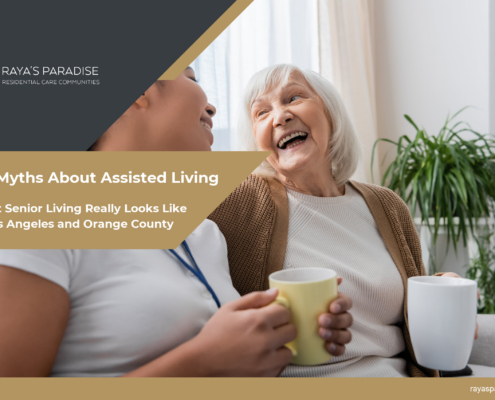 https://rayasparadise.com/wp-content/uploads/2012/10/Six-Myths-About-Assisted-Living.jpg
1702
2555
Moti Gamburd
https://rayasparadise.com//wp-content/uploads/2019/07/RP-LOGO-Horizontal-Name-Only-websitetrans.png
Moti Gamburd2026-02-09 04:02:312026-10-12 22:57:13Six Myths About Assisted Living - What Senior Living Really Looks Like
https://rayasparadise.com/wp-content/uploads/2012/10/Six-Myths-About-Assisted-Living.jpg
1702
2555
Moti Gamburd
https://rayasparadise.com//wp-content/uploads/2019/07/RP-LOGO-Horizontal-Name-Only-websitetrans.png
Moti Gamburd2026-02-09 04:02:312026-10-12 22:57:13Six Myths About Assisted Living - What Senior Living Really Looks Like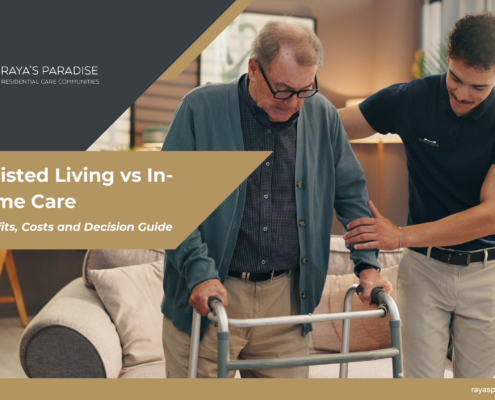 https://rayasparadise.com/wp-content/uploads/2026/02/Assisted-Living-vs-In-Home-Care.jpg
1695
2553
Moti Gamburd
https://rayasparadise.com//wp-content/uploads/2019/07/RP-LOGO-Horizontal-Name-Only-websitetrans.png
Moti Gamburd2026-02-08 06:00:482026-10-12 22:58:19The Benefits of Assisted Living Over In-Home Care
https://rayasparadise.com/wp-content/uploads/2026/02/Assisted-Living-vs-In-Home-Care.jpg
1695
2553
Moti Gamburd
https://rayasparadise.com//wp-content/uploads/2019/07/RP-LOGO-Horizontal-Name-Only-websitetrans.png
Moti Gamburd2026-02-08 06:00:482026-10-12 22:58:19The Benefits of Assisted Living Over In-Home Care https://rayasparadise.com/wp-content/uploads/2013/01/Caring-for-a-Parent-in-Assisted-Living-From-Afar.jpeg
1702
2556
Moti Gamburd
https://rayasparadise.com//wp-content/uploads/2019/07/RP-LOGO-Horizontal-Name-Only-websitetrans.png
Moti Gamburd2026-02-06 08:00:312026-10-12 22:12:38How to Care for a Loved One in Assisted Living From Afar
https://rayasparadise.com/wp-content/uploads/2013/01/Caring-for-a-Parent-in-Assisted-Living-From-Afar.jpeg
1702
2556
Moti Gamburd
https://rayasparadise.com//wp-content/uploads/2019/07/RP-LOGO-Horizontal-Name-Only-websitetrans.png
Moti Gamburd2026-02-06 08:00:312026-10-12 22:12:38How to Care for a Loved One in Assisted Living From Afar https://rayasparadise.com/wp-content/uploads/2012/10/Smooth-Transition-to-Assisted-Living.jpeg
1696
2555
Moti Gamburd
https://rayasparadise.com//wp-content/uploads/2019/07/RP-LOGO-Horizontal-Name-Only-websitetrans.png
Moti Gamburd2026-02-06 01:00:082026-10-12 22:58:44Making a Smooth Transition to Assisted Living
https://rayasparadise.com/wp-content/uploads/2012/10/Smooth-Transition-to-Assisted-Living.jpeg
1696
2555
Moti Gamburd
https://rayasparadise.com//wp-content/uploads/2019/07/RP-LOGO-Horizontal-Name-Only-websitetrans.png
Moti Gamburd2026-02-06 01:00:082026-10-12 22:58:44Making a Smooth Transition to Assisted Living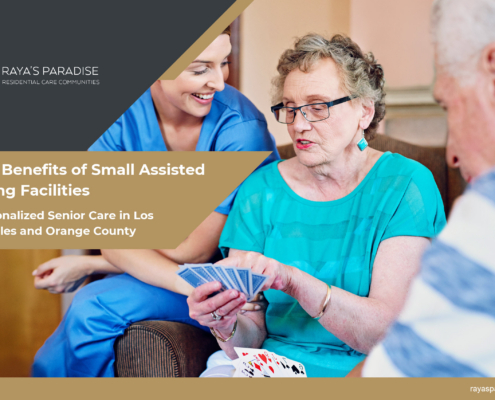 https://rayasparadise.com/wp-content/uploads/2012/10/Benefits-of-Small-Assisted-Living-Facilities.jpg
1702
2551
Moti Gamburd
https://rayasparadise.com//wp-content/uploads/2019/07/RP-LOGO-Horizontal-Name-Only-websitetrans.png
Moti Gamburd2026-02-04 04:23:062026-10-12 22:59:18The Benefits of Small Assisted Living Facilities
https://rayasparadise.com/wp-content/uploads/2012/10/Benefits-of-Small-Assisted-Living-Facilities.jpg
1702
2551
Moti Gamburd
https://rayasparadise.com//wp-content/uploads/2019/07/RP-LOGO-Horizontal-Name-Only-websitetrans.png
Moti Gamburd2026-02-04 04:23:062026-10-12 22:59:18The Benefits of Small Assisted Living Facilities https://rayasparadise.com/wp-content/uploads/2026/01/Tips-for-Selling-Your-Home-to-Pay-for-Assisted-Living.jpg
1702
2555
Moti Gamburd
https://rayasparadise.com//wp-content/uploads/2019/07/RP-LOGO-Horizontal-Name-Only-websitetrans.png
Moti Gamburd2026-01-22 04:00:552026-10-12 22:14:40Tips for Selling Your Home to Pay for Assisted Living
https://rayasparadise.com/wp-content/uploads/2026/01/Tips-for-Selling-Your-Home-to-Pay-for-Assisted-Living.jpg
1702
2555
Moti Gamburd
https://rayasparadise.com//wp-content/uploads/2019/07/RP-LOGO-Horizontal-Name-Only-websitetrans.png
Moti Gamburd2026-01-22 04:00:552026-10-12 22:14:40Tips for Selling Your Home to Pay for Assisted Living https://rayasparadise.com/wp-content/uploads/2012/10/Signs-Its-Time-for-Assisted-Living.jpg
1697
2555
Raya's Paradise
https://rayasparadise.com//wp-content/uploads/2019/07/RP-LOGO-Horizontal-Name-Only-websitetrans.png
Raya's Paradise2026-01-19 03:09:442026-10-12 22:15:27Signs It’s Time for Assisted Living, How to Know When Extra Support Is Needed
https://rayasparadise.com/wp-content/uploads/2012/10/Signs-Its-Time-for-Assisted-Living.jpg
1697
2555
Raya's Paradise
https://rayasparadise.com//wp-content/uploads/2019/07/RP-LOGO-Horizontal-Name-Only-websitetrans.png
Raya's Paradise2026-01-19 03:09:442026-10-12 22:15:27Signs It’s Time for Assisted Living, How to Know When Extra Support Is Needed https://rayasparadise.com/wp-content/uploads/2012/12/Downsizing-to-Prepare-for-Assisted-Living.jpeg
1704
2558
Moti Gamburd
https://rayasparadise.com//wp-content/uploads/2019/07/RP-LOGO-Horizontal-Name-Only-websitetrans.png
Moti Gamburd2026-01-13 04:02:202026-10-13 13:49:32Downsizing to Prepare for a Move to Assisted Living
https://rayasparadise.com/wp-content/uploads/2012/12/Downsizing-to-Prepare-for-Assisted-Living.jpeg
1704
2558
Moti Gamburd
https://rayasparadise.com//wp-content/uploads/2019/07/RP-LOGO-Horizontal-Name-Only-websitetrans.png
Moti Gamburd2026-01-13 04:02:202026-10-13 13:49:32Downsizing to Prepare for a Move to Assisted Living