
Contents
- Making a Smooth Transition to Assisted Living
- Key Takeaways
- Plan the Transition Like a Team Project
- Get the Home and Paperwork Ready Before Moving Day
- Help Your Loved One Feel at Home Fast
- What to Expect in the First 30 to 90 Days
- Special Situations, Memory Changes, Respite, and Hospice Support
- How Raya’s Paradise Can Help With the Next Step
- Sources & Additional Resources
- More Assisted Living Resources
- Choosing Assisted Living for Senior Couples
- History of Assisted Living |How the Option of Assisted Living Developed
- Choosing Assisted Living for Those with Alzheimer's or Dementia
- Paying for Assisted Living, Costs, Insurance, VA Benefits, and Smart Ways to Plan
- Six Myths About Assisted Living - What Senior Living Really Looks Like
- The Benefits of Assisted Living Over In-Home Care
- How to Care for a Loved One in Assisted Living From Afar
- Making a Smooth Transition to Assisted Living
- The Benefits of Small Assisted Living Facilities
- Tips for Selling Your Home to Pay for Assisted Living
- Signs It’s Time for Assisted Living, How to Know When Extra Support Is Needed
- Downsizing to Prepare for a Move to Assisted Living
- Discussing Assisted Living with a Reluctant Parent
- Does Assisted Living Provide Medical Care? Understanding Living Options and Care in Assisted Living Communities
- What Amenities Are Offered in Assisted Living? Services, Benefits, and Features for Residents

Making a Smooth Transition to Assisted Living
Move In Checklist, Family Plan & Emotional Support in Los Angeles and Orange County
Key Takeaways
- Start with a shared family plan, clear roles, and a realistic timeline.
- Make the move-in feel familiar fast, then focus on routine, connection, and small wins.
- An adjustment period is common and it often takes weeks to months, but timelines vary widely by person and situation.
- Have important paperwork squared away before a crisis, especially health care decisions and finances.
- Use checklists, tours, and care-plan questions to reduce last-minute stress.
Moving into assisted living is not just a change of address. It is a major life transition and it can stir up grief, relief, guilt, hope, and sometimes all of that in the same afternoon. The good news is that a smooth transition is not about doing everything perfectly, it is about having a plan, sharing the load, and creating steady reassurance while your loved one finds their footing.
If you want help mapping next steps: start by exploring our Raya’s Paradise communities, then connect with our team through the contact page. If you are ready for an in-person look, you can request a tour of our Los Angeles area community or schedule a visit at our San Clemente community.

Plan the Transition Like a Team Project
The most stressful moves are usually the ones that happen in pieces. A fall, a hospital stay, a caregiver quitting, and suddenly everything is urgent. If you have even a little runway, use it. Gather the key decision-makers and write down what has to happen, who owns it, and by when.
Here is a simple way to divide responsibilities without stepping on each other’s toes:
- Care lead: communicates with the community about needs, routines, medications, mobility, and preferences.
- Paperwork lead: handles admissions forms, insurance questions, physician paperwork, and contact lists.
- Home lead: coordinates downsizing, movers, donations, storage, and cleaning.
- Emotional support lead: focuses on reassurance, visits, and helping the senior feel heard.
If you are still deciding on timing, it helps to read through common signs it is time for assisted living. If the conversation is tense or your loved one is resistant, this guide on talking with a reluctant parent about assisted living can make the next discussion calmer and more productive.
When you are comparing care settings, get familiar with what support actually looks like day to day. A quick primer is how assisted living works. If you are looking locally, you can also explore assisted living services and options for assisted living in Orange County.

Get the Home and Paperwork Ready Before Moving Day
Moving day goes better when the “backstage” work is done early. That means paperwork, medications, key documents, and a downsizing plan that respects your loved one’s dignity.
Downsizing without heartbreak
Downsizing is emotional because it is not really about stuff. It is about identity, memories, and independence. Give it time. Use short sessions. Let your loved one choose what represents their story. If you need a step-by-step process, use this downsizing guide for an assisted living move.
Move-in essentials that reduce stress
Instead of guessing, follow a proven checklist. This resource is built for families who want a clear plan: assisted living move-in checklist with a printable PDF.
Also prepare a “care snapshot” to hand to staff on day one:
- Medication list, pharmacy info, allergies, preferred doctors
- Daily routines (wake time, shower preferences, favorite snacks, sleep habits)
- Mobility and fall risk notes (walker use, transfer help, footwear needs)
- Triggers and comforts (what calms anxiety, favorite music, topics to avoid)
- Family contact list and best times to reach you
Important conversations about decision-making
Even when the move feels “non-medical,” paperwork matters. Families tend to regret waiting until an emergency. Consider discussing who can make financial decisions, who can make health care decisions, and what your loved one wants if they cannot speak for themselves. For California-specific resources, the California Secretary of State advance health care directive registry information is a helpful starting point. For a plain-language overview of how a power of attorney works, the Orange County Superior Court power of attorney guide is easy to understand.

Help Your Loved One Feel at Home Fast
A warm transition usually depends on two things, familiarity and routine. The environment may be new but the feeling does not have to be.
Focus on a few high-impact items first:
- A favorite quilt or bedspread, a familiar pillow, a throw that feels like home
- Photos that spark stories, a simple framed family photo near the bed
- A small lamp with warm light (harsh overhead lighting can feel institutional)
- A familiar scent, like a favorite lotion or a mild room spray (used thoughtfully)
- A clock and calendar that are easy to read
Then help your loved one build small rituals. Morning coffee at the same time. A daily walk. A regular phone call after dinner. These routines become anchors in a new place.
It also helps to talk about what “community life” actually includes. Some seniors worry assisted living means sitting around all day. In reality, good programming can create structure, laughter, and connection. This overview of assisted living amenities and daily life benefits can help reframe expectations in a more hopeful way.
What to Expect in the First 30 to 90 Days
The first few weeks can be bumpy, even when the community is excellent. It is normal to see sadness, irritability, or second-guessing. Many seniors grieve their home and their old routines, even if they know the move is safer.
Here is what tends to help most:
- Keep visits steady but not constant. Too many visits can unintentionally prevent your loved one from building new connections. Aim for consistency and space.
- Bring positivity but do not force it. “You have to love it” creates pressure. Instead try, “It is okay to take time. I am here.”
- Watch patterns, not single moments. A bad day is not a verdict. Look for trends over weeks.
- Partner with staff. Share what works. Ask what they are noticing. Follow up calmly.
If you want a structured way to evaluate any community you are touring, use this assisted living facility tour checklist. It helps families notice the details that matter when emotions run high.
Special Situations, Memory Changes, Respite, and Hospice Support
If memory loss is part of the story, transitions often require extra patience and structure. Confusion, anxiety, wandering risk, and changes in sleep can intensify during a move, especially for people living with dementia. In those cases, it can be safer to explore dementia-informed support through Raya’s Paradise memory care services or, for families in South Orange County, memory care in Orange County.
Sometimes families need a bridge, not a forever decision. A short-term respite care stay can give everyone breathing room after hospitalization, during caregiver burnout, or while the family works through next steps.
For seniors with advanced illness, families may also be navigating end-of-life planning. Assisted living communities often work alongside outside hospice providers so residents can receive hospice services where they live, depending on the resident’s needs and the provider’s policies. If that is part of your situation, you can learn about our role in coordinating comfort-focused support through hospice care services.
How Raya’s Paradise Can Help With the Next Step
If you want a caring guide through the transition, our team can help you think through timing, level of care, and what a realistic first month looks like. Start by reviewing our community locations, then reach out via our contact page. When you are ready, request a tour in Los Angeles or San Clemente.
See the Raya’s Paradise Senior Assisted Living Community in Orange County
See Our Los Angeles Assisted Living Homes
Sources & Additional Resources
California Secretary of State guidance on the Advance Health Care Directive Registry
Orange County Superior Court overview of power of attorney in California
California Department of Social Services RCFE resident personal rights form (LIC 613C-2)
Disclaimer:
This guide is general information, not medical advice, legal advice, or financial advice. For personal guidance, consult qualified professionals.
 https://rayasparadise.com/wp-content/uploads/2013/03/Choosing-Assisted-Living-for-Senior-Couples.jpg
1700
2555
Moti Gamburd
https://rayasparadise.com//wp-content/uploads/2019/07/RP-LOGO-Horizontal-Name-Only-websitetrans.png
Moti Gamburd2026-02-14 06:37:342026-02-15 16:24:24Choosing Assisted Living for Senior Couples
https://rayasparadise.com/wp-content/uploads/2013/03/Choosing-Assisted-Living-for-Senior-Couples.jpg
1700
2555
Moti Gamburd
https://rayasparadise.com//wp-content/uploads/2019/07/RP-LOGO-Horizontal-Name-Only-websitetrans.png
Moti Gamburd2026-02-14 06:37:342026-02-15 16:24:24Choosing Assisted Living for Senior Couples https://rayasparadise.com/wp-content/uploads/2012/12/How-the-Option-of-Assisted-Living-Developed.jpg
1702
2553
Moti Gamburd
https://rayasparadise.com//wp-content/uploads/2019/07/RP-LOGO-Horizontal-Name-Only-websitetrans.png
Moti Gamburd2026-02-12 04:33:042026-02-14 21:30:20History of Assisted Living |How the Option of Assisted Living Developed
https://rayasparadise.com/wp-content/uploads/2012/12/How-the-Option-of-Assisted-Living-Developed.jpg
1702
2553
Moti Gamburd
https://rayasparadise.com//wp-content/uploads/2019/07/RP-LOGO-Horizontal-Name-Only-websitetrans.png
Moti Gamburd2026-02-12 04:33:042026-02-14 21:30:20History of Assisted Living |How the Option of Assisted Living Developed https://rayasparadise.com/wp-content/uploads/2012/10/Choosing-Assisted-Living-for-Those-with-Alzheimers-or-Dementia.jpeg
1695
2546
Moti Gamburd
https://rayasparadise.com//wp-content/uploads/2019/07/RP-LOGO-Horizontal-Name-Only-websitetrans.png
Moti Gamburd2026-02-11 08:14:422026-02-14 20:05:38Choosing Assisted Living for Those with Alzheimer's or Dementia
https://rayasparadise.com/wp-content/uploads/2012/10/Choosing-Assisted-Living-for-Those-with-Alzheimers-or-Dementia.jpeg
1695
2546
Moti Gamburd
https://rayasparadise.com//wp-content/uploads/2019/07/RP-LOGO-Horizontal-Name-Only-websitetrans.png
Moti Gamburd2026-02-11 08:14:422026-02-14 20:05:38Choosing Assisted Living for Those with Alzheimer's or Dementia https://rayasparadise.com/wp-content/uploads/2012/10/Paying-for-Assisted-Living.jpg
1700
2542
Moti Gamburd
https://rayasparadise.com//wp-content/uploads/2019/07/RP-LOGO-Horizontal-Name-Only-websitetrans.png
Moti Gamburd2026-02-10 03:30:062026-02-11 17:07:19Paying for Assisted Living, Costs, Insurance, VA Benefits, and Smart Ways to Plan
https://rayasparadise.com/wp-content/uploads/2012/10/Paying-for-Assisted-Living.jpg
1700
2542
Moti Gamburd
https://rayasparadise.com//wp-content/uploads/2019/07/RP-LOGO-Horizontal-Name-Only-websitetrans.png
Moti Gamburd2026-02-10 03:30:062026-02-11 17:07:19Paying for Assisted Living, Costs, Insurance, VA Benefits, and Smart Ways to Plan https://rayasparadise.com/wp-content/uploads/2012/10/Six-Myths-About-Assisted-Living.jpg
1702
2555
Moti Gamburd
https://rayasparadise.com//wp-content/uploads/2019/07/RP-LOGO-Horizontal-Name-Only-websitetrans.png
Moti Gamburd2026-02-09 04:02:312026-02-11 18:00:01Six Myths About Assisted Living - What Senior Living Really Looks Like
https://rayasparadise.com/wp-content/uploads/2012/10/Six-Myths-About-Assisted-Living.jpg
1702
2555
Moti Gamburd
https://rayasparadise.com//wp-content/uploads/2019/07/RP-LOGO-Horizontal-Name-Only-websitetrans.png
Moti Gamburd2026-02-09 04:02:312026-02-11 18:00:01Six Myths About Assisted Living - What Senior Living Really Looks Like https://rayasparadise.com/wp-content/uploads/2026/02/Assisted-Living-vs-In-Home-Care.jpg
1695
2553
Moti Gamburd
https://rayasparadise.com//wp-content/uploads/2019/07/RP-LOGO-Horizontal-Name-Only-websitetrans.png
Moti Gamburd2026-02-08 06:00:482026-02-15 17:35:09The Benefits of Assisted Living Over In-Home Care
https://rayasparadise.com/wp-content/uploads/2026/02/Assisted-Living-vs-In-Home-Care.jpg
1695
2553
Moti Gamburd
https://rayasparadise.com//wp-content/uploads/2019/07/RP-LOGO-Horizontal-Name-Only-websitetrans.png
Moti Gamburd2026-02-08 06:00:482026-02-15 17:35:09The Benefits of Assisted Living Over In-Home Care https://rayasparadise.com/wp-content/uploads/2013/01/Caring-for-a-Parent-in-Assisted-Living-From-Afar.jpeg
1702
2556
Moti Gamburd
https://rayasparadise.com//wp-content/uploads/2019/07/RP-LOGO-Horizontal-Name-Only-websitetrans.png
Moti Gamburd2026-02-06 08:00:312026-02-13 00:13:06How to Care for a Loved One in Assisted Living From Afar
https://rayasparadise.com/wp-content/uploads/2013/01/Caring-for-a-Parent-in-Assisted-Living-From-Afar.jpeg
1702
2556
Moti Gamburd
https://rayasparadise.com//wp-content/uploads/2019/07/RP-LOGO-Horizontal-Name-Only-websitetrans.png
Moti Gamburd2026-02-06 08:00:312026-02-13 00:13:06How to Care for a Loved One in Assisted Living From Afar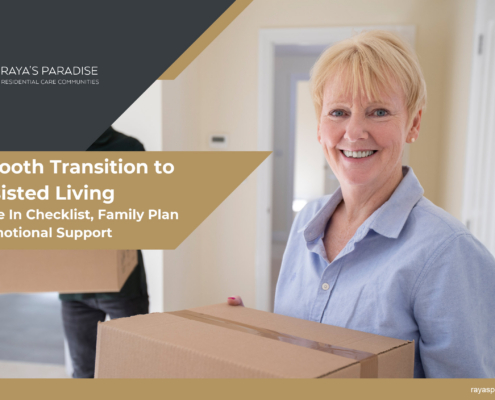 https://rayasparadise.com/wp-content/uploads/2012/10/Smooth-Transition-to-Assisted-Living.jpeg
1696
2555
Moti Gamburd
https://rayasparadise.com//wp-content/uploads/2019/07/RP-LOGO-Horizontal-Name-Only-websitetrans.png
Moti Gamburd2026-02-06 01:00:082026-02-12 23:35:09Making a Smooth Transition to Assisted Living
https://rayasparadise.com/wp-content/uploads/2012/10/Smooth-Transition-to-Assisted-Living.jpeg
1696
2555
Moti Gamburd
https://rayasparadise.com//wp-content/uploads/2019/07/RP-LOGO-Horizontal-Name-Only-websitetrans.png
Moti Gamburd2026-02-06 01:00:082026-02-12 23:35:09Making a Smooth Transition to Assisted Living https://rayasparadise.com/wp-content/uploads/2012/10/Benefits-of-Small-Assisted-Living-Facilities.jpg
1702
2551
Moti Gamburd
https://rayasparadise.com//wp-content/uploads/2019/07/RP-LOGO-Horizontal-Name-Only-websitetrans.png
Moti Gamburd2026-02-04 04:23:062026-02-11 19:20:11The Benefits of Small Assisted Living Facilities
https://rayasparadise.com/wp-content/uploads/2012/10/Benefits-of-Small-Assisted-Living-Facilities.jpg
1702
2551
Moti Gamburd
https://rayasparadise.com//wp-content/uploads/2019/07/RP-LOGO-Horizontal-Name-Only-websitetrans.png
Moti Gamburd2026-02-04 04:23:062026-02-11 19:20:11The Benefits of Small Assisted Living Facilities https://rayasparadise.com/wp-content/uploads/2026/01/Tips-for-Selling-Your-Home-to-Pay-for-Assisted-Living.jpg
1702
2555
Moti Gamburd
https://rayasparadise.com//wp-content/uploads/2019/07/RP-LOGO-Horizontal-Name-Only-websitetrans.png
Moti Gamburd2026-01-22 04:00:552026-01-22 18:04:19Tips for Selling Your Home to Pay for Assisted Living
https://rayasparadise.com/wp-content/uploads/2026/01/Tips-for-Selling-Your-Home-to-Pay-for-Assisted-Living.jpg
1702
2555
Moti Gamburd
https://rayasparadise.com//wp-content/uploads/2019/07/RP-LOGO-Horizontal-Name-Only-websitetrans.png
Moti Gamburd2026-01-22 04:00:552026-01-22 18:04:19Tips for Selling Your Home to Pay for Assisted Living https://rayasparadise.com/wp-content/uploads/2012/10/Signs-Its-Time-for-Assisted-Living.jpg
1697
2555
Raya's Paradise
https://rayasparadise.com//wp-content/uploads/2019/07/RP-LOGO-Horizontal-Name-Only-websitetrans.png
Raya's Paradise2026-01-19 03:09:442026-01-20 17:17:15Signs It’s Time for Assisted Living, How to Know When Extra Support Is Needed
https://rayasparadise.com/wp-content/uploads/2012/10/Signs-Its-Time-for-Assisted-Living.jpg
1697
2555
Raya's Paradise
https://rayasparadise.com//wp-content/uploads/2019/07/RP-LOGO-Horizontal-Name-Only-websitetrans.png
Raya's Paradise2026-01-19 03:09:442026-01-20 17:17:15Signs It’s Time for Assisted Living, How to Know When Extra Support Is Needed https://rayasparadise.com/wp-content/uploads/2012/12/Downsizing-to-Prepare-for-Assisted-Living.jpeg
1704
2558
Moti Gamburd
https://rayasparadise.com//wp-content/uploads/2019/07/RP-LOGO-Horizontal-Name-Only-websitetrans.png
Moti Gamburd2026-01-13 04:02:202026-01-15 22:28:54Downsizing to Prepare for a Move to Assisted Living
https://rayasparadise.com/wp-content/uploads/2012/12/Downsizing-to-Prepare-for-Assisted-Living.jpeg
1704
2558
Moti Gamburd
https://rayasparadise.com//wp-content/uploads/2019/07/RP-LOGO-Horizontal-Name-Only-websitetrans.png
Moti Gamburd2026-01-13 04:02:202026-01-15 22:28:54Downsizing to Prepare for a Move to Assisted Living https://rayasparadise.com/wp-content/uploads/2012/11/How-to-Discuss-Assisted-Living-With-a-Reluctant-Parent.jpeg
1704
2553
Moti Gamburd
https://rayasparadise.com//wp-content/uploads/2019/07/RP-LOGO-Horizontal-Name-Only-websitetrans.png
Moti Gamburd2026-01-12 02:33:232026-01-15 23:41:56Discussing Assisted Living with a Reluctant Parent
https://rayasparadise.com/wp-content/uploads/2012/11/How-to-Discuss-Assisted-Living-With-a-Reluctant-Parent.jpeg
1704
2553
Moti Gamburd
https://rayasparadise.com//wp-content/uploads/2019/07/RP-LOGO-Horizontal-Name-Only-websitetrans.png
Moti Gamburd2026-01-12 02:33:232026-01-15 23:41:56Discussing Assisted Living with a Reluctant Parent https://rayasparadise.com/wp-content/uploads/2025/08/Does-Assisted-Living-Provide-Medical-Care.jpg
1704
2548
Raya's Paradise
https://rayasparadise.com//wp-content/uploads/2019/07/RP-LOGO-Horizontal-Name-Only-websitetrans.png
Raya's Paradise2025-08-27 20:32:462026-01-14 19:35:28Does Assisted Living Provide Medical Care? Understanding Living Options and Care in Assisted Living Communities
https://rayasparadise.com/wp-content/uploads/2025/08/Does-Assisted-Living-Provide-Medical-Care.jpg
1704
2548
Raya's Paradise
https://rayasparadise.com//wp-content/uploads/2019/07/RP-LOGO-Horizontal-Name-Only-websitetrans.png
Raya's Paradise2025-08-27 20:32:462026-01-14 19:35:28Does Assisted Living Provide Medical Care? Understanding Living Options and Care in Assisted Living Communities https://rayasparadise.com/wp-content/uploads/2025/08/What-Amenities-Are-Offered-In-Assisted-Living.jpg
1080
1621
Raya's Paradise
https://rayasparadise.com//wp-content/uploads/2019/07/RP-LOGO-Horizontal-Name-Only-websitetrans.png
Raya's Paradise2025-08-27 16:58:562025-10-22 19:10:12What Amenities Are Offered in Assisted Living? Services, Benefits, and Features for Residents
https://rayasparadise.com/wp-content/uploads/2025/08/What-Amenities-Are-Offered-In-Assisted-Living.jpg
1080
1621
Raya's Paradise
https://rayasparadise.com//wp-content/uploads/2019/07/RP-LOGO-Horizontal-Name-Only-websitetrans.png
Raya's Paradise2025-08-27 16:58:562025-10-22 19:10:12What Amenities Are Offered in Assisted Living? Services, Benefits, and Features for Residents
