
Contents
- Six Myths About Assisted Living
- Key Takeaways | Six Myths About Assisted Living
- Myth 1 – Assisted Living Is the Same Thing as a Nursing Home
- Myth 2 – Medicare Pays for Assisted Living
- Myth 3 – The Food in Assisted Living Is Always Bad
- Myth 4 – Seniors With Alzheimer’s or Dementia Won’t Be Accepted
- Myth 5 – Assisted Living Always Has Poor Staffing or Bad Caregiver Ratios
- Myth 6 – Assisted Living Is Always Too Expensive to Consider
- How to Choose Assisted Living Confidently
- Tour With a Plan
- Sources & Additional Resources
- More Assisted Living Resources
- Choosing Assisted Living for Senior Couples
- History of Assisted Living |How the Option of Assisted Living Developed
- Choosing Assisted Living for Those with Alzheimer's or Dementia
- Paying for Assisted Living, Costs, Insurance, VA Benefits, and Smart Ways to Plan
- Six Myths About Assisted Living - What Senior Living Really Looks Like
- The Benefits of Assisted Living Over In-Home Care
- How to Care for a Loved One in Assisted Living From Afar
- Making a Smooth Transition to Assisted Living
- The Benefits of Small Assisted Living Facilities
- Tips for Selling Your Home to Pay for Assisted Living
- Signs It’s Time for Assisted Living, How to Know When Extra Support Is Needed
- Downsizing to Prepare for a Move to Assisted Living
- Discussing Assisted Living with a Reluctant Parent
- Does Assisted Living Provide Medical Care? Understanding Living Options and Care in Assisted Living Communities
- What Amenities Are Offered in Assisted Living? Services, Benefits, and Features for Residents

Six Myths About Assisted Living
What Senior Living Really Looks Like in Los Angeles and Orange County
Key Takeaways | Six Myths About Assisted Living
- Assisted living is not the same as a nursing home, the care model and daily life are different.
- Medicare generally does not pay for assisted living room and board, but it may cover Medicare-covered medical services.
- Food quality varies by community, many modern settings prioritize nutrition, culture, and enjoyment.
- Memory care needs do not automatically disqualify someone, the key is matching services to cognitive and safety needs.
- Staffing and caregiver ratios vary widely, asking the right questions matters more than assumptions.
- Assisted living can be more affordable than higher-acuity options when it’s the right clinical fit.
Assisted living is one of the most misunderstood parts of senior care. Families hear “horror stories” secondhand, they remember what senior living looked like decades ago, or they assume assisted living is basically a nursing home with nicer furniture. The result is a lot of stress, delay, and sometimes missed opportunities for a safer, more supported life.
This guide breaks down six of the most common myths about assisted living and what’s actually true in today’s communities across Los Angeles and Orange County. If you’re actively exploring options, start by browsing assisted living in Orange County and our broader assisted living services to see how support can be tailored as needs change.
If you want help comparing care levels, costs, and timing, contact Raya’s Paradise. A short call can quickly clarify what type of support fits your family and what questions to ask on tours.

Myth 1 – Assisted Living Is the Same Thing as a Nursing Home
Reality: Assisted living and nursing homes serve different needs. Assisted living is built for older adults who benefit from help with daily activities such as bathing, dressing, medication support, meals, mobility, transportation, or safety monitoring, while still wanting autonomy and a home-like setting. Nursing homes, also called skilled nursing facilities, are designed for people who need ongoing skilled medical care and close clinical oversight.
If you want a clearer definition of what assisted living typically includes today, read what assisted living is and how it works. If you are weighing different senior housing models, assisted living vs senior living options is also a helpful comparison.
Practical tip: When touring, ask what happens if care needs increase. Many families prefer providers with multiple support paths so transitions feel less disruptive. You can explore available options across Raya’s Paradise communities.

Myth 2 – Medicare Pays for Assisted Living
Reality: Medicare generally does not pay for assisted living room and board because assisted living is considered custodial care, not long-term medical care. However, Medicare may still cover Medicare-covered medical services while someone lives in assisted living, such as doctor visits, hospital care, certain therapies, and prescriptions depending on the person’s plan.
This is one of the reasons families often combine funding sources such as private pay, long-term care insurance, VA benefits, and other strategies. For a deeper breakdown, see how families pay for assisted living and what to plan for in real life.
Practical tip: Ask each community for a written cost sheet and a clear explanation of what’s included vs what triggers added charges. Then compare communities based on services, not just a headline number. If you want local context, assisted living costs in Los Angeles and Orange County can help you start with realistic expectations.

Myth 3 – The Food in Assisted Living Is Always Bad
Reality: Food quality varies by community, but the old stereotype of bland trays is increasingly outdated. Many assisted living settings emphasize home-style meals, flexible preferences, snacks, hydration, and an environment that encourages social connection, not isolation.
When you tour, ask to see a sample menu, ask how special diets are handled, and notice whether residents actually enjoy the dining experience. It’s also smart to evaluate the broader lifestyle and supports beyond meals. This overview of assisted living amenities that matter day to day can help you focus on what truly impacts quality of life.
Practical tip: If weight loss, missed meals, or kitchen safety concerns are part of the reason your family is considering a move, you may also want to review common signs it may be time for assisted living.
Myth 4 – Seniors With Alzheimer’s or Dementia Won’t Be Accepted
Reality: Cognitive change does not automatically mean someone is “not allowed” in assisted living. What matters is whether the community can safely meet the person’s needs and whether the facility is equipped and staffed to do so. Some assisted living settings provide limited support for mild memory issues, while others offer dedicated memory care for Alzheimer’s and dementia with enhanced safety, specialized programming, and dementia-trained staff.
If memory loss is already part of the picture, it’s usually better to evaluate options early rather than waiting for a crisis. You can explore memory care in Orange County and our broader memory care services to understand what specialized support can look like.
Practical tip: Ask how the community handles wandering risk, nighttime confusion, medication oversight, and changes in behavior. For families who want practical caregiving guidance, addressing agitation in dementia can help you recognize what support may be needed.
Myth 5 – Assisted Living Always Has Poor Staffing or Bad Caregiver Ratios
Reality: Staffing varies by provider, which is exactly why it should be evaluated instead of assumed. Some communities operate with excellent caregiver coverage and strong training, others do not. Ratios alone can also be misleading because acuity levels differ and support may be provided in different ways depending on resident needs and layout.
What to ask on every tour:
- How many caregivers are on duty by shift and how does that change overnight.
- What training staff receive in dementia care, fall prevention, medication support, and emergency response.
- How care plans are assessed, updated, and communicated with family.
- Whether the community coordinates with outside providers when needed.
Bring a structured tool so you don’t forget key questions. This assisted living facility tour checklist makes comparisons much easier.
Myth 6 – Assisted Living Is Always Too Expensive to Consider
Reality: “Expensive” depends on what level of care is needed and what’s included in the pricing. Assisted living can be less costly than nursing homes because it typically does not include 24-hour skilled nursing care. It can also be more cost-effective than patchwork solutions when families are paying for multiple services separately, plus the hidden costs of caregiver burnout.
Families usually make clearer decisions when they compare options using the same baseline, housing, meals, caregiving support, transportation, safety, and day-to-day oversight. If you want to explore the value side of the equation, this guide on assisted living benefits for seniors and families lays out what many people gain beyond basic assistance.
Practical tip: If paying for care is the main barrier, start by reviewing funding options such as insurance, home equity strategies, and earned benefits. You can also consider temporary support, including short-term respite care, while you finalize a longer-term plan.
How to Choose Assisted Living Confidently
Once the myths are out of the way, the process gets simpler. Not “easy” emotionally, but clearer.
Use a short decision framework
- Safety: Are there falls, medication errors, missed meals, isolation, or driving concerns.
- Support level: What daily help is needed now, what might be needed within a year.
- Fit: Does the environment feel calm, respectful, and engaged.
- Transparency: Are costs and care tiers explained in writing.
- Continuity: Is there a plan if memory needs or health needs change.
If you’re early in the process, it can also help to read assisted living vs independent living, especially for families debating whether “a little more help at home” is enough.
Tour With a Plan
Assisted living should feel like support, not surrender. The right community protects independence while making daily life safer and less stressful for everyone involved.
If you’re ready to take the next step, explore our assisted living communities in Los Angeles and Orange County, then schedule a San Clemente tour or request a Los Angeles tour. If you want help narrowing the choices first, reach out to Raya’s Paradise and we’ll point you in the right direction based on your family’s needs.
Our Assisted Living Community in Orange County
Our Assisted Living Homes in Los Angeles
Sources & Additional Resources
Medicare overview of long-term care coverage
National Institute on Aging guide to long-term care
California Department of Social Services Community Care Licensing information
California Department of Aging, Assisted Living Facilities (RCFEs) overview
California Department of Aging, Skilled Nursing Facilities overview
Disclaimer:
This article is for educational purposes only and does not provide medical, legal, or financial advice. Coverage rules and eligibility vary by individual situation, insurance plan, and program requirements. For personal guidance, consider speaking with a licensed professional.
 https://rayasparadise.com/wp-content/uploads/2013/03/Choosing-Assisted-Living-for-Senior-Couples.jpg
1700
2555
Moti Gamburd
https://rayasparadise.com//wp-content/uploads/2019/07/RP-LOGO-Horizontal-Name-Only-websitetrans.png
Moti Gamburd2026-02-14 06:37:342026-02-15 16:24:24Choosing Assisted Living for Senior Couples
https://rayasparadise.com/wp-content/uploads/2013/03/Choosing-Assisted-Living-for-Senior-Couples.jpg
1700
2555
Moti Gamburd
https://rayasparadise.com//wp-content/uploads/2019/07/RP-LOGO-Horizontal-Name-Only-websitetrans.png
Moti Gamburd2026-02-14 06:37:342026-02-15 16:24:24Choosing Assisted Living for Senior Couples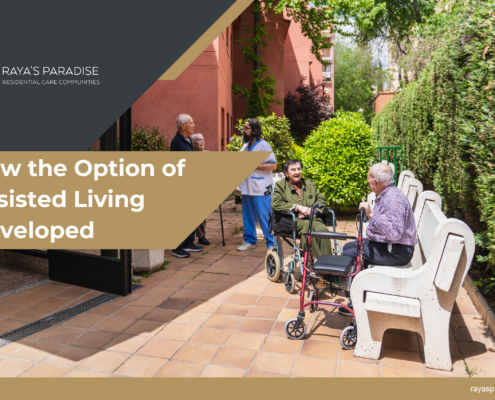 https://rayasparadise.com/wp-content/uploads/2012/12/How-the-Option-of-Assisted-Living-Developed.jpg
1702
2553
Moti Gamburd
https://rayasparadise.com//wp-content/uploads/2019/07/RP-LOGO-Horizontal-Name-Only-websitetrans.png
Moti Gamburd2026-02-12 04:33:042026-02-14 21:30:20History of Assisted Living |How the Option of Assisted Living Developed
https://rayasparadise.com/wp-content/uploads/2012/12/How-the-Option-of-Assisted-Living-Developed.jpg
1702
2553
Moti Gamburd
https://rayasparadise.com//wp-content/uploads/2019/07/RP-LOGO-Horizontal-Name-Only-websitetrans.png
Moti Gamburd2026-02-12 04:33:042026-02-14 21:30:20History of Assisted Living |How the Option of Assisted Living Developed https://rayasparadise.com/wp-content/uploads/2012/10/Choosing-Assisted-Living-for-Those-with-Alzheimers-or-Dementia.jpeg
1695
2546
Moti Gamburd
https://rayasparadise.com//wp-content/uploads/2019/07/RP-LOGO-Horizontal-Name-Only-websitetrans.png
Moti Gamburd2026-02-11 08:14:422026-02-14 20:05:38Choosing Assisted Living for Those with Alzheimer's or Dementia
https://rayasparadise.com/wp-content/uploads/2012/10/Choosing-Assisted-Living-for-Those-with-Alzheimers-or-Dementia.jpeg
1695
2546
Moti Gamburd
https://rayasparadise.com//wp-content/uploads/2019/07/RP-LOGO-Horizontal-Name-Only-websitetrans.png
Moti Gamburd2026-02-11 08:14:422026-02-14 20:05:38Choosing Assisted Living for Those with Alzheimer's or Dementia https://rayasparadise.com/wp-content/uploads/2012/10/Paying-for-Assisted-Living.jpg
1700
2542
Moti Gamburd
https://rayasparadise.com//wp-content/uploads/2019/07/RP-LOGO-Horizontal-Name-Only-websitetrans.png
Moti Gamburd2026-02-10 03:30:062026-02-11 17:07:19Paying for Assisted Living, Costs, Insurance, VA Benefits, and Smart Ways to Plan
https://rayasparadise.com/wp-content/uploads/2012/10/Paying-for-Assisted-Living.jpg
1700
2542
Moti Gamburd
https://rayasparadise.com//wp-content/uploads/2019/07/RP-LOGO-Horizontal-Name-Only-websitetrans.png
Moti Gamburd2026-02-10 03:30:062026-02-11 17:07:19Paying for Assisted Living, Costs, Insurance, VA Benefits, and Smart Ways to Plan https://rayasparadise.com/wp-content/uploads/2012/10/Six-Myths-About-Assisted-Living.jpg
1702
2555
Moti Gamburd
https://rayasparadise.com//wp-content/uploads/2019/07/RP-LOGO-Horizontal-Name-Only-websitetrans.png
Moti Gamburd2026-02-09 04:02:312026-02-11 18:00:01Six Myths About Assisted Living - What Senior Living Really Looks Like
https://rayasparadise.com/wp-content/uploads/2012/10/Six-Myths-About-Assisted-Living.jpg
1702
2555
Moti Gamburd
https://rayasparadise.com//wp-content/uploads/2019/07/RP-LOGO-Horizontal-Name-Only-websitetrans.png
Moti Gamburd2026-02-09 04:02:312026-02-11 18:00:01Six Myths About Assisted Living - What Senior Living Really Looks Like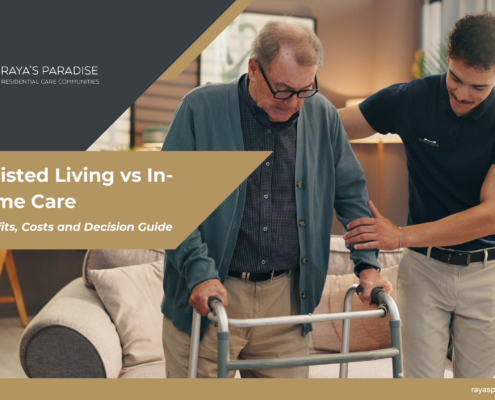 https://rayasparadise.com/wp-content/uploads/2026/02/Assisted-Living-vs-In-Home-Care.jpg
1695
2553
Moti Gamburd
https://rayasparadise.com//wp-content/uploads/2019/07/RP-LOGO-Horizontal-Name-Only-websitetrans.png
Moti Gamburd2026-02-08 06:00:482026-02-15 17:35:09The Benefits of Assisted Living Over In-Home Care
https://rayasparadise.com/wp-content/uploads/2026/02/Assisted-Living-vs-In-Home-Care.jpg
1695
2553
Moti Gamburd
https://rayasparadise.com//wp-content/uploads/2019/07/RP-LOGO-Horizontal-Name-Only-websitetrans.png
Moti Gamburd2026-02-08 06:00:482026-02-15 17:35:09The Benefits of Assisted Living Over In-Home Care https://rayasparadise.com/wp-content/uploads/2013/01/Caring-for-a-Parent-in-Assisted-Living-From-Afar.jpeg
1702
2556
Moti Gamburd
https://rayasparadise.com//wp-content/uploads/2019/07/RP-LOGO-Horizontal-Name-Only-websitetrans.png
Moti Gamburd2026-02-06 08:00:312026-02-13 00:13:06How to Care for a Loved One in Assisted Living From Afar
https://rayasparadise.com/wp-content/uploads/2013/01/Caring-for-a-Parent-in-Assisted-Living-From-Afar.jpeg
1702
2556
Moti Gamburd
https://rayasparadise.com//wp-content/uploads/2019/07/RP-LOGO-Horizontal-Name-Only-websitetrans.png
Moti Gamburd2026-02-06 08:00:312026-02-13 00:13:06How to Care for a Loved One in Assisted Living From Afar https://rayasparadise.com/wp-content/uploads/2012/10/Smooth-Transition-to-Assisted-Living.jpeg
1696
2555
Moti Gamburd
https://rayasparadise.com//wp-content/uploads/2019/07/RP-LOGO-Horizontal-Name-Only-websitetrans.png
Moti Gamburd2026-02-06 01:00:082026-02-12 23:35:09Making a Smooth Transition to Assisted Living
https://rayasparadise.com/wp-content/uploads/2012/10/Smooth-Transition-to-Assisted-Living.jpeg
1696
2555
Moti Gamburd
https://rayasparadise.com//wp-content/uploads/2019/07/RP-LOGO-Horizontal-Name-Only-websitetrans.png
Moti Gamburd2026-02-06 01:00:082026-02-12 23:35:09Making a Smooth Transition to Assisted Living https://rayasparadise.com/wp-content/uploads/2012/10/Benefits-of-Small-Assisted-Living-Facilities.jpg
1702
2551
Moti Gamburd
https://rayasparadise.com//wp-content/uploads/2019/07/RP-LOGO-Horizontal-Name-Only-websitetrans.png
Moti Gamburd2026-02-04 04:23:062026-02-11 19:20:11The Benefits of Small Assisted Living Facilities
https://rayasparadise.com/wp-content/uploads/2012/10/Benefits-of-Small-Assisted-Living-Facilities.jpg
1702
2551
Moti Gamburd
https://rayasparadise.com//wp-content/uploads/2019/07/RP-LOGO-Horizontal-Name-Only-websitetrans.png
Moti Gamburd2026-02-04 04:23:062026-02-11 19:20:11The Benefits of Small Assisted Living Facilities https://rayasparadise.com/wp-content/uploads/2026/01/Tips-for-Selling-Your-Home-to-Pay-for-Assisted-Living.jpg
1702
2555
Moti Gamburd
https://rayasparadise.com//wp-content/uploads/2019/07/RP-LOGO-Horizontal-Name-Only-websitetrans.png
Moti Gamburd2026-01-22 04:00:552026-01-22 18:04:19Tips for Selling Your Home to Pay for Assisted Living
https://rayasparadise.com/wp-content/uploads/2026/01/Tips-for-Selling-Your-Home-to-Pay-for-Assisted-Living.jpg
1702
2555
Moti Gamburd
https://rayasparadise.com//wp-content/uploads/2019/07/RP-LOGO-Horizontal-Name-Only-websitetrans.png
Moti Gamburd2026-01-22 04:00:552026-01-22 18:04:19Tips for Selling Your Home to Pay for Assisted Living https://rayasparadise.com/wp-content/uploads/2012/10/Signs-Its-Time-for-Assisted-Living.jpg
1697
2555
Raya's Paradise
https://rayasparadise.com//wp-content/uploads/2019/07/RP-LOGO-Horizontal-Name-Only-websitetrans.png
Raya's Paradise2026-01-19 03:09:442026-01-20 17:17:15Signs It’s Time for Assisted Living, How to Know When Extra Support Is Needed
https://rayasparadise.com/wp-content/uploads/2012/10/Signs-Its-Time-for-Assisted-Living.jpg
1697
2555
Raya's Paradise
https://rayasparadise.com//wp-content/uploads/2019/07/RP-LOGO-Horizontal-Name-Only-websitetrans.png
Raya's Paradise2026-01-19 03:09:442026-01-20 17:17:15Signs It’s Time for Assisted Living, How to Know When Extra Support Is Needed https://rayasparadise.com/wp-content/uploads/2012/12/Downsizing-to-Prepare-for-Assisted-Living.jpeg
1704
2558
Moti Gamburd
https://rayasparadise.com//wp-content/uploads/2019/07/RP-LOGO-Horizontal-Name-Only-websitetrans.png
Moti Gamburd2026-01-13 04:02:202026-01-15 22:28:54Downsizing to Prepare for a Move to Assisted Living
https://rayasparadise.com/wp-content/uploads/2012/12/Downsizing-to-Prepare-for-Assisted-Living.jpeg
1704
2558
Moti Gamburd
https://rayasparadise.com//wp-content/uploads/2019/07/RP-LOGO-Horizontal-Name-Only-websitetrans.png
Moti Gamburd2026-01-13 04:02:202026-01-15 22:28:54Downsizing to Prepare for a Move to Assisted Living https://rayasparadise.com/wp-content/uploads/2012/11/How-to-Discuss-Assisted-Living-With-a-Reluctant-Parent.jpeg
1704
2553
Moti Gamburd
https://rayasparadise.com//wp-content/uploads/2019/07/RP-LOGO-Horizontal-Name-Only-websitetrans.png
Moti Gamburd2026-01-12 02:33:232026-01-15 23:41:56Discussing Assisted Living with a Reluctant Parent
https://rayasparadise.com/wp-content/uploads/2012/11/How-to-Discuss-Assisted-Living-With-a-Reluctant-Parent.jpeg
1704
2553
Moti Gamburd
https://rayasparadise.com//wp-content/uploads/2019/07/RP-LOGO-Horizontal-Name-Only-websitetrans.png
Moti Gamburd2026-01-12 02:33:232026-01-15 23:41:56Discussing Assisted Living with a Reluctant Parent https://rayasparadise.com/wp-content/uploads/2025/08/Does-Assisted-Living-Provide-Medical-Care.jpg
1704
2548
Raya's Paradise
https://rayasparadise.com//wp-content/uploads/2019/07/RP-LOGO-Horizontal-Name-Only-websitetrans.png
Raya's Paradise2025-08-27 20:32:462026-01-14 19:35:28Does Assisted Living Provide Medical Care? Understanding Living Options and Care in Assisted Living Communities
https://rayasparadise.com/wp-content/uploads/2025/08/Does-Assisted-Living-Provide-Medical-Care.jpg
1704
2548
Raya's Paradise
https://rayasparadise.com//wp-content/uploads/2019/07/RP-LOGO-Horizontal-Name-Only-websitetrans.png
Raya's Paradise2025-08-27 20:32:462026-01-14 19:35:28Does Assisted Living Provide Medical Care? Understanding Living Options and Care in Assisted Living Communities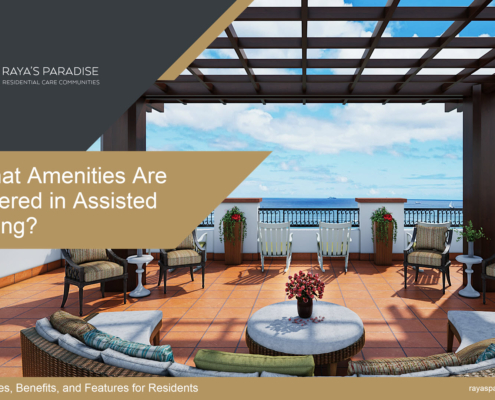 https://rayasparadise.com/wp-content/uploads/2025/08/What-Amenities-Are-Offered-In-Assisted-Living.jpg
1080
1621
Raya's Paradise
https://rayasparadise.com//wp-content/uploads/2019/07/RP-LOGO-Horizontal-Name-Only-websitetrans.png
Raya's Paradise2025-08-27 16:58:562025-10-22 19:10:12What Amenities Are Offered in Assisted Living? Services, Benefits, and Features for Residents
https://rayasparadise.com/wp-content/uploads/2025/08/What-Amenities-Are-Offered-In-Assisted-Living.jpg
1080
1621
Raya's Paradise
https://rayasparadise.com//wp-content/uploads/2019/07/RP-LOGO-Horizontal-Name-Only-websitetrans.png
Raya's Paradise2025-08-27 16:58:562025-10-22 19:10:12What Amenities Are Offered in Assisted Living? Services, Benefits, and Features for Residents
