
Contents
- The Benefits of Small Assisted Living Facilities
- Key Takeaways | Benefits of Small Assisted Living Facilities
- Personalized and Responsive Care in Smaller Assisted Living Homes
- Stronger Communication With Families and Decision Makers
- A More Comfortable and Less Institutional Environment
- Greater Flexibility in Daily Routines
- Licensing and Quality Standards Apply to All Sizes
- How to Decide If a Small Assisted Living Home Is Right for You
- Next Step | Explore Small Assisted Living Options in Southern California
- Sources & Additional Resources
- More Assisted Living Resources
- Choosing Assisted Living for Senior Couples
- History of Assisted Living |How the Option of Assisted Living Developed
- Choosing Assisted Living for Those with Alzheimer's or Dementia
- Paying for Assisted Living, Costs, Insurance, VA Benefits, and Smart Ways to Plan
- Six Myths About Assisted Living - What Senior Living Really Looks Like
- The Benefits of Assisted Living Over In-Home Care
- How to Care for a Loved One in Assisted Living From Afar
- Making a Smooth Transition to Assisted Living
- The Benefits of Small Assisted Living Facilities
- Tips for Selling Your Home to Pay for Assisted Living
- Signs It’s Time for Assisted Living, How to Know When Extra Support Is Needed
- Downsizing to Prepare for a Move to Assisted Living
- Discussing Assisted Living with a Reluctant Parent
- Does Assisted Living Provide Medical Care? Understanding Living Options and Care in Assisted Living Communities
- What Amenities Are Offered in Assisted Living? Services, Benefits, and Features for Residents
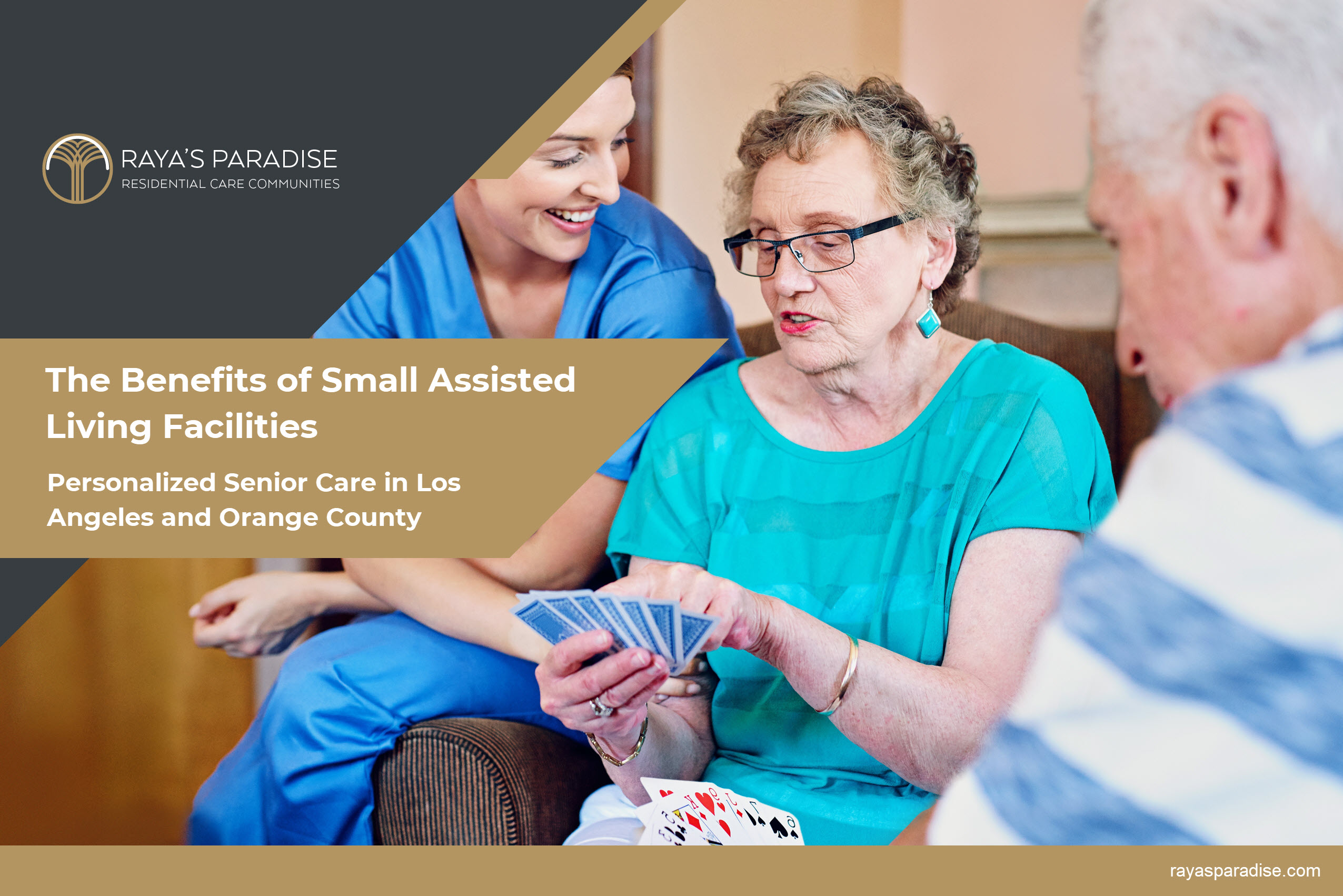
The Benefits of Small Assisted Living Facilities
Personalized Senior Care in Los Angeles and Orange County
Key Takeaways | Benefits of Small Assisted Living Facilities
- Small assisted living homes must meet state licensing requirements, although some requirements can vary by licensed capacity and resident needs.
- Lower resident counts often allow for more personalized, responsive care.
- Communication with staff and leadership is typically more direct and accessible.
- Smaller environments can reduce stress, especially for seniors with memory loss.
- Strong caregiver relationships often lead to greater trust and emotional comfort.
When families begin searching for assisted living, they often assume that larger communities automatically mean better resources, more services, and higher quality care. Bigger feels safer. Bigger feels more established.
But in senior care, that assumption is not always accurate. In fact, many families across Los Angeles and Orange County intentionally choose smaller residential care homes because of the personalized attention, flexibility, and calm environment they provide.
If you are exploring options, you can start by reviewing our assisted living services and browsing our Raya’s Paradise communities to see how smaller settings can feel both professional and personal.
If you are unsure whether a small assisted living home or a larger community is the right fit, contact our team for guidance. A short conversation can help you narrow the field quickly.

Personalized and Responsive Care in Smaller Assisted Living Homes
One of the biggest advantages of a smaller assisted living facility is the ability to provide customized, attentive care. When there are fewer residents, caregivers naturally become more familiar with individual routines, preferences, and subtle changes in health or behavior.
In larger settings, staff may rotate frequently across wings or departments. In smaller residential care homes, caregivers often work with the same residents consistently. This continuity helps staff notice early warning signs such as appetite changes, mobility shifts, mood differences, or confusion that might otherwise go unnoticed.
Smaller homes also can be structured in ways that allow more responsive coverage. Exact staffing approaches vary by provider and resident needs, but when help is needed, response time can be faster.
If you are comparing care models, reviewing what assisted living is and how it works can help clarify how personalized care plans are structured.
Practical tip: Ask how often care plans are updated and whether the same caregivers regularly assist your loved one. Consistency matters more than size alone.

Stronger Communication With Families and Decision Makers
In smaller assisted living environments, communication tends to be more direct and personal. When families call with questions or concerns, they are often speaking with someone who knows their loved one personally.
Because management layers are typically fewer, it is easier to reach a decision maker quickly. That responsiveness can make a meaningful difference during moments of uncertainty or change.
In larger institutions, multiple administrative levels can slow communication. Smaller homes often eliminate those barriers, creating a more transparent and approachable environment.
When touring any community, use a structured framework such as an assisted living facility tour checklist to evaluate communication practices clearly.
Practical tip: Ask who you would contact after hours and how families are notified if care needs change.

A More Comfortable and Less Institutional Environment
Environment matters more than many families realize. Smaller assisted living homes often feel like residential houses rather than hotel-style facilities. That familiar layout can make adaptation easier, especially during a major life transition.
Residents may dine at shared tables rather than in large cafeterias. Living spaces feel cozier. Noise levels are typically lower. There is less foot traffic and fewer unfamiliar faces throughout the day.
For seniors with Alzheimer’s or other forms of dementia, simpler layouts and fewer environmental stressors may help reduce confusion and agitation. If memory changes are part of your decision process, reviewing memory care in Orange County and broader memory care services can help you understand how environment supports safety.
Practical tip: During a tour, notice lighting, noise levels, hallway length, and how easily residents move around the space. Comfort is often visible.
Greater Flexibility in Daily Routines
Large communities often require structured schedules to coordinate dozens or even hundreds of residents. While organization is necessary, rigidity can sometimes limit personalization.
Smaller assisted living homes are often more adaptable. Meal timing, activity participation, wake and sleep routines, and social engagement can be adjusted more easily around individual habits.
That flexibility supports autonomy. Seniors are more likely to feel that they are living in a home rather than being managed by an institution.
If you are weighing options, comparing assisted living vs senior living options can help clarify which environment best supports independence while still ensuring safety.
Licensing and Quality Standards Apply to All Sizes
It is important to remember that small assisted living homes must meet state licensing requirements just like larger facilities. In California, Residential Care Facilities for the Elderly operate under state oversight and inspection.
Size does not exempt a facility from safety standards, staffing requirements intended to meet resident needs, background checks, or care planning requirements. Some operational requirements can vary by licensed capacity and the needs of residents.
When researching providers, verify licensing status and inspection history. Then focus on culture, communication, staffing, and resident experience.
How to Decide If a Small Assisted Living Home Is Right for You
Small assisted living facilities are not automatically the best fit for every senior. Some individuals prefer larger campuses with extensive amenities and broader activity calendars. Others value intimacy, quiet, and closer caregiver relationships.
- Care needs: Does your loved one require frequent hands-on support or closer supervision.
- Environment preference: Do they prefer a quieter, residential setting or a busier, campus-style community.
- Communication style: Do you want direct access to leadership and caregivers.
- Future planning: Can the community adapt if care needs increase.
If you are still early in the process, reading signs it may be time for assisted living can help clarify timing before narrowing down size preferences.
Next Step | Explore Small Assisted Living Options in Southern California
Smaller assisted living homes can offer personalized care, faster response times, stronger communication, and a warm environment that feels more like home than an institution.
If that sounds like the right direction for your family, explore our assisted living in Orange County and Los Angeles communities, then contact our team to schedule a tour or ask questions about availability and care levels.
The right environment should protect safety while preserving dignity, independence, and peace of mind.
Our Intimate Orange County Senior Assisted Living Community
Our Small Los Angeles Assisted Living Residences
Disclaimer:
This article is for educational purposes only and does not provide medical or legal advice. Care needs and licensing regulations vary by state and individual circumstances. Families should verify services and licensing directly with any community they are considering.
 https://rayasparadise.com/wp-content/uploads/2013/03/Choosing-Assisted-Living-for-Senior-Couples.jpg
1700
2555
Moti Gamburd
https://rayasparadise.com//wp-content/uploads/2019/07/RP-LOGO-Horizontal-Name-Only-websitetrans.png
Moti Gamburd2026-02-14 06:37:342026-02-15 16:24:24Choosing Assisted Living for Senior Couples
https://rayasparadise.com/wp-content/uploads/2013/03/Choosing-Assisted-Living-for-Senior-Couples.jpg
1700
2555
Moti Gamburd
https://rayasparadise.com//wp-content/uploads/2019/07/RP-LOGO-Horizontal-Name-Only-websitetrans.png
Moti Gamburd2026-02-14 06:37:342026-02-15 16:24:24Choosing Assisted Living for Senior Couples https://rayasparadise.com/wp-content/uploads/2012/12/How-the-Option-of-Assisted-Living-Developed.jpg
1702
2553
Moti Gamburd
https://rayasparadise.com//wp-content/uploads/2019/07/RP-LOGO-Horizontal-Name-Only-websitetrans.png
Moti Gamburd2026-02-12 04:33:042026-02-14 21:30:20History of Assisted Living |How the Option of Assisted Living Developed
https://rayasparadise.com/wp-content/uploads/2012/12/How-the-Option-of-Assisted-Living-Developed.jpg
1702
2553
Moti Gamburd
https://rayasparadise.com//wp-content/uploads/2019/07/RP-LOGO-Horizontal-Name-Only-websitetrans.png
Moti Gamburd2026-02-12 04:33:042026-02-14 21:30:20History of Assisted Living |How the Option of Assisted Living Developed https://rayasparadise.com/wp-content/uploads/2012/10/Choosing-Assisted-Living-for-Those-with-Alzheimers-or-Dementia.jpeg
1695
2546
Moti Gamburd
https://rayasparadise.com//wp-content/uploads/2019/07/RP-LOGO-Horizontal-Name-Only-websitetrans.png
Moti Gamburd2026-02-11 08:14:422026-02-14 20:05:38Choosing Assisted Living for Those with Alzheimer's or Dementia
https://rayasparadise.com/wp-content/uploads/2012/10/Choosing-Assisted-Living-for-Those-with-Alzheimers-or-Dementia.jpeg
1695
2546
Moti Gamburd
https://rayasparadise.com//wp-content/uploads/2019/07/RP-LOGO-Horizontal-Name-Only-websitetrans.png
Moti Gamburd2026-02-11 08:14:422026-02-14 20:05:38Choosing Assisted Living for Those with Alzheimer's or Dementia https://rayasparadise.com/wp-content/uploads/2012/10/Paying-for-Assisted-Living.jpg
1700
2542
Moti Gamburd
https://rayasparadise.com//wp-content/uploads/2019/07/RP-LOGO-Horizontal-Name-Only-websitetrans.png
Moti Gamburd2026-02-10 03:30:062026-02-11 17:07:19Paying for Assisted Living, Costs, Insurance, VA Benefits, and Smart Ways to Plan
https://rayasparadise.com/wp-content/uploads/2012/10/Paying-for-Assisted-Living.jpg
1700
2542
Moti Gamburd
https://rayasparadise.com//wp-content/uploads/2019/07/RP-LOGO-Horizontal-Name-Only-websitetrans.png
Moti Gamburd2026-02-10 03:30:062026-02-11 17:07:19Paying for Assisted Living, Costs, Insurance, VA Benefits, and Smart Ways to Plan https://rayasparadise.com/wp-content/uploads/2012/10/Six-Myths-About-Assisted-Living.jpg
1702
2555
Moti Gamburd
https://rayasparadise.com//wp-content/uploads/2019/07/RP-LOGO-Horizontal-Name-Only-websitetrans.png
Moti Gamburd2026-02-09 04:02:312026-02-11 18:00:01Six Myths About Assisted Living - What Senior Living Really Looks Like
https://rayasparadise.com/wp-content/uploads/2012/10/Six-Myths-About-Assisted-Living.jpg
1702
2555
Moti Gamburd
https://rayasparadise.com//wp-content/uploads/2019/07/RP-LOGO-Horizontal-Name-Only-websitetrans.png
Moti Gamburd2026-02-09 04:02:312026-02-11 18:00:01Six Myths About Assisted Living - What Senior Living Really Looks Like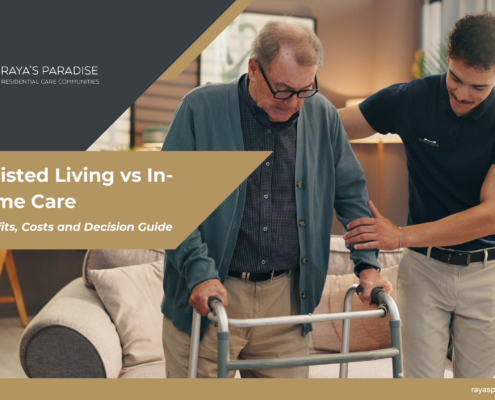 https://rayasparadise.com/wp-content/uploads/2026/02/Assisted-Living-vs-In-Home-Care.jpg
1695
2553
Moti Gamburd
https://rayasparadise.com//wp-content/uploads/2019/07/RP-LOGO-Horizontal-Name-Only-websitetrans.png
Moti Gamburd2026-02-08 06:00:482026-02-15 17:35:09The Benefits of Assisted Living Over In-Home Care
https://rayasparadise.com/wp-content/uploads/2026/02/Assisted-Living-vs-In-Home-Care.jpg
1695
2553
Moti Gamburd
https://rayasparadise.com//wp-content/uploads/2019/07/RP-LOGO-Horizontal-Name-Only-websitetrans.png
Moti Gamburd2026-02-08 06:00:482026-02-15 17:35:09The Benefits of Assisted Living Over In-Home Care https://rayasparadise.com/wp-content/uploads/2013/01/Caring-for-a-Parent-in-Assisted-Living-From-Afar.jpeg
1702
2556
Moti Gamburd
https://rayasparadise.com//wp-content/uploads/2019/07/RP-LOGO-Horizontal-Name-Only-websitetrans.png
Moti Gamburd2026-02-06 08:00:312026-02-13 00:13:06How to Care for a Loved One in Assisted Living From Afar
https://rayasparadise.com/wp-content/uploads/2013/01/Caring-for-a-Parent-in-Assisted-Living-From-Afar.jpeg
1702
2556
Moti Gamburd
https://rayasparadise.com//wp-content/uploads/2019/07/RP-LOGO-Horizontal-Name-Only-websitetrans.png
Moti Gamburd2026-02-06 08:00:312026-02-13 00:13:06How to Care for a Loved One in Assisted Living From Afar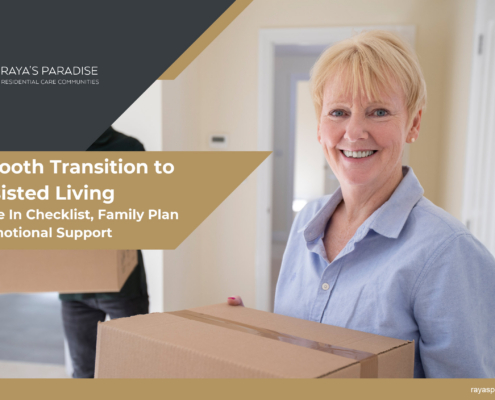 https://rayasparadise.com/wp-content/uploads/2012/10/Smooth-Transition-to-Assisted-Living.jpeg
1696
2555
Moti Gamburd
https://rayasparadise.com//wp-content/uploads/2019/07/RP-LOGO-Horizontal-Name-Only-websitetrans.png
Moti Gamburd2026-02-06 01:00:082026-02-12 23:35:09Making a Smooth Transition to Assisted Living
https://rayasparadise.com/wp-content/uploads/2012/10/Smooth-Transition-to-Assisted-Living.jpeg
1696
2555
Moti Gamburd
https://rayasparadise.com//wp-content/uploads/2019/07/RP-LOGO-Horizontal-Name-Only-websitetrans.png
Moti Gamburd2026-02-06 01:00:082026-02-12 23:35:09Making a Smooth Transition to Assisted Living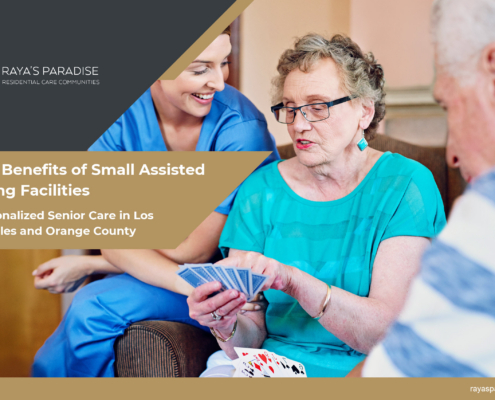 https://rayasparadise.com/wp-content/uploads/2012/10/Benefits-of-Small-Assisted-Living-Facilities.jpg
1702
2551
Moti Gamburd
https://rayasparadise.com//wp-content/uploads/2019/07/RP-LOGO-Horizontal-Name-Only-websitetrans.png
Moti Gamburd2026-02-04 04:23:062026-02-11 19:20:11The Benefits of Small Assisted Living Facilities
https://rayasparadise.com/wp-content/uploads/2012/10/Benefits-of-Small-Assisted-Living-Facilities.jpg
1702
2551
Moti Gamburd
https://rayasparadise.com//wp-content/uploads/2019/07/RP-LOGO-Horizontal-Name-Only-websitetrans.png
Moti Gamburd2026-02-04 04:23:062026-02-11 19:20:11The Benefits of Small Assisted Living Facilities https://rayasparadise.com/wp-content/uploads/2026/01/Tips-for-Selling-Your-Home-to-Pay-for-Assisted-Living.jpg
1702
2555
Moti Gamburd
https://rayasparadise.com//wp-content/uploads/2019/07/RP-LOGO-Horizontal-Name-Only-websitetrans.png
Moti Gamburd2026-01-22 04:00:552026-01-22 18:04:19Tips for Selling Your Home to Pay for Assisted Living
https://rayasparadise.com/wp-content/uploads/2026/01/Tips-for-Selling-Your-Home-to-Pay-for-Assisted-Living.jpg
1702
2555
Moti Gamburd
https://rayasparadise.com//wp-content/uploads/2019/07/RP-LOGO-Horizontal-Name-Only-websitetrans.png
Moti Gamburd2026-01-22 04:00:552026-01-22 18:04:19Tips for Selling Your Home to Pay for Assisted Living https://rayasparadise.com/wp-content/uploads/2012/10/Signs-Its-Time-for-Assisted-Living.jpg
1697
2555
Raya's Paradise
https://rayasparadise.com//wp-content/uploads/2019/07/RP-LOGO-Horizontal-Name-Only-websitetrans.png
Raya's Paradise2026-01-19 03:09:442026-01-20 17:17:15Signs It’s Time for Assisted Living, How to Know When Extra Support Is Needed
https://rayasparadise.com/wp-content/uploads/2012/10/Signs-Its-Time-for-Assisted-Living.jpg
1697
2555
Raya's Paradise
https://rayasparadise.com//wp-content/uploads/2019/07/RP-LOGO-Horizontal-Name-Only-websitetrans.png
Raya's Paradise2026-01-19 03:09:442026-01-20 17:17:15Signs It’s Time for Assisted Living, How to Know When Extra Support Is Needed https://rayasparadise.com/wp-content/uploads/2012/12/Downsizing-to-Prepare-for-Assisted-Living.jpeg
1704
2558
Moti Gamburd
https://rayasparadise.com//wp-content/uploads/2019/07/RP-LOGO-Horizontal-Name-Only-websitetrans.png
Moti Gamburd2026-01-13 04:02:202026-01-15 22:28:54Downsizing to Prepare for a Move to Assisted Living
https://rayasparadise.com/wp-content/uploads/2012/12/Downsizing-to-Prepare-for-Assisted-Living.jpeg
1704
2558
Moti Gamburd
https://rayasparadise.com//wp-content/uploads/2019/07/RP-LOGO-Horizontal-Name-Only-websitetrans.png
Moti Gamburd2026-01-13 04:02:202026-01-15 22:28:54Downsizing to Prepare for a Move to Assisted Living https://rayasparadise.com/wp-content/uploads/2012/11/How-to-Discuss-Assisted-Living-With-a-Reluctant-Parent.jpeg
1704
2553
Moti Gamburd
https://rayasparadise.com//wp-content/uploads/2019/07/RP-LOGO-Horizontal-Name-Only-websitetrans.png
Moti Gamburd2026-01-12 02:33:232026-01-15 23:41:56Discussing Assisted Living with a Reluctant Parent
https://rayasparadise.com/wp-content/uploads/2012/11/How-to-Discuss-Assisted-Living-With-a-Reluctant-Parent.jpeg
1704
2553
Moti Gamburd
https://rayasparadise.com//wp-content/uploads/2019/07/RP-LOGO-Horizontal-Name-Only-websitetrans.png
Moti Gamburd2026-01-12 02:33:232026-01-15 23:41:56Discussing Assisted Living with a Reluctant Parent https://rayasparadise.com/wp-content/uploads/2025/08/Does-Assisted-Living-Provide-Medical-Care.jpg
1704
2548
Raya's Paradise
https://rayasparadise.com//wp-content/uploads/2019/07/RP-LOGO-Horizontal-Name-Only-websitetrans.png
Raya's Paradise2025-08-27 20:32:462026-01-14 19:35:28Does Assisted Living Provide Medical Care? Understanding Living Options and Care in Assisted Living Communities
https://rayasparadise.com/wp-content/uploads/2025/08/Does-Assisted-Living-Provide-Medical-Care.jpg
1704
2548
Raya's Paradise
https://rayasparadise.com//wp-content/uploads/2019/07/RP-LOGO-Horizontal-Name-Only-websitetrans.png
Raya's Paradise2025-08-27 20:32:462026-01-14 19:35:28Does Assisted Living Provide Medical Care? Understanding Living Options and Care in Assisted Living Communities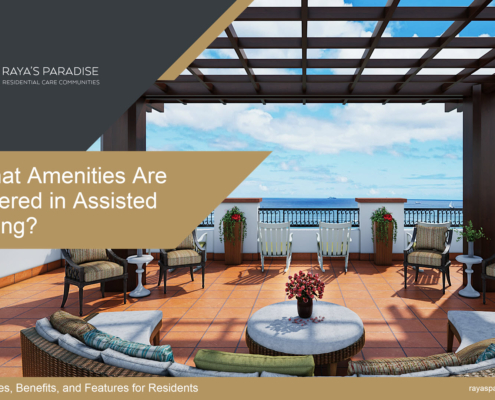 https://rayasparadise.com/wp-content/uploads/2025/08/What-Amenities-Are-Offered-In-Assisted-Living.jpg
1080
1621
Raya's Paradise
https://rayasparadise.com//wp-content/uploads/2019/07/RP-LOGO-Horizontal-Name-Only-websitetrans.png
Raya's Paradise2025-08-27 16:58:562025-10-22 19:10:12What Amenities Are Offered in Assisted Living? Services, Benefits, and Features for Residents
https://rayasparadise.com/wp-content/uploads/2025/08/What-Amenities-Are-Offered-In-Assisted-Living.jpg
1080
1621
Raya's Paradise
https://rayasparadise.com//wp-content/uploads/2019/07/RP-LOGO-Horizontal-Name-Only-websitetrans.png
Raya's Paradise2025-08-27 16:58:562025-10-22 19:10:12What Amenities Are Offered in Assisted Living? Services, Benefits, and Features for Residents
