
Contents
- Choosing Assisted Living for Senior Couples
- Key Takeaways
- Start with care needs, then protect the relationship
- Living together, living nearby, or a hybrid plan
- Privacy, independence, and identity as a couple
- Costs for couples, how pricing usually works and what to ask
- Touring as a couple, a checklist and the questions that matter most
- Planning for changes, dementia progression, mobility shifts, and end-of-life support
- How Raya’s Paradise supports senior couples in Los Angeles and Orange County
- Sources & Additional Resources
- More Assisted Living Resources
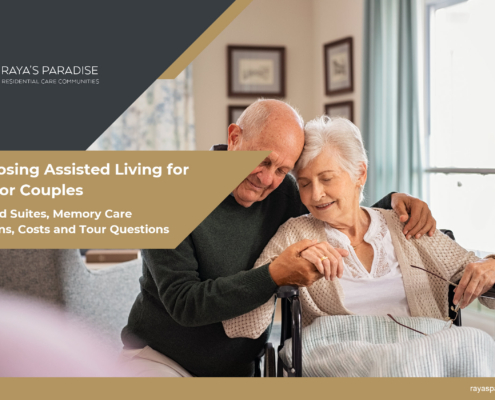
- Choosing Assisted Living for Senior Couples
- History of Assisted Living |How the Option of Assisted Living Developed
- Choosing Assisted Living for Those with Alzheimer's or Dementia
- Paying for Assisted Living, Costs, Insurance, VA Benefits, and Smart Ways to Plan
- Six Myths About Assisted Living - What Senior Living Really Looks Like
- The Benefits of Assisted Living Over In-Home Care
- How to Care for a Loved One in Assisted Living From Afar
- Making a Smooth Transition to Assisted Living
- The Benefits of Small Assisted Living Facilities
- Tips for Selling Your Home to Pay for Assisted Living
- Signs It’s Time for Assisted Living, How to Know When Extra Support Is Needed
- Downsizing to Prepare for a Move to Assisted Living
- Discussing Assisted Living with a Reluctant Parent
- Does Assisted Living Provide Medical Care? Understanding Living Options and Care in Assisted Living Communities
- What Amenities Are Offered in Assisted Living? Services, Benefits, and Features for Residents

Choosing Assisted Living for Senior Couples
Shared Suites, Memory Care Options, Costs and Tour Questions
Key Takeaways
- Start with the spouse who needs the higher level of care, then build the plan around keeping the couple connected.
- Couples can sometimes share a room or suite even with different care needs, but secured memory care requirements and safety policies can change what is possible.
- Ask about “aging in place” policies, care level changes, and whether both spouses can remain in the same community if needs diverge.
- Costs can be lower for housing when sharing a unit, but most providers still charge per-person fees and care fees based on each spouse’s needs.
- Tour with couples-focused questions about privacy, staff responsiveness, medication management, mobility support, and dementia progression planning.
When a couple moves into assisted living together, it is rarely just a housing decision. It is a relationship decision. You are protecting routines, privacy, companionship, and the little daily rituals that make two people feel like “us” even when health is changing.
The most common fear I hear from families is simple, “Will they be separated?” Sometimes the answer is yes, at least partially, especially if one spouse needs a secured memory care setting. That does not automatically mean a loss of togetherness. Many communities can support a couple with different needs using a shared apartment, nearby rooms, or a plan that keeps daily contact easy while still meeting safety needs.
If you want help mapping out options in Los Angeles or Orange County, explore our Raya’s Paradise communities and reach out through our contact page. Prefer to evaluate in person first, you can book a visit for Los Angeles or request a San Clemente tour.

Start with care needs, then protect the relationship
A helpful rule of thumb is to choose a setting that can meet the needs of the spouse with greater health or cognitive challenges. If you choose a community that only fits the healthier spouse, you increase the odds of a second move later, sometimes during a crisis.
For many couples, the decision comes down to this question, “Do we need assisted living, or do we need memory care?” Here is a clear way to think about it:
- Assisted living is generally designed for older adults who need help with daily activities and benefit from supportive services like meals, housekeeping, and help with personal care tasks. Services vary by provider and state rules, so always confirm what is offered and how care is delivered. Learn what that typically looks like through assisted living services. (For an independent overview of common assisted living supports, see the Alzheimer’s Association care options guide.)
- Memory care is designed for progressive cognitive change and higher supervision needs. It is typically more structured and better equipped for wandering risk, sundowning, frequent confusion, and safety concerns. You can explore options through memory care services and, for regional options, memory care in Orange County.
If you are still sorting out what you are seeing, these two guides help families put language to the changes: dementia vs ordinary forgetfulness and confusion and the stages of dementia.

Living together, living nearby, or a hybrid plan
Couples have more options than most families realize, but the details are provider-specific. When you tour, ask exactly what the community can support today, and what changes if needs increase.
This is the ideal for many couples, especially when needs are similar. It supports privacy, routine, and emotional comfort. It can also reduce the housing portion of the cost because you are sharing one unit. Still, most communities charge per-person fees for meals and services, plus separate care fees based on each spouse’s assessed needs, so confirm the full pricing structure in writing.
When one spouse has higher needs (mobility challenges, advanced dementia, frequent nighttime needs), nearby rooms can be a safer compromise. Couples can still share meals, activities, and quiet time while each person receives the level of support that fits them.
Option 3: Assisted living plus memory care under one roof
If one spouse is cognitively stable and the other is progressing, a community that offers both assisted living and memory care can reduce disruptive transitions. In many buildings, memory care is a separate secured area, so “under one roof” often means the spouses may not share the same unit, but they may be able to maintain consistent contact and shared routines with staff support.
If you are evaluating options in the region, you can also compare local support through assisted living in Orange County and dedicated memory support through Orange County memory care.

Privacy, independence, and identity as a couple
Couples who move together often do wonderfully, but there is one hidden risk: isolation. When two people are used to leaning on each other, it can become easy to skip activities, avoid new friendships, and stay in the room. Over time that can shrink their world.
When you tour, look for a community that supports both togetherness and individual identity:
- Does the team encourage each spouse to participate in activities that match their abilities and interests?
- Are there quiet spaces where couples can spend private time without feeling on display?
- Does staff speak to each spouse directly, not only to the healthier partner?
- How does the community support connection when one spouse is more withdrawn or confused?
If you want a helpful benchmark for what “good engagement” looks like, take a look at assisted living amenities that actually improve quality of life. It can help you separate meaningful supports from marketing fluff.
Costs for couples, how pricing usually works and what to ask
Cost is part of the decision, but it is often misunderstood for couples. Many communities charge a base monthly rate for the unit and core services, then add per-person fees and care costs based on each spouse’s assessed needs. Sharing a unit can lower housing expenses, but it does not guarantee that total monthly cost is “half” or even close, because care is priced around services, staffing, and supervision.
Common pricing approaches you may see:
- Tiered care levels: care is grouped into levels and pricing rises with the level.
- A la carte: you pay for specific services as they are delivered.
- All-inclusive packages: a broader set of services is included at one rate (always confirm what is truly included and what still costs extra).
Couples-focused questions to ask about pricing:
- If one spouse’s needs increase, how is the change assessed, and how much notice is given before pricing changes?
- Can one spouse remain in the shared unit if the other transitions to memory care or higher support?
- Are there second-person fees for meals, activities, or basic services?
- What happens after a hospitalization, is the unit held, and what fees apply?
For a clearer picture of local expectations, this resource helps families understand the regional landscape: assisted living costs in Los Angeles and Orange County. For a widely cited national baseline on assisted living costs and trends, Genworth’s Cost of Care resources are also helpful.
Important coverage note: Medicare generally does not pay for assisted living room and board because that is considered long-term custodial care. A resident can still receive Medicare-covered medical services (like doctor visits or hospital care) while living in assisted living, but the assisted living monthly fee is typically not covered by Medicare. For the official explanation, see Medicare’s long-term care coverage guidance.
Touring as a couple, a checklist and the questions that matter most
Couples tours should be different from solo tours. You are evaluating the care model, and you are evaluating whether the environment supports a relationship.
Start with a structured tool so you can compare communities consistently. This printable guide is a strong baseline: assisted living facility tour checklist. Then cross-check your impressions with warning signs when touring assisted living facilities.
Couples-specific tour questions
- Do you offer shared rooms or suites for couples, and what does availability typically look like?
- How do you handle different care needs within one couple while protecting dignity and privacy?
- If one spouse has dementia progression, can they stay in the same community with added support, and what might require memory care?
- How do you support the healthier spouse so they do not become the caregiver again?
- What does a hard afternoon look like here and what does staff do first?
Red flags worth taking seriously
- Vague answers about dementia support, medication processes, or supervision.
- Staff rushing couples through decisions or dismissing concerns about privacy.
- Residents left distressed without calm redirection or comfort.
- Pricing that cannot be explained clearly in writing.
Planning for changes, dementia progression, mobility shifts, and end-of-life support
The best couples plan is one that can flex. Health rarely stays still, and dementia can change the “fit” over time. Ask direct questions about what happens next, not only what happens today.
Policies to clarify before move-in:
- How care needs are reassessed over time and how couples are included in care planning.
- What triggers a move to memory care or a higher support level.
- How the community supports mobility changes and fall risk.
- How hospital visits are handled and whether the unit is held.
If your family needs time to stabilize a plan without forcing a permanent decision, short-term respite care can be a practical bridge.
If advanced illness is part of the picture, many families also want to know whether a community can coordinate comfort-focused support. Raya’s Paradise can work with hospice partners through hospice care services when appropriate for quality of life support.
How Raya’s Paradise supports senior couples in Los Angeles and Orange County
Raya’s Paradise supports older adults and families across Los Angeles and Orange County with a relationship-centered approach that respects dignity, privacy, and daily quality of life. Depending on your needs, you can explore our assisted living services and regional options like assisted living in Orange County. If cognitive changes are part of the story, you can learn about our dementia support through memory care services and memory care in Orange County.
To see locations and choose a setting that fits your couple’s lifestyle, visit our communities page. To talk through options, reach out through our contact page. If you prefer to evaluate in person, schedule a visit in Los Angeles or request a San Clemente tour.
With the right plan, couples do not just get through the transition. Many rediscover calm, companionship, and a more supportive daily rhythm because the exhausting parts of caregiving are no longer sitting between them.
Our Orange County Luxury Assisted Living Community with Specialized Memory Care
Our Assisted Living Homes in Los Angeles
Disclaimer:
This guide is educational and general. It is not medical advice, diagnosis, or treatment guidance. It is not legal advice or financial advice. Assisted living services, memory care policies, and pricing vary by provider and by state regulations, so confirm details directly with each community. For guidance specific to your situation, consult qualified healthcare professionals and, when needed, an elder law attorney or a financial professional who understands senior care planning.
 https://rayasparadise.com/wp-content/uploads/2013/03/Choosing-Assisted-Living-for-Senior-Couples.jpg
1700
2555
Moti Gamburd
https://rayasparadise.com//wp-content/uploads/2019/07/RP-LOGO-Horizontal-Name-Only-websitetrans.png
Moti Gamburd2026-02-14 06:37:342026-02-15 16:24:24Choosing Assisted Living for Senior Couples
https://rayasparadise.com/wp-content/uploads/2013/03/Choosing-Assisted-Living-for-Senior-Couples.jpg
1700
2555
Moti Gamburd
https://rayasparadise.com//wp-content/uploads/2019/07/RP-LOGO-Horizontal-Name-Only-websitetrans.png
Moti Gamburd2026-02-14 06:37:342026-02-15 16:24:24Choosing Assisted Living for Senior Couples https://rayasparadise.com/wp-content/uploads/2012/12/How-the-Option-of-Assisted-Living-Developed.jpg
1702
2553
Moti Gamburd
https://rayasparadise.com//wp-content/uploads/2019/07/RP-LOGO-Horizontal-Name-Only-websitetrans.png
Moti Gamburd2026-02-12 04:33:042026-02-14 21:30:20History of Assisted Living |How the Option of Assisted Living Developed
https://rayasparadise.com/wp-content/uploads/2012/12/How-the-Option-of-Assisted-Living-Developed.jpg
1702
2553
Moti Gamburd
https://rayasparadise.com//wp-content/uploads/2019/07/RP-LOGO-Horizontal-Name-Only-websitetrans.png
Moti Gamburd2026-02-12 04:33:042026-02-14 21:30:20History of Assisted Living |How the Option of Assisted Living Developed https://rayasparadise.com/wp-content/uploads/2012/10/Choosing-Assisted-Living-for-Those-with-Alzheimers-or-Dementia.jpeg
1695
2546
Moti Gamburd
https://rayasparadise.com//wp-content/uploads/2019/07/RP-LOGO-Horizontal-Name-Only-websitetrans.png
Moti Gamburd2026-02-11 08:14:422026-02-14 20:05:38Choosing Assisted Living for Those with Alzheimer's or Dementia
https://rayasparadise.com/wp-content/uploads/2012/10/Choosing-Assisted-Living-for-Those-with-Alzheimers-or-Dementia.jpeg
1695
2546
Moti Gamburd
https://rayasparadise.com//wp-content/uploads/2019/07/RP-LOGO-Horizontal-Name-Only-websitetrans.png
Moti Gamburd2026-02-11 08:14:422026-02-14 20:05:38Choosing Assisted Living for Those with Alzheimer's or Dementia https://rayasparadise.com/wp-content/uploads/2012/10/Paying-for-Assisted-Living.jpg
1700
2542
Moti Gamburd
https://rayasparadise.com//wp-content/uploads/2019/07/RP-LOGO-Horizontal-Name-Only-websitetrans.png
Moti Gamburd2026-02-10 03:30:062026-02-11 17:07:19Paying for Assisted Living, Costs, Insurance, VA Benefits, and Smart Ways to Plan
https://rayasparadise.com/wp-content/uploads/2012/10/Paying-for-Assisted-Living.jpg
1700
2542
Moti Gamburd
https://rayasparadise.com//wp-content/uploads/2019/07/RP-LOGO-Horizontal-Name-Only-websitetrans.png
Moti Gamburd2026-02-10 03:30:062026-02-11 17:07:19Paying for Assisted Living, Costs, Insurance, VA Benefits, and Smart Ways to Plan https://rayasparadise.com/wp-content/uploads/2012/10/Six-Myths-About-Assisted-Living.jpg
1702
2555
Moti Gamburd
https://rayasparadise.com//wp-content/uploads/2019/07/RP-LOGO-Horizontal-Name-Only-websitetrans.png
Moti Gamburd2026-02-09 04:02:312026-02-11 18:00:01Six Myths About Assisted Living - What Senior Living Really Looks Like
https://rayasparadise.com/wp-content/uploads/2012/10/Six-Myths-About-Assisted-Living.jpg
1702
2555
Moti Gamburd
https://rayasparadise.com//wp-content/uploads/2019/07/RP-LOGO-Horizontal-Name-Only-websitetrans.png
Moti Gamburd2026-02-09 04:02:312026-02-11 18:00:01Six Myths About Assisted Living - What Senior Living Really Looks Like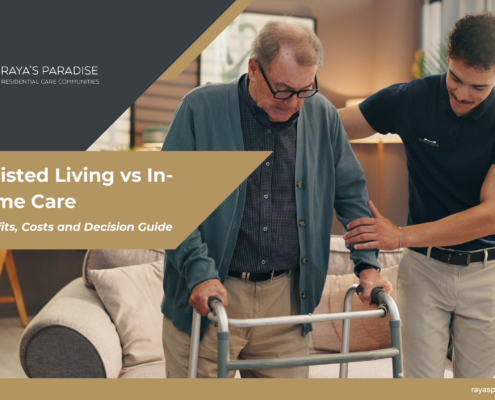 https://rayasparadise.com/wp-content/uploads/2026/02/Assisted-Living-vs-In-Home-Care.jpg
1695
2553
Moti Gamburd
https://rayasparadise.com//wp-content/uploads/2019/07/RP-LOGO-Horizontal-Name-Only-websitetrans.png
Moti Gamburd2026-02-08 06:00:482026-02-15 17:35:09The Benefits of Assisted Living Over In-Home Care
https://rayasparadise.com/wp-content/uploads/2026/02/Assisted-Living-vs-In-Home-Care.jpg
1695
2553
Moti Gamburd
https://rayasparadise.com//wp-content/uploads/2019/07/RP-LOGO-Horizontal-Name-Only-websitetrans.png
Moti Gamburd2026-02-08 06:00:482026-02-15 17:35:09The Benefits of Assisted Living Over In-Home Care https://rayasparadise.com/wp-content/uploads/2013/01/Caring-for-a-Parent-in-Assisted-Living-From-Afar.jpeg
1702
2556
Moti Gamburd
https://rayasparadise.com//wp-content/uploads/2019/07/RP-LOGO-Horizontal-Name-Only-websitetrans.png
Moti Gamburd2026-02-06 08:00:312026-02-13 00:13:06How to Care for a Loved One in Assisted Living From Afar
https://rayasparadise.com/wp-content/uploads/2013/01/Caring-for-a-Parent-in-Assisted-Living-From-Afar.jpeg
1702
2556
Moti Gamburd
https://rayasparadise.com//wp-content/uploads/2019/07/RP-LOGO-Horizontal-Name-Only-websitetrans.png
Moti Gamburd2026-02-06 08:00:312026-02-13 00:13:06How to Care for a Loved One in Assisted Living From Afar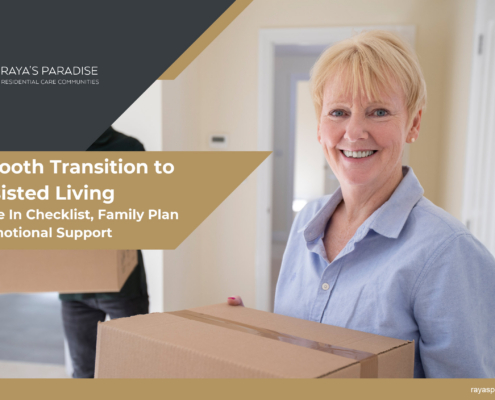 https://rayasparadise.com/wp-content/uploads/2012/10/Smooth-Transition-to-Assisted-Living.jpeg
1696
2555
Moti Gamburd
https://rayasparadise.com//wp-content/uploads/2019/07/RP-LOGO-Horizontal-Name-Only-websitetrans.png
Moti Gamburd2026-02-06 01:00:082026-02-12 23:35:09Making a Smooth Transition to Assisted Living
https://rayasparadise.com/wp-content/uploads/2012/10/Smooth-Transition-to-Assisted-Living.jpeg
1696
2555
Moti Gamburd
https://rayasparadise.com//wp-content/uploads/2019/07/RP-LOGO-Horizontal-Name-Only-websitetrans.png
Moti Gamburd2026-02-06 01:00:082026-02-12 23:35:09Making a Smooth Transition to Assisted Living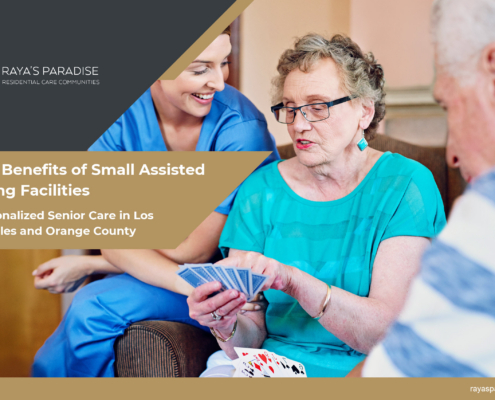 https://rayasparadise.com/wp-content/uploads/2012/10/Benefits-of-Small-Assisted-Living-Facilities.jpg
1702
2551
Moti Gamburd
https://rayasparadise.com//wp-content/uploads/2019/07/RP-LOGO-Horizontal-Name-Only-websitetrans.png
Moti Gamburd2026-02-04 04:23:062026-02-11 19:20:11The Benefits of Small Assisted Living Facilities
https://rayasparadise.com/wp-content/uploads/2012/10/Benefits-of-Small-Assisted-Living-Facilities.jpg
1702
2551
Moti Gamburd
https://rayasparadise.com//wp-content/uploads/2019/07/RP-LOGO-Horizontal-Name-Only-websitetrans.png
Moti Gamburd2026-02-04 04:23:062026-02-11 19:20:11The Benefits of Small Assisted Living Facilities https://rayasparadise.com/wp-content/uploads/2026/01/Tips-for-Selling-Your-Home-to-Pay-for-Assisted-Living.jpg
1702
2555
Moti Gamburd
https://rayasparadise.com//wp-content/uploads/2019/07/RP-LOGO-Horizontal-Name-Only-websitetrans.png
Moti Gamburd2026-01-22 04:00:552026-01-22 18:04:19Tips for Selling Your Home to Pay for Assisted Living
https://rayasparadise.com/wp-content/uploads/2026/01/Tips-for-Selling-Your-Home-to-Pay-for-Assisted-Living.jpg
1702
2555
Moti Gamburd
https://rayasparadise.com//wp-content/uploads/2019/07/RP-LOGO-Horizontal-Name-Only-websitetrans.png
Moti Gamburd2026-01-22 04:00:552026-01-22 18:04:19Tips for Selling Your Home to Pay for Assisted Living https://rayasparadise.com/wp-content/uploads/2012/10/Signs-Its-Time-for-Assisted-Living.jpg
1697
2555
Raya's Paradise
https://rayasparadise.com//wp-content/uploads/2019/07/RP-LOGO-Horizontal-Name-Only-websitetrans.png
Raya's Paradise2026-01-19 03:09:442026-01-20 17:17:15Signs It’s Time for Assisted Living, How to Know When Extra Support Is Needed
https://rayasparadise.com/wp-content/uploads/2012/10/Signs-Its-Time-for-Assisted-Living.jpg
1697
2555
Raya's Paradise
https://rayasparadise.com//wp-content/uploads/2019/07/RP-LOGO-Horizontal-Name-Only-websitetrans.png
Raya's Paradise2026-01-19 03:09:442026-01-20 17:17:15Signs It’s Time for Assisted Living, How to Know When Extra Support Is Needed https://rayasparadise.com/wp-content/uploads/2012/12/Downsizing-to-Prepare-for-Assisted-Living.jpeg
1704
2558
Moti Gamburd
https://rayasparadise.com//wp-content/uploads/2019/07/RP-LOGO-Horizontal-Name-Only-websitetrans.png
Moti Gamburd2026-01-13 04:02:202026-01-15 22:28:54Downsizing to Prepare for a Move to Assisted Living
https://rayasparadise.com/wp-content/uploads/2012/12/Downsizing-to-Prepare-for-Assisted-Living.jpeg
1704
2558
Moti Gamburd
https://rayasparadise.com//wp-content/uploads/2019/07/RP-LOGO-Horizontal-Name-Only-websitetrans.png
Moti Gamburd2026-01-13 04:02:202026-01-15 22:28:54Downsizing to Prepare for a Move to Assisted Living https://rayasparadise.com/wp-content/uploads/2012/11/How-to-Discuss-Assisted-Living-With-a-Reluctant-Parent.jpeg
1704
2553
Moti Gamburd
https://rayasparadise.com//wp-content/uploads/2019/07/RP-LOGO-Horizontal-Name-Only-websitetrans.png
Moti Gamburd2026-01-12 02:33:232026-01-15 23:41:56Discussing Assisted Living with a Reluctant Parent
https://rayasparadise.com/wp-content/uploads/2012/11/How-to-Discuss-Assisted-Living-With-a-Reluctant-Parent.jpeg
1704
2553
Moti Gamburd
https://rayasparadise.com//wp-content/uploads/2019/07/RP-LOGO-Horizontal-Name-Only-websitetrans.png
Moti Gamburd2026-01-12 02:33:232026-01-15 23:41:56Discussing Assisted Living with a Reluctant Parent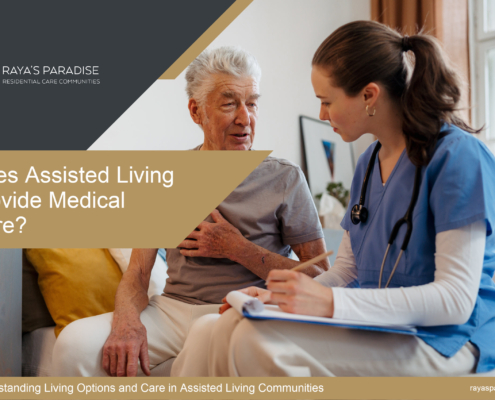 https://rayasparadise.com/wp-content/uploads/2025/08/Does-Assisted-Living-Provide-Medical-Care.jpg
1704
2548
Raya's Paradise
https://rayasparadise.com//wp-content/uploads/2019/07/RP-LOGO-Horizontal-Name-Only-websitetrans.png
Raya's Paradise2025-08-27 20:32:462026-01-14 19:35:28Does Assisted Living Provide Medical Care? Understanding Living Options and Care in Assisted Living Communities
https://rayasparadise.com/wp-content/uploads/2025/08/Does-Assisted-Living-Provide-Medical-Care.jpg
1704
2548
Raya's Paradise
https://rayasparadise.com//wp-content/uploads/2019/07/RP-LOGO-Horizontal-Name-Only-websitetrans.png
Raya's Paradise2025-08-27 20:32:462026-01-14 19:35:28Does Assisted Living Provide Medical Care? Understanding Living Options and Care in Assisted Living Communities https://rayasparadise.com/wp-content/uploads/2025/08/What-Amenities-Are-Offered-In-Assisted-Living.jpg
1080
1621
Raya's Paradise
https://rayasparadise.com//wp-content/uploads/2019/07/RP-LOGO-Horizontal-Name-Only-websitetrans.png
Raya's Paradise2025-08-27 16:58:562025-10-22 19:10:12What Amenities Are Offered in Assisted Living? Services, Benefits, and Features for Residents
https://rayasparadise.com/wp-content/uploads/2025/08/What-Amenities-Are-Offered-In-Assisted-Living.jpg
1080
1621
Raya's Paradise
https://rayasparadise.com//wp-content/uploads/2019/07/RP-LOGO-Horizontal-Name-Only-websitetrans.png
Raya's Paradise2025-08-27 16:58:562025-10-22 19:10:12What Amenities Are Offered in Assisted Living? Services, Benefits, and Features for Residents
