
Contents
- How to Discuss Assisted Living With a Reluctant Parent
- Key Takeaways | Discussing Assisted Living
- Understanding Why A Parent May Say No
- Prepare Before You Start The Conversation
- Involve Trusted Professionals When Appropriate
- Communicate With Respect And Clarity
- Keep Safety At The Center Of The Conversation
- Listen More Than You Speak
- Understand That This Is A Process
- How Assisted Living Can Improve Quality Of Life
- Take The Next Step Together
- Sources & Additional Resources
- More Assisted Living Resources
- Choosing Assisted Living for Senior Couples
- History of Assisted Living |How the Option of Assisted Living Developed
- Choosing Assisted Living for Those with Alzheimer's or Dementia
- Paying for Assisted Living, Costs, Insurance, VA Benefits, and Smart Ways to Plan
- Six Myths About Assisted Living - What Senior Living Really Looks Like
- The Benefits of Assisted Living Over In-Home Care
- How to Care for a Loved One in Assisted Living From Afar
- Making a Smooth Transition to Assisted Living
- The Benefits of Small Assisted Living Facilities
- Tips for Selling Your Home to Pay for Assisted Living
- Signs It’s Time for Assisted Living, How to Know When Extra Support Is Needed
- Downsizing to Prepare for a Move to Assisted Living
- Discussing Assisted Living with a Reluctant Parent
- Does Assisted Living Provide Medical Care? Understanding Living Options and Care in Assisted Living Communities
- What Amenities Are Offered in Assisted Living? Services, Benefits, and Features for Residents

How to Discuss Assisted Living With a Reluctant Parent
Compassionate Strategies That Work
Key Takeaways | Discussing Assisted Living
Resistance to assisted living is often rooted in fear, not stubbornness.
Conversations work best when they focus on safety, dignity, and quality of life rather than loss of independence.
Listening matters as much as speaking.
This discussion is usually a process, not a single conversation.
Few conversations are as emotionally charged as talking with a parent about assisted living, especially when they are reluctant or outright resistant. For many older adults, staying in their own home represents independence, identity, and control. When that independence begins to slip, fear and defensiveness often take its place.
If you are facing this conversation, you are not alone. Families across Los Angeles and Orange County wrestle with this moment every day. This guide is designed to help you approach the discussion with empathy, clarity, and practical tools that protect your parent’s safety while preserving trust and dignity. If you need personalized guidance, our team is always available through our contact page or you can explore our assisted living communities to better understand what daily life actually looks like.

Understanding Why A Parent May Say No
Before trying to persuade your parent, it helps to understand what may be driving their reluctance. Most parents are not refusing care because they do not recognize changes. They are responding to what assisted living represents emotionally.
Loss Of Control And Identity
For many seniors, home is tied to self-worth and autonomy. Moving can feel like admitting failure or becoming dependent, even when that is not the reality.
Fear Of The Unknown
Assisted living is often misunderstood. Some parents picture institutional settings or nursing homes. Without firsthand exposure, fear fills in the gaps.
Worry About Being A Burden
Parents may worry that agreeing to assisted living confirms they are a burden to their family, even when the opposite is true.
Understanding these fears allows you to respond with reassurance instead of pressure.

Prepare Before You Start The Conversation
Successful conversations begin well before the first word is spoken.
Get Clear On Safety Concerns
Write down specific issues such as falls, missed medications, poor nutrition, or isolation. Concrete examples are more effective than general worries.
Align With Family Members
Conflicting messages from siblings can increase resistance. If possible, agree on shared concerns and goals ahead of time. Our article on keeping peace among siblings when caring for an aging parent offers helpful guidance.
Choose The Right Time And Setting
Avoid raising the topic during a crisis or argument. Calm, private moments allow for better listening and emotional regulation.

Involve Trusted Professionals When Appropriate
Many parents are more receptive when concerns come from a medical professional rather than a family member.
Primary Care Doctors And Specialists
A physician your parent trusts can frame the conversation around safety and health rather than family worry. Hearing recommendations from a neutral expert can reduce defensiveness.
Care Managers Or Social Workers
In some situations, a professional assessment can help families understand care needs and next steps without placing emotional pressure on one person.
If cognitive changes are involved, you may also benefit from learning how dementia affects communication. Our article on how to talk with someone who has Alzheimer’s provides practical tips.

Communicate With Respect And Clarity
Even when safety is at risk, tone matters.
Avoid Condescension Or Excessive Sympathy
Overly sympathetic language can unintentionally reinforce feelings of helplessness. Speak plainly and respectfully, as you would with any capable adult.
Use Collaborative Language
Frame the discussion as planning together rather than making decisions for them. Phrases like “How can we make things safer” are more effective than “You can’t live alone anymore.”
Acknowledge Emotions Without Arguing Them
You do not need to correct fear or anger. Acknowledging feelings helps your parent feel heard and reduces resistance.

Keep Safety At The Center Of The Conversation
Safety should guide every discussion, but it must be handled gently.
Use Real Examples Without Blame
Falls, missed medications, or hospital visits are powerful reminders when discussed calmly and factually. Avoid exaggeration or guilt.
Connect Safety To Independence
Explain that accepting support can actually preserve independence by preventing emergencies that force rushed decisions later.
Families unsure when safety outweighs independence may find clarity in our guide on signs it may be time for assisted living.

Listen More Than You Speak
Sometimes resistance softens simply because someone finally listens.
Let Them Voice Fears And Grief
Your parent may need to express anger, sadness, or resentment. Letting them speak without interruption builds emotional safety.
Look For Hidden Readiness
Some parents resist outwardly while quietly considering the move. Listening can reveal openness beneath the fear.
Caregivers struggling with emotional strain may also benefit from our article on reducing caregiver stress.
Understand That This Is A Process
There is rarely a single conversation that resolves everything. Most families move forward through a series of discussions, small agreements, and gradual acceptance.
If a full move feels overwhelming, a temporary stay can help ease fear. Short-term respite care allows parents to experience assisted living without committing immediately.
How Assisted Living Can Improve Quality Of Life
At Raya’s Paradise, assisted living is designed to feel like home, not a facility. Residents receive personalized support, home-cooked meals, meaningful social interaction, and 24-hour oversight in a residential setting.
You can learn more about our assisted living services and explore assisted living in Orange County or Los Angeles to understand how care is tailored to individual needs.
Take The Next Step Together
Discussing assisted living with a reluctant parent is never easy, but it can become an opportunity for honesty, trust, and shared problem-solving. With patience, respect, and the right support, many families find that what once felt impossible becomes a path toward safety and peace of mind.
When you are ready, we invite you to see assisted living firsthand. You can request a visit through our Los Angeles tour request page or our Orange County tour request page.
Our Orange County Senior Assisted Living with Memory Care Community
Our Los Angeles Assisted Living Residences
Sources & Additional Resources
Orange County Superior Court self-help overview of power of attorney
Sacramento County Public Law Library resource on California statutory power of attorney
California Uniform Statutory Form Power of Attorney PDF
National Hospice and Palliative Care Organization CaringInfo California advance directive PDF
Nolo overview of California advance directive witnessing and notarization
Disclaimer:
This article is for general informational purposes only and does not provide medical, legal, or psychological advice. Every family situation is unique. Always consult qualified professionals when making care decisions for a loved one.
 https://rayasparadise.com/wp-content/uploads/2013/03/Choosing-Assisted-Living-for-Senior-Couples.jpg
1700
2555
Moti Gamburd
https://rayasparadise.com//wp-content/uploads/2019/07/RP-LOGO-Horizontal-Name-Only-websitetrans.png
Moti Gamburd2026-02-14 06:37:342026-02-15 16:24:24Choosing Assisted Living for Senior Couples
https://rayasparadise.com/wp-content/uploads/2013/03/Choosing-Assisted-Living-for-Senior-Couples.jpg
1700
2555
Moti Gamburd
https://rayasparadise.com//wp-content/uploads/2019/07/RP-LOGO-Horizontal-Name-Only-websitetrans.png
Moti Gamburd2026-02-14 06:37:342026-02-15 16:24:24Choosing Assisted Living for Senior Couples https://rayasparadise.com/wp-content/uploads/2012/12/How-the-Option-of-Assisted-Living-Developed.jpg
1702
2553
Moti Gamburd
https://rayasparadise.com//wp-content/uploads/2019/07/RP-LOGO-Horizontal-Name-Only-websitetrans.png
Moti Gamburd2026-02-12 04:33:042026-02-14 21:30:20History of Assisted Living |How the Option of Assisted Living Developed
https://rayasparadise.com/wp-content/uploads/2012/12/How-the-Option-of-Assisted-Living-Developed.jpg
1702
2553
Moti Gamburd
https://rayasparadise.com//wp-content/uploads/2019/07/RP-LOGO-Horizontal-Name-Only-websitetrans.png
Moti Gamburd2026-02-12 04:33:042026-02-14 21:30:20History of Assisted Living |How the Option of Assisted Living Developed https://rayasparadise.com/wp-content/uploads/2012/10/Choosing-Assisted-Living-for-Those-with-Alzheimers-or-Dementia.jpeg
1695
2546
Moti Gamburd
https://rayasparadise.com//wp-content/uploads/2019/07/RP-LOGO-Horizontal-Name-Only-websitetrans.png
Moti Gamburd2026-02-11 08:14:422026-02-14 20:05:38Choosing Assisted Living for Those with Alzheimer's or Dementia
https://rayasparadise.com/wp-content/uploads/2012/10/Choosing-Assisted-Living-for-Those-with-Alzheimers-or-Dementia.jpeg
1695
2546
Moti Gamburd
https://rayasparadise.com//wp-content/uploads/2019/07/RP-LOGO-Horizontal-Name-Only-websitetrans.png
Moti Gamburd2026-02-11 08:14:422026-02-14 20:05:38Choosing Assisted Living for Those with Alzheimer's or Dementia https://rayasparadise.com/wp-content/uploads/2012/10/Paying-for-Assisted-Living.jpg
1700
2542
Moti Gamburd
https://rayasparadise.com//wp-content/uploads/2019/07/RP-LOGO-Horizontal-Name-Only-websitetrans.png
Moti Gamburd2026-02-10 03:30:062026-02-11 17:07:19Paying for Assisted Living, Costs, Insurance, VA Benefits, and Smart Ways to Plan
https://rayasparadise.com/wp-content/uploads/2012/10/Paying-for-Assisted-Living.jpg
1700
2542
Moti Gamburd
https://rayasparadise.com//wp-content/uploads/2019/07/RP-LOGO-Horizontal-Name-Only-websitetrans.png
Moti Gamburd2026-02-10 03:30:062026-02-11 17:07:19Paying for Assisted Living, Costs, Insurance, VA Benefits, and Smart Ways to Plan https://rayasparadise.com/wp-content/uploads/2012/10/Six-Myths-About-Assisted-Living.jpg
1702
2555
Moti Gamburd
https://rayasparadise.com//wp-content/uploads/2019/07/RP-LOGO-Horizontal-Name-Only-websitetrans.png
Moti Gamburd2026-02-09 04:02:312026-02-11 18:00:01Six Myths About Assisted Living - What Senior Living Really Looks Like
https://rayasparadise.com/wp-content/uploads/2012/10/Six-Myths-About-Assisted-Living.jpg
1702
2555
Moti Gamburd
https://rayasparadise.com//wp-content/uploads/2019/07/RP-LOGO-Horizontal-Name-Only-websitetrans.png
Moti Gamburd2026-02-09 04:02:312026-02-11 18:00:01Six Myths About Assisted Living - What Senior Living Really Looks Like https://rayasparadise.com/wp-content/uploads/2026/02/Assisted-Living-vs-In-Home-Care.jpg
1695
2553
Moti Gamburd
https://rayasparadise.com//wp-content/uploads/2019/07/RP-LOGO-Horizontal-Name-Only-websitetrans.png
Moti Gamburd2026-02-08 06:00:482026-02-15 17:35:09The Benefits of Assisted Living Over In-Home Care
https://rayasparadise.com/wp-content/uploads/2026/02/Assisted-Living-vs-In-Home-Care.jpg
1695
2553
Moti Gamburd
https://rayasparadise.com//wp-content/uploads/2019/07/RP-LOGO-Horizontal-Name-Only-websitetrans.png
Moti Gamburd2026-02-08 06:00:482026-02-15 17:35:09The Benefits of Assisted Living Over In-Home Care https://rayasparadise.com/wp-content/uploads/2013/01/Caring-for-a-Parent-in-Assisted-Living-From-Afar.jpeg
1702
2556
Moti Gamburd
https://rayasparadise.com//wp-content/uploads/2019/07/RP-LOGO-Horizontal-Name-Only-websitetrans.png
Moti Gamburd2026-02-06 08:00:312026-02-13 00:13:06How to Care for a Loved One in Assisted Living From Afar
https://rayasparadise.com/wp-content/uploads/2013/01/Caring-for-a-Parent-in-Assisted-Living-From-Afar.jpeg
1702
2556
Moti Gamburd
https://rayasparadise.com//wp-content/uploads/2019/07/RP-LOGO-Horizontal-Name-Only-websitetrans.png
Moti Gamburd2026-02-06 08:00:312026-02-13 00:13:06How to Care for a Loved One in Assisted Living From Afar https://rayasparadise.com/wp-content/uploads/2012/10/Smooth-Transition-to-Assisted-Living.jpeg
1696
2555
Moti Gamburd
https://rayasparadise.com//wp-content/uploads/2019/07/RP-LOGO-Horizontal-Name-Only-websitetrans.png
Moti Gamburd2026-02-06 01:00:082026-02-12 23:35:09Making a Smooth Transition to Assisted Living
https://rayasparadise.com/wp-content/uploads/2012/10/Smooth-Transition-to-Assisted-Living.jpeg
1696
2555
Moti Gamburd
https://rayasparadise.com//wp-content/uploads/2019/07/RP-LOGO-Horizontal-Name-Only-websitetrans.png
Moti Gamburd2026-02-06 01:00:082026-02-12 23:35:09Making a Smooth Transition to Assisted Living https://rayasparadise.com/wp-content/uploads/2012/10/Benefits-of-Small-Assisted-Living-Facilities.jpg
1702
2551
Moti Gamburd
https://rayasparadise.com//wp-content/uploads/2019/07/RP-LOGO-Horizontal-Name-Only-websitetrans.png
Moti Gamburd2026-02-04 04:23:062026-02-11 19:20:11The Benefits of Small Assisted Living Facilities
https://rayasparadise.com/wp-content/uploads/2012/10/Benefits-of-Small-Assisted-Living-Facilities.jpg
1702
2551
Moti Gamburd
https://rayasparadise.com//wp-content/uploads/2019/07/RP-LOGO-Horizontal-Name-Only-websitetrans.png
Moti Gamburd2026-02-04 04:23:062026-02-11 19:20:11The Benefits of Small Assisted Living Facilities https://rayasparadise.com/wp-content/uploads/2026/01/Tips-for-Selling-Your-Home-to-Pay-for-Assisted-Living.jpg
1702
2555
Moti Gamburd
https://rayasparadise.com//wp-content/uploads/2019/07/RP-LOGO-Horizontal-Name-Only-websitetrans.png
Moti Gamburd2026-01-22 04:00:552026-01-22 18:04:19Tips for Selling Your Home to Pay for Assisted Living
https://rayasparadise.com/wp-content/uploads/2026/01/Tips-for-Selling-Your-Home-to-Pay-for-Assisted-Living.jpg
1702
2555
Moti Gamburd
https://rayasparadise.com//wp-content/uploads/2019/07/RP-LOGO-Horizontal-Name-Only-websitetrans.png
Moti Gamburd2026-01-22 04:00:552026-01-22 18:04:19Tips for Selling Your Home to Pay for Assisted Living https://rayasparadise.com/wp-content/uploads/2012/10/Signs-Its-Time-for-Assisted-Living.jpg
1697
2555
Raya's Paradise
https://rayasparadise.com//wp-content/uploads/2019/07/RP-LOGO-Horizontal-Name-Only-websitetrans.png
Raya's Paradise2026-01-19 03:09:442026-01-20 17:17:15Signs It’s Time for Assisted Living, How to Know When Extra Support Is Needed
https://rayasparadise.com/wp-content/uploads/2012/10/Signs-Its-Time-for-Assisted-Living.jpg
1697
2555
Raya's Paradise
https://rayasparadise.com//wp-content/uploads/2019/07/RP-LOGO-Horizontal-Name-Only-websitetrans.png
Raya's Paradise2026-01-19 03:09:442026-01-20 17:17:15Signs It’s Time for Assisted Living, How to Know When Extra Support Is Needed https://rayasparadise.com/wp-content/uploads/2012/12/Downsizing-to-Prepare-for-Assisted-Living.jpeg
1704
2558
Moti Gamburd
https://rayasparadise.com//wp-content/uploads/2019/07/RP-LOGO-Horizontal-Name-Only-websitetrans.png
Moti Gamburd2026-01-13 04:02:202026-01-15 22:28:54Downsizing to Prepare for a Move to Assisted Living
https://rayasparadise.com/wp-content/uploads/2012/12/Downsizing-to-Prepare-for-Assisted-Living.jpeg
1704
2558
Moti Gamburd
https://rayasparadise.com//wp-content/uploads/2019/07/RP-LOGO-Horizontal-Name-Only-websitetrans.png
Moti Gamburd2026-01-13 04:02:202026-01-15 22:28:54Downsizing to Prepare for a Move to Assisted Living https://rayasparadise.com/wp-content/uploads/2012/11/How-to-Discuss-Assisted-Living-With-a-Reluctant-Parent.jpeg
1704
2553
Moti Gamburd
https://rayasparadise.com//wp-content/uploads/2019/07/RP-LOGO-Horizontal-Name-Only-websitetrans.png
Moti Gamburd2026-01-12 02:33:232026-01-15 23:41:56Discussing Assisted Living with a Reluctant Parent
https://rayasparadise.com/wp-content/uploads/2012/11/How-to-Discuss-Assisted-Living-With-a-Reluctant-Parent.jpeg
1704
2553
Moti Gamburd
https://rayasparadise.com//wp-content/uploads/2019/07/RP-LOGO-Horizontal-Name-Only-websitetrans.png
Moti Gamburd2026-01-12 02:33:232026-01-15 23:41:56Discussing Assisted Living with a Reluctant Parent https://rayasparadise.com/wp-content/uploads/2025/08/Does-Assisted-Living-Provide-Medical-Care.jpg
1704
2548
Raya's Paradise
https://rayasparadise.com//wp-content/uploads/2019/07/RP-LOGO-Horizontal-Name-Only-websitetrans.png
Raya's Paradise2025-08-27 20:32:462026-01-14 19:35:28Does Assisted Living Provide Medical Care? Understanding Living Options and Care in Assisted Living Communities
https://rayasparadise.com/wp-content/uploads/2025/08/Does-Assisted-Living-Provide-Medical-Care.jpg
1704
2548
Raya's Paradise
https://rayasparadise.com//wp-content/uploads/2019/07/RP-LOGO-Horizontal-Name-Only-websitetrans.png
Raya's Paradise2025-08-27 20:32:462026-01-14 19:35:28Does Assisted Living Provide Medical Care? Understanding Living Options and Care in Assisted Living Communities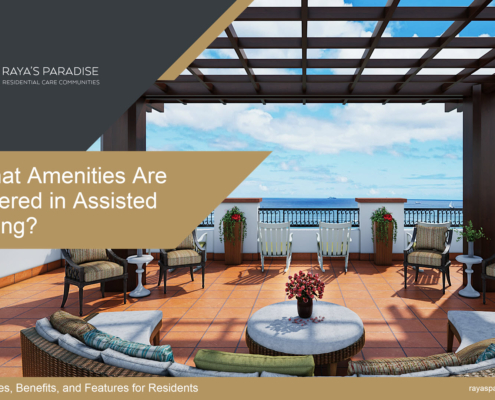 https://rayasparadise.com/wp-content/uploads/2025/08/What-Amenities-Are-Offered-In-Assisted-Living.jpg
1080
1621
Raya's Paradise
https://rayasparadise.com//wp-content/uploads/2019/07/RP-LOGO-Horizontal-Name-Only-websitetrans.png
Raya's Paradise2025-08-27 16:58:562025-10-22 19:10:12What Amenities Are Offered in Assisted Living? Services, Benefits, and Features for Residents
https://rayasparadise.com/wp-content/uploads/2025/08/What-Amenities-Are-Offered-In-Assisted-Living.jpg
1080
1621
Raya's Paradise
https://rayasparadise.com//wp-content/uploads/2019/07/RP-LOGO-Horizontal-Name-Only-websitetrans.png
Raya's Paradise2025-08-27 16:58:562025-10-22 19:10:12What Amenities Are Offered in Assisted Living? Services, Benefits, and Features for Residents
