
Contents
- Coping With Dementia Behavior
- Key Takeaways
- Why dementia behavior changes happen
- What to do in the moment, a simple de-escalation plan
- Common dementia behaviors and respectful responses
- Sundowning and late-day behavior changes
- When behavior changes are sudden, think medical first
- Caregiver mindset and boundaries, how to stay kind without losing yourself
- When home strategies are not enough
- Specialized memory care in Orange County for dementia behaviors
- Sources & Additional Resources
- More Memory Care Resources
- How to Tell When a Loved One with Dementia Is Sick
- Does Computer Use Help with Dementia Symptoms?
- Coping With Dementia Behavior
- Respect for a Senior with Dementia
- Why Dementia Patients Have Trouble with Eating
- Exercises for the Later Stages of Dementia
- Addressing Agitation in Someone Who Has Dementia
- All About Lewy Body Dementia
- Exercise Benefits for Dementia Patients - Safe Activities, Routines, and Memory Care Support
- Giving Dignity to Dementia Patients
- Simple diagnostic tool predicts individual risk of Alzheimer's
- Why Alzheimer's Patients Become Agitated
- Dementia vs. Ordinary Forgetfulness and Confusion
- What to Expect During Late Stage Alzheimer's
- Helping a Senior with Dementia Remember Medicine
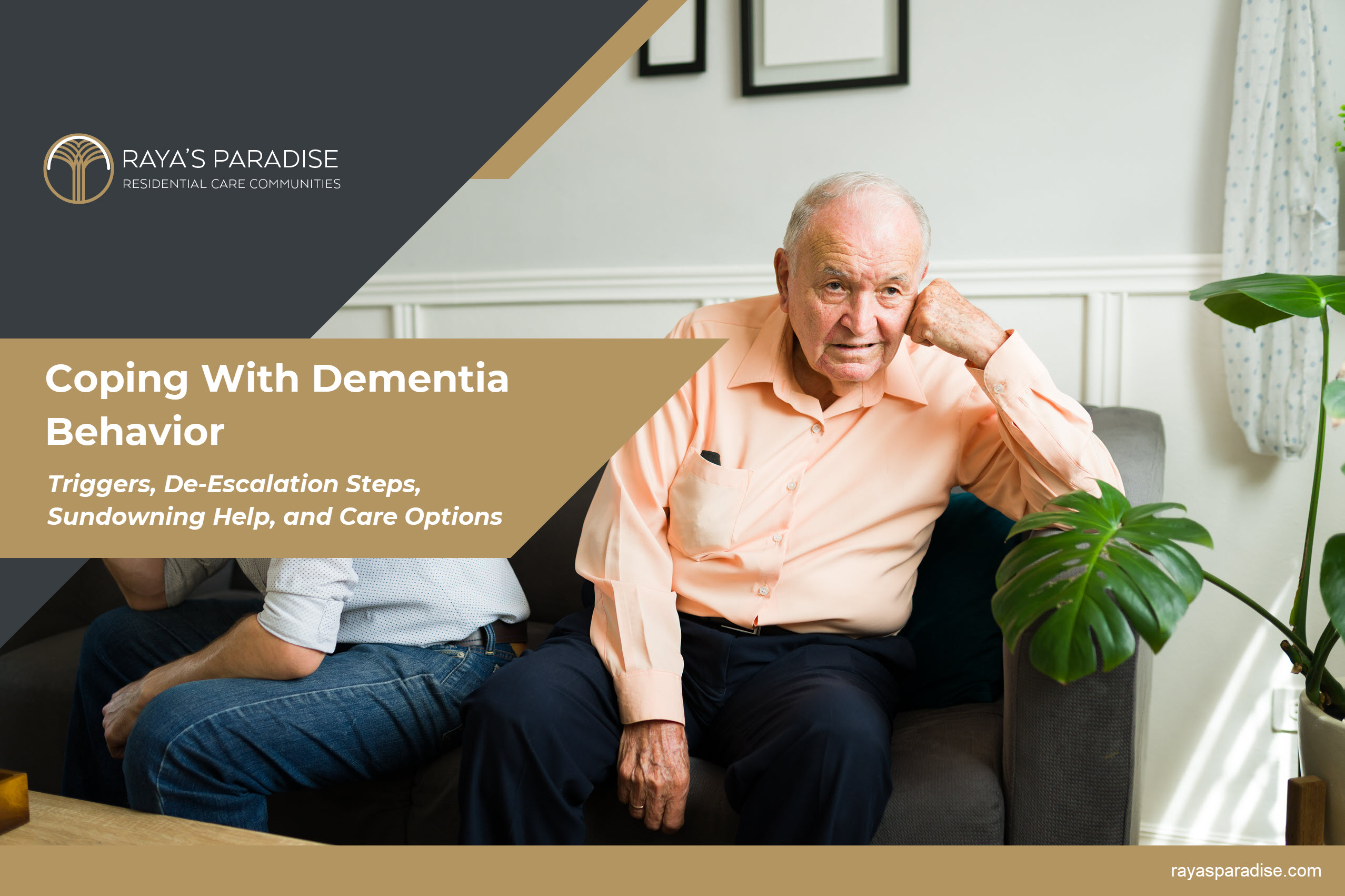
Coping With Dementia Behavior
Triggers, De-Escalation Steps, Sundowning Help, and Care Options
Dementia can be one of the hardest conditions to live alongside because it changes the way a person thinks, feels, and reacts to the world. A loved one who was once calm and logical may become suspicious, impulsive, anxious, or angry. They may repeat questions, refuse help, accuse family members, wander, or act like a stranger in their own home. When that happens, families often ask the same heartbreaking question. Is this who they are now?
Most of the time, the answer is no. Dementia behaviors are often communication. The brain is struggling to interpret a situation, and the body reacts with stress. Your job is not to win the argument or force insight. Your job is to lower fear, meet the need underneath the behavior, and keep everyone safe.
If you want to talk through what you are seeing or speak with a senior care expert in Orange County, get started at memory care in Orange County and our broader memory care services. If your loved one is earlier stage and needs daily help plus structure, review assisted living in Orange County and our full assisted living services. To see locations, visit our communities page.
Key Takeaways
- Behavior changes in dementia are often triggered by unmet needs, pain, fear, overstimulation, confusion, fatigue, or routine disruption.
- In the moment, calm tone and slower pacing usually work better than explaining, correcting, or arguing.
- Patterns matter. Time of day, lighting, noise, task demands, hunger, toileting needs, and medication changes often predict flare-ups.
- Non-medication strategies are the foundation for most dementia behavior support at home and in memory care settings, with medications considered by a clinician when symptoms are dangerous or severely distressing.
- Sudden worsening can signal illness or delirium and should be checked by a clinician.
- If behaviors create safety risk or caregiver burnout, more structured support or respite can be the safer plan.

Why dementia behavior changes happen
Dementia affects attention, memory, judgment, impulse control, and the ability to process sensory input. That means normal situations can start to feel threatening or impossible. A shower can feel like an ambush. A crowded living room can feel like chaos. A simple request can feel like a test they are failing.
Most challenging behaviors fall into a few buckets. When you can name the bucket, you can usually find a respectful response.
- Physical discomfort: pain, constipation, urinary urgency, headache, hunger, thirst, fatigue.
- Environmental stress: noise, glare, clutter, crowds, strong smells, confusing layouts.
- Task overload: too many steps, being rushed, embarrassment during toileting or bathing.
- Fear and misinterpretation: not recognizing people, misreading shadows, believing someone is stealing.
- Brain-based changes: difficulty shifting attention, reduced reasoning, reduced emotional regulation.
Two trusted caregiver resources that emphasize triggers, routine, and environment are the National Institute on Aging guidance on coping with agitation, aggression, and sundowning and the Alzheimer’s Association tips for anxiety and agitation.

What to do in the moment, a simple de-escalation plan
When a situation is escalating, your first goal is not logic. It is nervous system safety. Lower the temperature in the room, then look for the cause.
Step 1 – make the environment simpler
- Turn off the TV and reduce background noise.
- Move to a quieter space with fewer people talking.
- Offer a chair, water, or a familiar object.
Step 2 – slow your body and your voice
- Speak more slowly than you think you need to.
- Keep your voice low and steady.
- Give space, do not crowd, and do not block exits.
Step 3 – validate feelings without arguing facts
- “You seem worried. I’m here.”
- “That sounds upsetting. You’re safe.”
- “Let’s take a minute. We can slow down.”
Step 4 – redirect to something doable
- A drink or small snack.
- A short walk or change of scenery.
- Music, photos, folding towels, holding a comfort item.
If agitation is frequent and you want a deeper toolbox with practical scripts, use addressing agitation in someone who has dementia.

Common dementia behaviors and respectful responses
Families often feel calmer once they realize behaviors are predictable categories. Below are common patterns and what tends to help.
Repeating questions and looping
Repetition often means the person is seeking reassurance. They may not remember the answer, but they remember the feeling of safety you create. If this is wearing you down, this guide helps you respond without snapping: answering the same question again and again.
Accusations, suspicion, and paranoia
Accusations are often fear plus memory gaps. Correcting rarely helps. Validate the emotion, offer a simple next step, then redirect. If this is showing up in your home, read accusations and dementia.
Hallucinations and delusions
Hallucinations can be terrifying, and arguing can escalate panic. Focus on safety, calm reassurance, and reducing overstimulation. If you want practical language that tends to work, use how to handle hallucinations and delusions.
Refusing bathing or hygiene help
Refusal is often about embarrassment, cold, fear, or sensory overload. Make it warmer, simplify steps, offer choice, and pause when distress rises. This guide is a strong practical playbook: helping a loved one with Alzheimer’s bathe.
Wandering and getting lost
Wandering is usually not defiance. It can be restlessness, old routines, anxiety, or disorientation. Plan early because wandering risk tends to escalate. Use tips for addressing Alzheimer’s-related wandering as your starting point.
Sundowning and late-day behavior changes
Many families notice a pattern where behavior worsens late afternoon and evening. Fatigue builds, lighting changes, the house gets noisier, and the brain has fewer resources to cope. This is often called sundowning.
Practical moves that help many households include earlier dinner, fewer demands after mid-afternoon, brighter indoor lighting, calming music, and a predictable routine that repeats every day. For a detailed playbook, use 10 tips for handling sundowning syndrome.
When behavior changes are sudden, think medical first
One of the most important caregiver skills is recognizing when a “dementia behavior” might actually be a medical problem. Sudden confusion spikes, new agitation, or a sharp behavior shift can be caused by infection, dehydration, medication changes, constipation, pain, or delirium.
A plain-language overview of why delirium can appear quickly in older adults is available from the Mayo Clinic explanation of delirium symptoms and causes. If your loved one seems off baseline, it is reasonable to ask a clinician to evaluate for medical triggers.
Caregiver mindset and boundaries, how to stay kind without losing yourself
Dementia caregiving can make even the most patient person reactive. That does not mean you are failing. It means you are under sustained stress. The goal is not saint-level calm. The goal is fewer blowups and faster repair.
Two changes that protect your relationship
- Take breaks early: stepping away for five minutes can prevent a two hour crisis.
- Set limits: a clear boundary can reduce resentment and reduce conflict over time.
If you want a gut check on whether stress is becoming burnout, start with signs of caregiver burnout. If you are debating a support group, this guide helps families decide based on fit, not fear: the pros and cons of joining a dementia care support group.
When home strategies are not enough
Behavior becomes a turning point when it creates safety risk, caregiver burnout, or constant crisis. Families often reach out when nights are disrupted, falls increase, wandering risk rises, or care tasks become daily battles.
If you need time to stabilize after a hospitalization or a rough stretch, short-term respite care can provide breathing room while you evaluate longer term options.
Specialized memory care in Orange County for dementia behaviors
When agitation, sundowning, pacing, wandering, accusations, or hallucinations become regular, the setting matters. A specialized memory care environment is built for calm routine, consistent staffing, and dementia-informed redirection. That structure can reduce daily conflict for the person living with dementia and for the caregiver.
If advanced illness is also part of the picture, families often ask how comfort-focused care can be coordinated. You can learn more about supportive coordination through hospice care services.
Next Steps
If you want help sorting triggers, building calmer routines, or deciding what level of support fits best, we are here. Reach out through our contact page, call (949) 420-9898 for Orange County or (310) 289-8834 for Los Angeles, or email Info@RayasParadise.com.
If you prefer to evaluate in person, request a San Clemente tour or schedule a Los Angeles tour.
Our Orange County Specialized Senior Memory Care Community
Our Los Angeles Assisted Living Residences
Sources & Additional Resources
National Institute on Aging guidance on coping with agitation, aggression, and sundowning
Alzheimer’s Association tips for anxiety and agitation triggers and calming strategies
Alzheimer’s Association guidance on aggression and anger in dementia
Mayo Clinic explanation of delirium symptoms, causes, and sudden confusion
Disclaimer: This article is educational and general, not medical advice, diagnosis, or treatment guidance. If behavior changes are sudden, severe, or far outside baseline, contact a qualified clinician to rule out pain, infection, medication side effects, or delirium. If there is immediate danger, a serious fall, severe breathing trouble, chest pain, fainting, or threats of harm, call emergency services.
 https://rayasparadise.com/wp-content/uploads/2013/10/How-to-Tell-When-a-Loved-One-With-Dementia-Is-Sick.jpg
1697
2555
Moti Gamburd
https://rayasparadise.com//wp-content/uploads/2019/07/RP-LOGO-Horizontal-Name-Only-websitetrans.png
Moti Gamburd2026-03-10 12:43:002026-03-18 01:37:19How to Tell When a Loved One with Dementia Is Sick
https://rayasparadise.com/wp-content/uploads/2013/10/How-to-Tell-When-a-Loved-One-With-Dementia-Is-Sick.jpg
1697
2555
Moti Gamburd
https://rayasparadise.com//wp-content/uploads/2019/07/RP-LOGO-Horizontal-Name-Only-websitetrans.png
Moti Gamburd2026-03-10 12:43:002026-03-18 01:37:19How to Tell When a Loved One with Dementia Is Sick https://rayasparadise.com/wp-content/uploads/2013/08/Does-Computer-Use-Help-With-Dementia-Symptoms.jpg
1700
2557
Moti Gamburd
https://rayasparadise.com//wp-content/uploads/2019/07/RP-LOGO-Horizontal-Name-Only-websitetrans.png
Moti Gamburd2026-03-09 06:49:072026-03-18 00:31:00Does Computer Use Help with Dementia Symptoms?
https://rayasparadise.com/wp-content/uploads/2013/08/Does-Computer-Use-Help-With-Dementia-Symptoms.jpg
1700
2557
Moti Gamburd
https://rayasparadise.com//wp-content/uploads/2019/07/RP-LOGO-Horizontal-Name-Only-websitetrans.png
Moti Gamburd2026-03-09 06:49:072026-03-18 00:31:00Does Computer Use Help with Dementia Symptoms? https://rayasparadise.com/wp-content/uploads/2013/02/Coping-With-Dementia-Behavior.jpeg
1702
2555
Moti Gamburd
https://rayasparadise.com//wp-content/uploads/2019/07/RP-LOGO-Horizontal-Name-Only-websitetrans.png
Moti Gamburd2026-03-08 12:16:332026-03-16 16:35:15Coping With Dementia Behavior
https://rayasparadise.com/wp-content/uploads/2013/02/Coping-With-Dementia-Behavior.jpeg
1702
2555
Moti Gamburd
https://rayasparadise.com//wp-content/uploads/2019/07/RP-LOGO-Horizontal-Name-Only-websitetrans.png
Moti Gamburd2026-03-08 12:16:332026-03-16 16:35:15Coping With Dementia Behavior https://rayasparadise.com/wp-content/uploads/2013/09/Respect-for-a-Senior-With-Dementia.jpg
1700
2557
Moti Gamburd
https://rayasparadise.com//wp-content/uploads/2019/07/RP-LOGO-Horizontal-Name-Only-websitetrans.png
Moti Gamburd2026-03-07 03:14:072026-03-16 15:47:50Respect for a Senior with Dementia
https://rayasparadise.com/wp-content/uploads/2013/09/Respect-for-a-Senior-With-Dementia.jpg
1700
2557
Moti Gamburd
https://rayasparadise.com//wp-content/uploads/2019/07/RP-LOGO-Horizontal-Name-Only-websitetrans.png
Moti Gamburd2026-03-07 03:14:072026-03-16 15:47:50Respect for a Senior with Dementia https://rayasparadise.com/wp-content/uploads/2013/08/Why-Dementia-Patients-Have-Trouble-With-Eating.jpeg
1700
2553
Moti Gamburd
https://rayasparadise.com//wp-content/uploads/2019/07/RP-LOGO-Horizontal-Name-Only-websitetrans.png
Moti Gamburd2026-03-05 11:11:482026-03-16 02:07:05Why Dementia Patients Have Trouble with Eating
https://rayasparadise.com/wp-content/uploads/2013/08/Why-Dementia-Patients-Have-Trouble-With-Eating.jpeg
1700
2553
Moti Gamburd
https://rayasparadise.com//wp-content/uploads/2019/07/RP-LOGO-Horizontal-Name-Only-websitetrans.png
Moti Gamburd2026-03-05 11:11:482026-03-16 02:07:05Why Dementia Patients Have Trouble with Eating https://rayasparadise.com/wp-content/uploads/2013/05/Exercises-for-the-Later-Stages-of-Dementia.jpg
1702
2553
Moti Gamburd
https://rayasparadise.com//wp-content/uploads/2019/07/RP-LOGO-Horizontal-Name-Only-websitetrans.png
Moti Gamburd2026-03-04 11:13:202026-03-15 21:09:55Exercises for the Later Stages of Dementia
https://rayasparadise.com/wp-content/uploads/2013/05/Exercises-for-the-Later-Stages-of-Dementia.jpg
1702
2553
Moti Gamburd
https://rayasparadise.com//wp-content/uploads/2019/07/RP-LOGO-Horizontal-Name-Only-websitetrans.png
Moti Gamburd2026-03-04 11:13:202026-03-15 21:09:55Exercises for the Later Stages of Dementia https://rayasparadise.com/wp-content/uploads/2026/03/Addressing-Agitation-in-Dementia.jpg
1700
2548
Moti Gamburd
https://rayasparadise.com//wp-content/uploads/2019/07/RP-LOGO-Horizontal-Name-Only-websitetrans.png
Moti Gamburd2026-03-03 03:47:592026-03-15 19:55:59Addressing Agitation in Someone Who Has Dementia
https://rayasparadise.com/wp-content/uploads/2026/03/Addressing-Agitation-in-Dementia.jpg
1700
2548
Moti Gamburd
https://rayasparadise.com//wp-content/uploads/2019/07/RP-LOGO-Horizontal-Name-Only-websitetrans.png
Moti Gamburd2026-03-03 03:47:592026-03-15 19:55:59Addressing Agitation in Someone Who Has Dementia https://rayasparadise.com/wp-content/uploads/2026/03/All-About-Lewy-Body-Dementia.jpg
1702
2555
Moti Gamburd
https://rayasparadise.com//wp-content/uploads/2019/07/RP-LOGO-Horizontal-Name-Only-websitetrans.png
Moti Gamburd2026-03-02 04:28:062026-03-15 17:53:10All About Lewy Body Dementia
https://rayasparadise.com/wp-content/uploads/2026/03/All-About-Lewy-Body-Dementia.jpg
1702
2555
Moti Gamburd
https://rayasparadise.com//wp-content/uploads/2019/07/RP-LOGO-Horizontal-Name-Only-websitetrans.png
Moti Gamburd2026-03-02 04:28:062026-03-15 17:53:10All About Lewy Body Dementia https://rayasparadise.com/wp-content/uploads/2013/05/Exercise-Benefits-for-Dementia-Patients.jpg
1703
2555
Moti Gamburd
https://rayasparadise.com//wp-content/uploads/2019/07/RP-LOGO-Horizontal-Name-Only-websitetrans.png
Moti Gamburd2026-03-01 02:39:032026-03-15 16:50:15Exercise Benefits for Dementia Patients - Safe Activities, Routines, and Memory Care Support
https://rayasparadise.com/wp-content/uploads/2013/05/Exercise-Benefits-for-Dementia-Patients.jpg
1703
2555
Moti Gamburd
https://rayasparadise.com//wp-content/uploads/2019/07/RP-LOGO-Horizontal-Name-Only-websitetrans.png
Moti Gamburd2026-03-01 02:39:032026-03-15 16:50:15Exercise Benefits for Dementia Patients - Safe Activities, Routines, and Memory Care Support https://rayasparadise.com/wp-content/uploads/2013/08/Giving-Dignity-to-Dementia-Patients.jpg
1697
2553
Moti Gamburd
https://rayasparadise.com//wp-content/uploads/2019/07/RP-LOGO-Horizontal-Name-Only-websitetrans.png
Moti Gamburd2026-01-14 04:00:032026-01-15 18:26:55Giving Dignity to Dementia Patients
https://rayasparadise.com/wp-content/uploads/2013/08/Giving-Dignity-to-Dementia-Patients.jpg
1697
2553
Moti Gamburd
https://rayasparadise.com//wp-content/uploads/2019/07/RP-LOGO-Horizontal-Name-Only-websitetrans.png
Moti Gamburd2026-01-14 04:00:032026-01-15 18:26:55Giving Dignity to Dementia Patients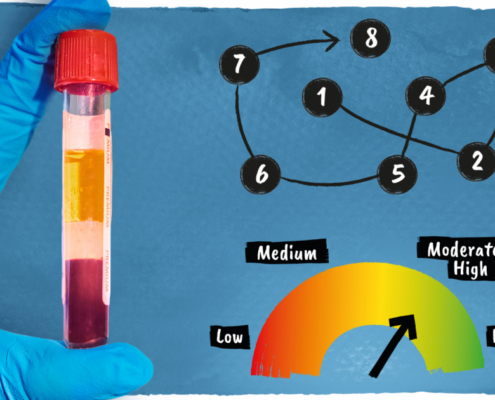 https://rayasparadise.com/wp-content/uploads/2021/05/PM-Image.jpeg
630
1120
Raya's Paradise
https://rayasparadise.com//wp-content/uploads/2019/07/RP-LOGO-Horizontal-Name-Only-websitetrans.png
Raya's Paradise2021-05-28 17:53:412026-01-14 19:13:04Simple diagnostic tool predicts individual risk of Alzheimer's
https://rayasparadise.com/wp-content/uploads/2021/05/PM-Image.jpeg
630
1120
Raya's Paradise
https://rayasparadise.com//wp-content/uploads/2019/07/RP-LOGO-Horizontal-Name-Only-websitetrans.png
Raya's Paradise2021-05-28 17:53:412026-01-14 19:13:04Simple diagnostic tool predicts individual risk of Alzheimer's https://rayasparadise.com/wp-content/uploads/2020/02/Why-Alzheimers-Patients-Become-Agitated.jpg
1378
2179
Raya's Paradise
https://rayasparadise.com//wp-content/uploads/2019/07/RP-LOGO-Horizontal-Name-Only-websitetrans.png
Raya's Paradise2020-02-14 04:00:142026-01-14 19:37:25Why Alzheimer's Patients Become Agitated
https://rayasparadise.com/wp-content/uploads/2020/02/Why-Alzheimers-Patients-Become-Agitated.jpg
1378
2179
Raya's Paradise
https://rayasparadise.com//wp-content/uploads/2019/07/RP-LOGO-Horizontal-Name-Only-websitetrans.png
Raya's Paradise2020-02-14 04:00:142026-01-14 19:37:25Why Alzheimer's Patients Become Agitated https://rayasparadise.com/wp-content/uploads/2020/02/Senior-with-Signs-of-Dementia-scaled.jpg
1708
2560
Raya's Paradise
https://rayasparadise.com//wp-content/uploads/2019/07/RP-LOGO-Horizontal-Name-Only-websitetrans.png
Raya's Paradise2020-02-05 08:25:102026-01-14 19:37:47Dementia vs. Ordinary Forgetfulness and Confusion
https://rayasparadise.com/wp-content/uploads/2020/02/Senior-with-Signs-of-Dementia-scaled.jpg
1708
2560
Raya's Paradise
https://rayasparadise.com//wp-content/uploads/2019/07/RP-LOGO-Horizontal-Name-Only-websitetrans.png
Raya's Paradise2020-02-05 08:25:102026-01-14 19:37:47Dementia vs. Ordinary Forgetfulness and Confusion https://rayasparadise.com/wp-content/uploads/2013/11/What-to-Expect-During-Late-Stage-Alzheimers.jpg
595
951
Raya's Paradise
https://rayasparadise.com//wp-content/uploads/2019/07/RP-LOGO-Horizontal-Name-Only-websitetrans.png
Raya's Paradise2019-11-14 09:37:262026-01-14 19:17:13What to Expect During Late Stage Alzheimer's
https://rayasparadise.com/wp-content/uploads/2013/11/What-to-Expect-During-Late-Stage-Alzheimers.jpg
595
951
Raya's Paradise
https://rayasparadise.com//wp-content/uploads/2019/07/RP-LOGO-Horizontal-Name-Only-websitetrans.png
Raya's Paradise2019-11-14 09:37:262026-01-14 19:17:13What to Expect During Late Stage Alzheimer's https://rayasparadise.com/wp-content/uploads/2019/11/Helping-a-Senior-with-Dementia-Remember-Medication.jpg
1700
2555
Raya's Paradise
https://rayasparadise.com//wp-content/uploads/2019/07/RP-LOGO-Horizontal-Name-Only-websitetrans.png
Raya's Paradise2019-11-05 07:34:402026-01-14 19:38:39Helping a Senior with Dementia Remember Medicine
https://rayasparadise.com/wp-content/uploads/2019/11/Helping-a-Senior-with-Dementia-Remember-Medication.jpg
1700
2555
Raya's Paradise
https://rayasparadise.com//wp-content/uploads/2019/07/RP-LOGO-Horizontal-Name-Only-websitetrans.png
Raya's Paradise2019-11-05 07:34:402026-01-14 19:38:39Helping a Senior with Dementia Remember Medicine
