
Contents
- The Stages of Dementia
- Key Takeaways
- What “stages of dementia” actually means
- The 3 stages of dementia, early, middle, late
- The 7 stages of dementia (GDS), what families see at each stage
- FAST stages, the functional lens families actually need
- What affects dementia progression and why timelines vary
- Care planning by stage, what to focus on now
- When it may be time for memory care or assisted living
- Specialized memory care in Orange County for every stage of dementia
- Our Orange County Specialized Memory Care Facility
- Our Los Angeles Assisted Living Residences
- Sources & Additional Resources
- More Memory Care Resources
- How to Tell When a Loved One with Dementia Is Sick
- Does Computer Use Help with Dementia Symptoms?
- Coping With Dementia Behavior
- Respect for a Senior with Dementia
- Why Dementia Patients Have Trouble with Eating
- Exercises for the Later Stages of Dementia
- Addressing Agitation in Someone Who Has Dementia
- All About Lewy Body Dementia
- Exercise Benefits for Dementia Patients - Safe Activities, Routines, and Memory Care Support
- Giving Dignity to Dementia Patients
- Simple diagnostic tool predicts individual risk of Alzheimer's
- Why Alzheimer's Patients Become Agitated
- Dementia vs. Ordinary Forgetfulness and Confusion
- What to Expect During Late Stage Alzheimer's
- Helping a Senior with Dementia Remember Medicine
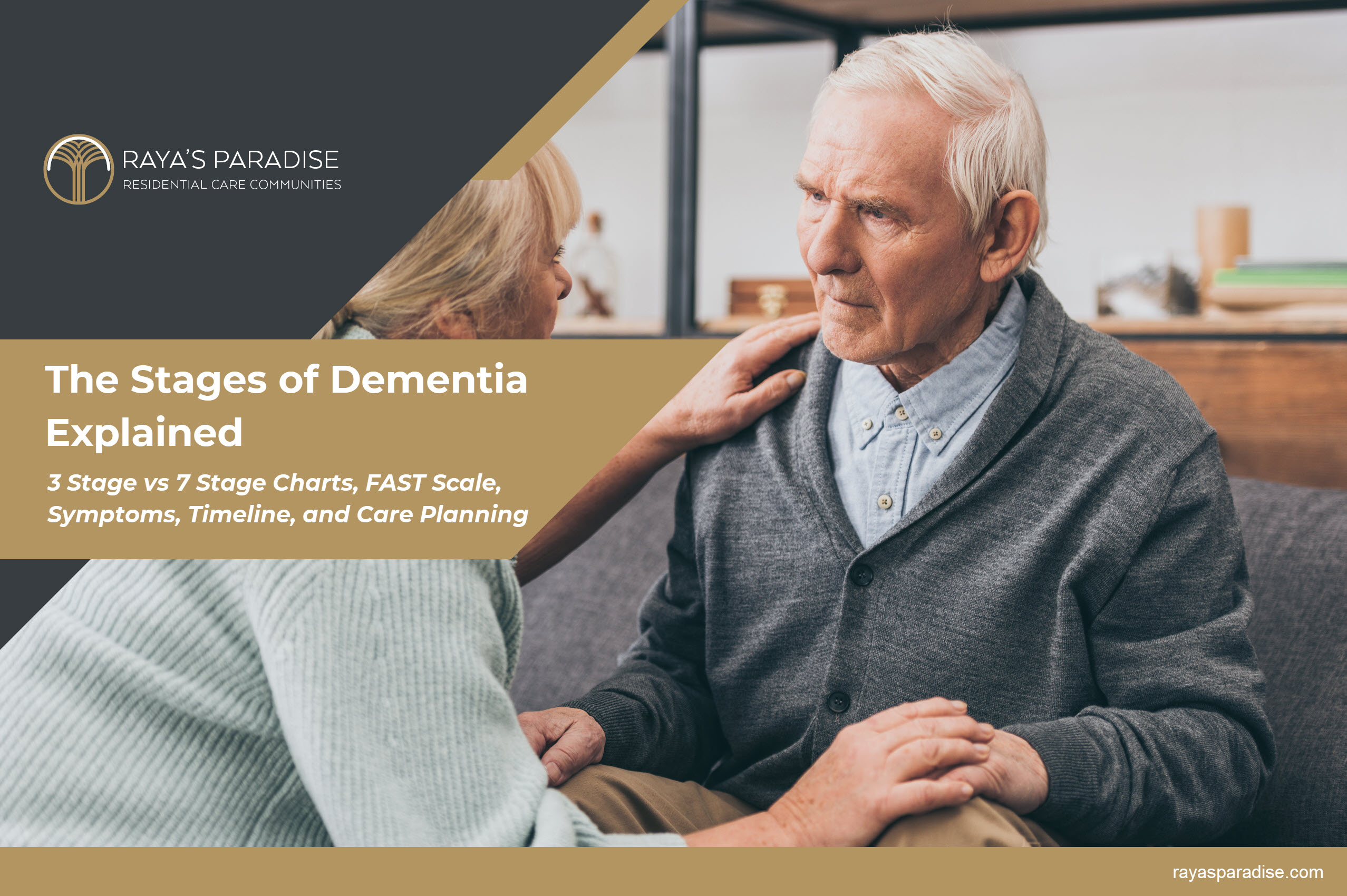
The Stages of Dementia
3 Stage vs 7 Stage Charts, FAST Scale, Symptoms, Timeline, and Care Planning
If you have a loved one living with dementia, one of the most common questions is also the hardest one to answer. What should we expect next. Dementia does progress, but it does not progress like a clean staircase. People can look steady for a while, then change quickly after an illness, a fall, a medication reaction, or a major life stress. Others decline slowly over years. Sudden confusion or behavior shifts can also be delirium or another medical issue and should be evaluated promptly.
This guide is built to be a comprehensive, practical “stages of dementia” resource. It explains the most common staging frameworks, what typically changes at each stage, what is a safety red flag, and when families in Southern California often consider more structured support.
If you are planning ahead with an Orange County focus, start by exploring memory care in Orange County and comparing it with assisted living in Orange County. If you want to talk through timing, reach out through our contact page. If you prefer to evaluate in person, request a San Clemente tour or schedule a Los Angeles tour.
Key Takeaways
- Dementia stages are described using different frameworks. The most common are a 3-stage model (early, middle, late) and a 7-stage model called the Global Deterioration Scale (GDS).
- Another widely used tool is FAST (Functional Assessment Staging), which tracks what help someone needs with daily activities and is often referenced in late-stage planning conversations.
- Many popular staging charts were developed from Alzheimer’s-type progression. Other dementias can progress differently, so stage labels should be treated as planning tools, not a diagnosis or a timeline.
- Stage labels are guides, not predictions. Progression varies widely by dementia type, health conditions, and life events.
- The most useful way to plan is to track functional changes, safety risks, and caregiver strain, not only memory scores.
- If wandering, falls, unsafe medication use, nighttime disruption, severe agitation, or caregiver burnout becomes frequent, more structured support may be safer.

What “stages of dementia” actually means
People use the word “stages” in three different ways, and that is why families get confused. Some pages describe stages as “mild, moderate, severe.” Others use the seven-stage chart. Others talk in terms of what help is needed for activities of daily living (ADLs) like dressing and toileting.
Also important, and easy to miss. Many popular staging charts were developed from Alzheimer’s-type progression and primary degenerative dementia patterns. Other dementias can progress differently, for example Lewy body dementia can feature fluctuations and hallucinations earlier, frontotemporal dementia can begin with behavior or language changes. Stage labels should be treated as planning tools, not a diagnosis or a timeline.
- 3 stages: early, middle, late. This is the most common public explanation, and it focuses on symptom severity and independence.
- 7 stages (GDS): the Global Deterioration Scale (GDS) describes cognitive decline from no impairment to severe decline. The scale is commonly attributed to Dr. Barry Reisberg and colleagues, and is widely reproduced in clinical references and guidelines.
- FAST: the Functional Assessment Staging Tool (FAST) tracks functional losses like dressing, toileting, and walking. FAST is widely used as a functional planning tool and is referenced in late-stage care discussions, including hospice eligibility conversations, along with other clinical factors.
All three frameworks are trying to answer the same practical questions. What changes next. What help is needed. What risks increase. What plan prevents crises.
For most families, the most helpful approach is to combine the cognitive view and the functional view. In other words, how is thinking changing, and what does that mean for daily safety, supervision, and care routines.
If you want a plain-language foundation before diving into stage charts, start with what you need to know about dementia.

The 3 stages of dementia, early, middle, late
Early stage (mild dementia)
In early stage dementia, the person often still looks like themselves to casual friends. The differences show up in complex life tasks, short-term memory, and decision-making. Families commonly notice:
- Repeating questions, misplacing items, and forgetting recent conversations
- Difficulty with planning, finances, medication routines, cooking, or driving decisions
- Word-finding problems and reduced ability to follow complex conversations
- Increased anxiety, irritability, or withdrawal, often tied to frustration or reduced confidence
- More reliance on notes, reminders, and familiar routines to “hold the day together”
Early stage is the best time to plan because the person often has more ability to participate in decisions. Common priorities include organizing legal and financial paperwork, clarifying who will manage medications and appointments, and making simple home safety upgrades. If your family is struggling to tell what is normal aging versus cognitive decline, this is a helpful bridge: dementia vs ordinary forgetfulness and confusion.
Middle stage (moderate dementia)
Middle stage is often the longest stage for many people, but length varies widely by person and dementia type. The workload usually intensifies here. The person often needs daily support and closer supervision. Common changes include:
- Greater confusion about time and place, and getting lost even in familiar settings
- More visible language difficulties, trouble understanding instructions, and reduced attention
- Help needed with dressing, bathing, toileting prompts, and safer eating routines
- Behavior changes like agitation, suspicion, sleep disruption, and sundowning patterns
- Reduced safety judgment, including stove risk, medication errors, and unsafe wandering
Wandering and falls are two of the most common middle-stage crisis drivers, along with medication errors and acute illness that can trigger delirium and sudden decline. If wandering is becoming a risk, use this guide to plan ahead: tips for addressing Alzheimer’s-related wandering.
If your family is deciding between care options during this stage, this overview can help you choose based on support level, not labels: the different types of senior care and how to choose the best option.
Late stage (severe dementia)
Late stage dementia is primarily defined by loss of physical function and near-total dependence. Communication becomes limited. Mobility often declines. Swallowing changes can appear and should be evaluated by a clinician rather than assumed. People may need hands-on help with:
- Eating and drinking, sometimes with swallowing safety concerns
- Transfers, walking, and eventually sitting upright safely
- Toileting and continence care
- Comfort care, skin protection, and preventing complications from immobility
- Frequent reassurance and calm cueing because distress can show up without clear language
In late stage, care planning often shifts from independence goals to comfort, safety, and preventing avoidable crises. If you want a specific expectation guide, this is helpful for many families: what to expect during late-stage Alzheimer’s.

The 7 stages of dementia (GDS), what families see at each stage
The Global Deterioration Scale is widely referenced online because it provides a simple 1 through 7 progression. It is commonly associated with the Alzheimer’s-type progression that many families recognize, and it is often reproduced in clinical guidelines and dementia education resources.
Important nuance for SEO and real life. Many “7 stages of dementia” pages are describing Alzheimer’s-type progression. Other dementias can look different, especially Lewy body dementia and frontotemporal dementia. Still, the GDS can help families organize what they are seeing when you treat it as a planning tool, not a promise.
Stage 1 – no impairment noticed
No symptoms are noticeable in daily life. Family members do not observe consistent memory or thinking problems.
Stage 2 – very mild cognitive changes
Occasional forgetfulness, losing items, forgetting names, or feeling slower with word recall. This stage overlaps with typical aging, which is why clinicians look for consistency, pattern, and functional impact.
Stage 3 – mild decline that others may notice
Friends or coworkers may see changes. Trouble remembering new information, getting lost, struggling with complex tasks, and difficulty with work performance or social planning can appear. This is often where families start using the phrase mild cognitive impairment or early dementia, depending on the evaluation.
Stage 4 – moderate decline
Clear impairment. Difficulty managing finances, planning, mental math, and multi-step tasks. The person may forget aspects of recent life events, show reduced concentration, and become more withdrawn or defensive. At this stage, safety and support planning becomes more urgent because judgment and insight often decline.
Stage 5 – moderately severe decline
Needs help with daily life. Often confused about time and place, may not remember key personal information consistently, and can dress inappropriately without guidance. Families may notice increasing dependence for medication management, meal routines, and day structure, even if the person can still perform some tasks with cueing.
Stage 6 – severe decline
Significant assistance needed. Sleep disruption, wandering risk, toileting support, and personality or behavior changes may intensify. The person may forget the names of close family members, become suspicious or fearful, and experience delusions. Caregiving often becomes physically and emotionally demanding because the person may resist help even when they need it. If agitation is becoming frequent, this guide provides practical de-escalation tools: addressing agitation in someone who has dementia.
Stage 7 – very severe decline
Dependence is near total. Speech becomes limited. Walking is often lost. Eating may require full assistance. Swallowing safety can become a concern and should be evaluated clinically. Comfort, dignity, and preventing complications from immobility become the priority. Care needs often exceed what one person can safely provide at home without significant support.
FAST stages, the functional lens families actually need
Families often tell us the GDS is interesting, but FAST is the tool that helps them plan staffing, supervision, and the real question they are afraid to ask. Can we still do this at home? FAST focuses on what a person can do, not only what they remember.
FAST is especially useful because it mirrors how caregivers experience progression. It tracks losses in instrumental activities of daily living (IADLs) and then basic ADLs. Think of IADLs as complex life tasks, and ADLs as core personal care tasks.
How FAST helps you plan, the practical translation
- Early functional change: difficulty managing finances, medication schedules, driving, cooking, and appointments. Even when memory loss seems mild, IADL breakdown is often the first real “care load” marker.
- Mid progression: dressing choices become unsafe or mismatched, bathing becomes stressful, toileting prompts become necessary, and supervision needs rise because judgment declines.
- Advanced progression: help is needed for transfers, walking, eating, and swallowing safety. Communication becomes limited, and care becomes hands-on and constant.
Families often need clarity on what “needs help” actually means. It can include cueing, hands-on assistance, or full care. FAST is useful because it encourages you to name the level of assistance required, not just the task.
FAST is sometimes referenced in hospice planning conversations. Eligibility depends on a clinician’s determination and additional clinical factors, not a score alone, and criteria can vary by payer and region.
Practical takeaway. If your loved one has reached the point where dressing, toileting, walking, and eating require hands-on support, the stage label matters less than the care reality. You need a plan that protects both the person living with dementia and the caregiver’s body.
What affects dementia progression and why timelines vary
Families deserve honesty here. Two people can have the same diagnosis and very different timelines. Progression can be influenced by dementia type, medical conditions, sleep quality, falls, infections, medication side effects, sensory loss, and social engagement. In some cases, the biggest “stage jump” families notice is after a hospitalization, a major infection, or prolonged sleep disruption.
Common reasons decline seems sudden
- Delirium: sudden confusion triggered by infection, dehydration, pain, or medication changes, which can look like rapid dementia progression
- Falls and head injuries: even without a fracture, a fall can reduce confidence and mobility, then function declines faster
- Medication effects: sedation, dizziness, appetite changes, and worsened balance can change daily function quickly
- Sleep disruption: insomnia and sundowning patterns can intensify confusion and agitation
How to track progression in a way doctors and caregivers can use
If you are tracking changes, keep a simple log for two weeks. Sleep, appetite, falls, confusion spikes, agitation episodes, and how much cueing is needed for daily tasks. Also note triggers, time of day, and new medications. This kind of log is often more useful than trying to guess a date for “Stage 6.”
If your loved one is in the early stage and you want a roadmap for what tends to shift first, this is a helpful companion: the process of Alzheimer’s memory loss.
Care planning by stage, what to focus on now
This is the part most families want, even if they do not say it out loud. Tell me what to do next. Here are stage-based priorities that hold up across most dementia types, including Alzheimer’s disease, vascular dementia, Lewy body dementia, and mixed dementia. (Frontotemporal dementia can require earlier behavior and safety planning even when memory looks less impaired, which is why diagnosis and symptom pattern matter.)
Early stage priorities
- Legal and financial organization, emergency contacts, and a medication management plan
- Driving and safety conversations before a crisis
- Baseline cognitive and functional documentation for future comparisons
- Build routines that support success, consistent meals, consistent sleep, consistent cues
Middle stage priorities
- Home safety upgrades, wandering prevention, fall prevention, supervision scheduling
- Communication strategies and predictable routines to reduce distress
- Caregiver relief and backup plans for illness, travel, and emergencies
- Plan for nutrition and hydration support if eating becomes difficult
Late stage priorities
- Mobility safety, skin protection, swallowing safety, comfort-focused routines
- Coordination with medical teams around infections, pain, and medication tolerances
- Clear goals of care discussions and crisis planning
- Support for caregiver grief, fatigue, and physical strain
If your family is feeling stretched thin, do not wait until you are depleted to ask for support. This gut-check is worth reading: signs of caregiver burnout.
When it may be time for memory care or assisted living
Families often wait too long because they think moving is a failure. In reality, the safest plan is the one that prevents trauma. Consider structured support when one or more of these are happening regularly.
Signs safety needs may have outgrown the home
- Wandering risk that cannot be safely managed at home
- Frequent falls, unsafe transfers, or increasing mobility decline
- Nighttime wake-ups that leave caregivers exhausted and unsafe to function
- Medication errors, refusal, or confusion that creates medical risk
- Agitation, delusions, or fear that escalates into unsafe moments
- Care tasks that require two people, especially bathing, toileting, or transfers
How to choose the right level of support
- In-home support: can work when the person is safe in their environment and needs help with meals, medications, and cueing. If you are considering this route, this guide is helpful: when is it time to hire an in-home caregiver.
- Assisted living: may fit when supervision needs are moderate and the person can accept help, but needs structure and daily support.
- Memory care: tends to fit best when cognitive changes and safety risks are higher, including wandering, significant confusion, frequent agitation, and need for consistent cueing and supervision.
If you need a bridge while you evaluate options after a hospitalization or a rough stretch, consider short-term respite care.
If you are touring options, a structured tour tool helps you avoid missing key details on a stressful day. This printable guide is useful: assisted living facility tour checklist.
Specialized memory care in Orange County for every stage of dementia
Dementia care is not only about supervision. It is about routine, calm cueing, trained redirection, and the environment itself. Many families find that a specialized setting improves quality of life because daily life stops being a series of battles, for the person living with dementia and for the caregiver.
What specialized memory care typically supports
- Structured daily rhythm with predictable meals, activities, and rest
- Staff trained in dementia communication and de-escalation
- Wandering-aware environments and supervision that reduces risk
- Support for eating, hydration, hygiene, and medication routines
- Family communication and care planning as needs change
If you are comparing options, it helps to tour with a checklist and stage-specific questions. This guide can help you evaluate support more confidently: how to choose a memory care facility.
If advanced illness is part of the picture, families often ask how comfort-focused support can be coordinated. You can learn how we work with partners through hospice care services.
Next Steps
If you want help translating stage information into a real care plan, we are here. Call (949) 420-9898 for Orange County or (310) 289-8834 for Los Angeles, or email Info@RayasParadise.com.
Our Orange County Specialized Memory Care Facility
Our Los Angeles Assisted Living Residences
Sources & Additional Resources
Alzheimer’s Association overview of early, middle, and late stages
National Institute on Aging overview of clinical Alzheimer’s stages
Mayo Clinic explanation of how Alzheimer’s symptoms progress
Alzheimer’s Society UK guide to dementia progression
Global Deterioration Scale guideline PDF (handout)
Global Deterioration Scale original publication reference (Reisberg et al., PubMed record)
CMS hospice terminal status LCD that includes FAST staging context (LCD)
Disclaimer: This article is educational and general, not medical advice, diagnosis, or treatment guidance. Sudden or severe changes in confusion or behavior can sometimes be caused by illness, pain, medication side effects, or delirium. Contact a qualified clinician promptly if changes are abrupt or alarming. If there is immediate danger, severe breathing trouble, a serious fall, or threats of harm, call emergency services.
 https://rayasparadise.com/wp-content/uploads/2013/10/How-to-Tell-When-a-Loved-One-With-Dementia-Is-Sick.jpg
1697
2555
Moti Gamburd
https://rayasparadise.com//wp-content/uploads/2019/07/RP-LOGO-Horizontal-Name-Only-websitetrans.png
Moti Gamburd2026-03-10 12:43:002026-03-18 01:37:19How to Tell When a Loved One with Dementia Is Sick
https://rayasparadise.com/wp-content/uploads/2013/10/How-to-Tell-When-a-Loved-One-With-Dementia-Is-Sick.jpg
1697
2555
Moti Gamburd
https://rayasparadise.com//wp-content/uploads/2019/07/RP-LOGO-Horizontal-Name-Only-websitetrans.png
Moti Gamburd2026-03-10 12:43:002026-03-18 01:37:19How to Tell When a Loved One with Dementia Is Sick https://rayasparadise.com/wp-content/uploads/2013/08/Does-Computer-Use-Help-With-Dementia-Symptoms.jpg
1700
2557
Moti Gamburd
https://rayasparadise.com//wp-content/uploads/2019/07/RP-LOGO-Horizontal-Name-Only-websitetrans.png
Moti Gamburd2026-03-09 06:49:072026-03-18 00:31:00Does Computer Use Help with Dementia Symptoms?
https://rayasparadise.com/wp-content/uploads/2013/08/Does-Computer-Use-Help-With-Dementia-Symptoms.jpg
1700
2557
Moti Gamburd
https://rayasparadise.com//wp-content/uploads/2019/07/RP-LOGO-Horizontal-Name-Only-websitetrans.png
Moti Gamburd2026-03-09 06:49:072026-03-18 00:31:00Does Computer Use Help with Dementia Symptoms? https://rayasparadise.com/wp-content/uploads/2013/02/Coping-With-Dementia-Behavior.jpeg
1702
2555
Moti Gamburd
https://rayasparadise.com//wp-content/uploads/2019/07/RP-LOGO-Horizontal-Name-Only-websitetrans.png
Moti Gamburd2026-03-08 12:16:332026-03-16 16:35:15Coping With Dementia Behavior
https://rayasparadise.com/wp-content/uploads/2013/02/Coping-With-Dementia-Behavior.jpeg
1702
2555
Moti Gamburd
https://rayasparadise.com//wp-content/uploads/2019/07/RP-LOGO-Horizontal-Name-Only-websitetrans.png
Moti Gamburd2026-03-08 12:16:332026-03-16 16:35:15Coping With Dementia Behavior https://rayasparadise.com/wp-content/uploads/2013/09/Respect-for-a-Senior-With-Dementia.jpg
1700
2557
Moti Gamburd
https://rayasparadise.com//wp-content/uploads/2019/07/RP-LOGO-Horizontal-Name-Only-websitetrans.png
Moti Gamburd2026-03-07 03:14:072026-03-16 15:47:50Respect for a Senior with Dementia
https://rayasparadise.com/wp-content/uploads/2013/09/Respect-for-a-Senior-With-Dementia.jpg
1700
2557
Moti Gamburd
https://rayasparadise.com//wp-content/uploads/2019/07/RP-LOGO-Horizontal-Name-Only-websitetrans.png
Moti Gamburd2026-03-07 03:14:072026-03-16 15:47:50Respect for a Senior with Dementia https://rayasparadise.com/wp-content/uploads/2013/08/Why-Dementia-Patients-Have-Trouble-With-Eating.jpeg
1700
2553
Moti Gamburd
https://rayasparadise.com//wp-content/uploads/2019/07/RP-LOGO-Horizontal-Name-Only-websitetrans.png
Moti Gamburd2026-03-05 11:11:482026-03-16 02:07:05Why Dementia Patients Have Trouble with Eating
https://rayasparadise.com/wp-content/uploads/2013/08/Why-Dementia-Patients-Have-Trouble-With-Eating.jpeg
1700
2553
Moti Gamburd
https://rayasparadise.com//wp-content/uploads/2019/07/RP-LOGO-Horizontal-Name-Only-websitetrans.png
Moti Gamburd2026-03-05 11:11:482026-03-16 02:07:05Why Dementia Patients Have Trouble with Eating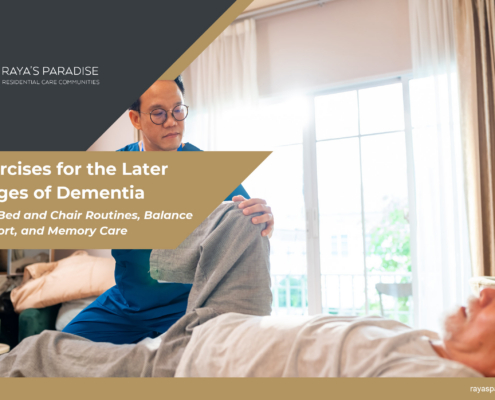 https://rayasparadise.com/wp-content/uploads/2013/05/Exercises-for-the-Later-Stages-of-Dementia.jpg
1702
2553
Moti Gamburd
https://rayasparadise.com//wp-content/uploads/2019/07/RP-LOGO-Horizontal-Name-Only-websitetrans.png
Moti Gamburd2026-03-04 11:13:202026-03-15 21:09:55Exercises for the Later Stages of Dementia
https://rayasparadise.com/wp-content/uploads/2013/05/Exercises-for-the-Later-Stages-of-Dementia.jpg
1702
2553
Moti Gamburd
https://rayasparadise.com//wp-content/uploads/2019/07/RP-LOGO-Horizontal-Name-Only-websitetrans.png
Moti Gamburd2026-03-04 11:13:202026-03-15 21:09:55Exercises for the Later Stages of Dementia https://rayasparadise.com/wp-content/uploads/2026/03/Addressing-Agitation-in-Dementia.jpg
1700
2548
Moti Gamburd
https://rayasparadise.com//wp-content/uploads/2019/07/RP-LOGO-Horizontal-Name-Only-websitetrans.png
Moti Gamburd2026-03-03 03:47:592026-03-15 19:55:59Addressing Agitation in Someone Who Has Dementia
https://rayasparadise.com/wp-content/uploads/2026/03/Addressing-Agitation-in-Dementia.jpg
1700
2548
Moti Gamburd
https://rayasparadise.com//wp-content/uploads/2019/07/RP-LOGO-Horizontal-Name-Only-websitetrans.png
Moti Gamburd2026-03-03 03:47:592026-03-15 19:55:59Addressing Agitation in Someone Who Has Dementia https://rayasparadise.com/wp-content/uploads/2026/03/All-About-Lewy-Body-Dementia.jpg
1702
2555
Moti Gamburd
https://rayasparadise.com//wp-content/uploads/2019/07/RP-LOGO-Horizontal-Name-Only-websitetrans.png
Moti Gamburd2026-03-02 04:28:062026-03-15 17:53:10All About Lewy Body Dementia
https://rayasparadise.com/wp-content/uploads/2026/03/All-About-Lewy-Body-Dementia.jpg
1702
2555
Moti Gamburd
https://rayasparadise.com//wp-content/uploads/2019/07/RP-LOGO-Horizontal-Name-Only-websitetrans.png
Moti Gamburd2026-03-02 04:28:062026-03-15 17:53:10All About Lewy Body Dementia https://rayasparadise.com/wp-content/uploads/2013/05/Exercise-Benefits-for-Dementia-Patients.jpg
1703
2555
Moti Gamburd
https://rayasparadise.com//wp-content/uploads/2019/07/RP-LOGO-Horizontal-Name-Only-websitetrans.png
Moti Gamburd2026-03-01 02:39:032026-03-15 16:50:15Exercise Benefits for Dementia Patients - Safe Activities, Routines, and Memory Care Support
https://rayasparadise.com/wp-content/uploads/2013/05/Exercise-Benefits-for-Dementia-Patients.jpg
1703
2555
Moti Gamburd
https://rayasparadise.com//wp-content/uploads/2019/07/RP-LOGO-Horizontal-Name-Only-websitetrans.png
Moti Gamburd2026-03-01 02:39:032026-03-15 16:50:15Exercise Benefits for Dementia Patients - Safe Activities, Routines, and Memory Care Support https://rayasparadise.com/wp-content/uploads/2013/08/Giving-Dignity-to-Dementia-Patients.jpg
1697
2553
Moti Gamburd
https://rayasparadise.com//wp-content/uploads/2019/07/RP-LOGO-Horizontal-Name-Only-websitetrans.png
Moti Gamburd2026-01-14 04:00:032026-01-15 18:26:55Giving Dignity to Dementia Patients
https://rayasparadise.com/wp-content/uploads/2013/08/Giving-Dignity-to-Dementia-Patients.jpg
1697
2553
Moti Gamburd
https://rayasparadise.com//wp-content/uploads/2019/07/RP-LOGO-Horizontal-Name-Only-websitetrans.png
Moti Gamburd2026-01-14 04:00:032026-01-15 18:26:55Giving Dignity to Dementia Patients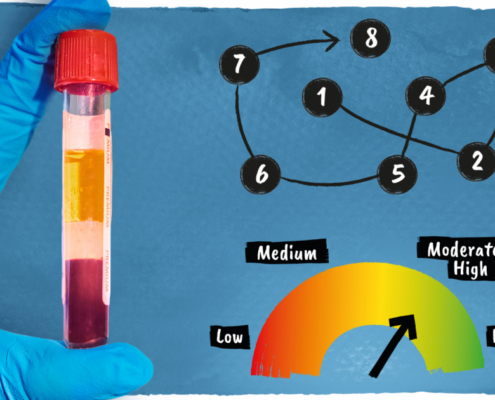 https://rayasparadise.com/wp-content/uploads/2021/05/PM-Image.jpeg
630
1120
Raya's Paradise
https://rayasparadise.com//wp-content/uploads/2019/07/RP-LOGO-Horizontal-Name-Only-websitetrans.png
Raya's Paradise2021-05-28 17:53:412026-01-14 19:13:04Simple diagnostic tool predicts individual risk of Alzheimer's
https://rayasparadise.com/wp-content/uploads/2021/05/PM-Image.jpeg
630
1120
Raya's Paradise
https://rayasparadise.com//wp-content/uploads/2019/07/RP-LOGO-Horizontal-Name-Only-websitetrans.png
Raya's Paradise2021-05-28 17:53:412026-01-14 19:13:04Simple diagnostic tool predicts individual risk of Alzheimer's https://rayasparadise.com/wp-content/uploads/2020/02/Why-Alzheimers-Patients-Become-Agitated.jpg
1378
2179
Raya's Paradise
https://rayasparadise.com//wp-content/uploads/2019/07/RP-LOGO-Horizontal-Name-Only-websitetrans.png
Raya's Paradise2020-02-14 04:00:142026-01-14 19:37:25Why Alzheimer's Patients Become Agitated
https://rayasparadise.com/wp-content/uploads/2020/02/Why-Alzheimers-Patients-Become-Agitated.jpg
1378
2179
Raya's Paradise
https://rayasparadise.com//wp-content/uploads/2019/07/RP-LOGO-Horizontal-Name-Only-websitetrans.png
Raya's Paradise2020-02-14 04:00:142026-01-14 19:37:25Why Alzheimer's Patients Become Agitated https://rayasparadise.com/wp-content/uploads/2020/02/Senior-with-Signs-of-Dementia-scaled.jpg
1708
2560
Raya's Paradise
https://rayasparadise.com//wp-content/uploads/2019/07/RP-LOGO-Horizontal-Name-Only-websitetrans.png
Raya's Paradise2020-02-05 08:25:102026-01-14 19:37:47Dementia vs. Ordinary Forgetfulness and Confusion
https://rayasparadise.com/wp-content/uploads/2020/02/Senior-with-Signs-of-Dementia-scaled.jpg
1708
2560
Raya's Paradise
https://rayasparadise.com//wp-content/uploads/2019/07/RP-LOGO-Horizontal-Name-Only-websitetrans.png
Raya's Paradise2020-02-05 08:25:102026-01-14 19:37:47Dementia vs. Ordinary Forgetfulness and Confusion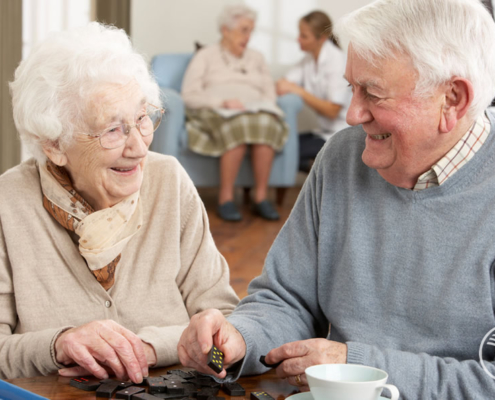 https://rayasparadise.com/wp-content/uploads/2013/11/What-to-Expect-During-Late-Stage-Alzheimers.jpg
595
951
Raya's Paradise
https://rayasparadise.com//wp-content/uploads/2019/07/RP-LOGO-Horizontal-Name-Only-websitetrans.png
Raya's Paradise2019-11-14 09:37:262026-01-14 19:17:13What to Expect During Late Stage Alzheimer's
https://rayasparadise.com/wp-content/uploads/2013/11/What-to-Expect-During-Late-Stage-Alzheimers.jpg
595
951
Raya's Paradise
https://rayasparadise.com//wp-content/uploads/2019/07/RP-LOGO-Horizontal-Name-Only-websitetrans.png
Raya's Paradise2019-11-14 09:37:262026-01-14 19:17:13What to Expect During Late Stage Alzheimer's https://rayasparadise.com/wp-content/uploads/2019/11/Helping-a-Senior-with-Dementia-Remember-Medication.jpg
1700
2555
Raya's Paradise
https://rayasparadise.com//wp-content/uploads/2019/07/RP-LOGO-Horizontal-Name-Only-websitetrans.png
Raya's Paradise2019-11-05 07:34:402026-01-14 19:38:39Helping a Senior with Dementia Remember Medicine
https://rayasparadise.com/wp-content/uploads/2019/11/Helping-a-Senior-with-Dementia-Remember-Medication.jpg
1700
2555
Raya's Paradise
https://rayasparadise.com//wp-content/uploads/2019/07/RP-LOGO-Horizontal-Name-Only-websitetrans.png
Raya's Paradise2019-11-05 07:34:402026-01-14 19:38:39Helping a Senior with Dementia Remember Medicine